Asti DOCG
(d.o.c.g. D.P.R. 28/11/1993 – d.o.c. D.P.R. 09/07/1967)
Moscato d’Asti and Asti spumante, although they are part of the same DOCG and both derive from the Moscato Bianco grape, are two different wines: the first is not a sparkling wine, while the second is. Sometimes they are confused.
Muscat has always been the grape for the wine of parties and convivial occasions, adapting very well to the end of a meal in combination with desserts.
From this noble and ancient vine, two wines are obtained today: Asti (the sparkling version) and Moscato d‘Asti (the still version), both Docg.
When released for consumption, Asti must meet the following characteristics:
Foam
Fine and persistent.
Limpidity
Brilliant.
Colour
From straw yellow to soft golden.
Bouquet
Characteristic, incisive and delicate.
Flavour
Scented, characteristic and delicately sweet; well balanced.
Minimum total alcohol content by volume: 12%, of which 7 to 9.5% originated from fermentation;
Minimum total acidity: 5‰;
Minimum sugar-free extract: 17 g/litre.
Texts taken from “Albo Vigneti 2009” of the Cuneo Chamber of Commerce
Vines
Appellation
Color
Type
Min. alcohol
Variants
Established on
Towns where it's produced


Asti DOCG: Vines
The Asti DOCG is a single varietal wine, and therefore can be made exclusively by Moscato grapes
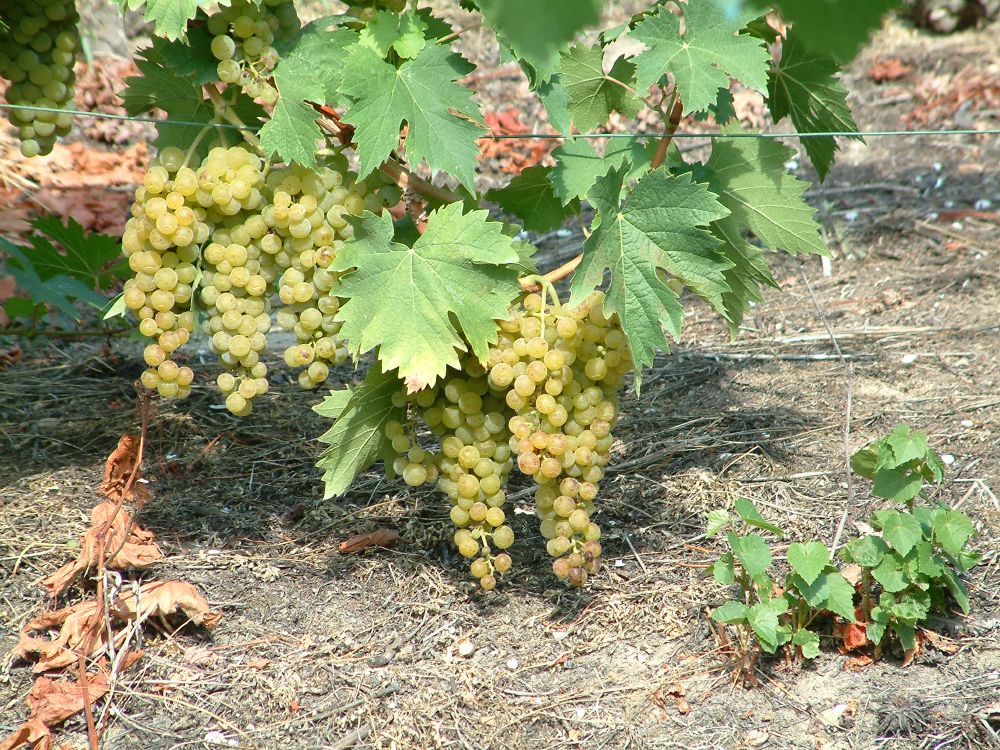
It is a fairly vigorous and prefers marly soil with plenty of limestone, interspersed with banks of sand and sandstone. It is prone to mildew infection and ripens in mid September. The bunch is fairly compact, and cylinder or cone shaped. The grapes are round, with a golden colour that can become amber when they are exposed to the sun. you can read more about Moscato here.
Recipes to pair with Asti DOCG
-
![]()
-

-

-

Hazelnut cake with Moscato d’Asti and zabaglione
- Preparation:
- a few minutes to cook the zabaglione
- Cooking:
- 30m to cook the pie


Meet the producers