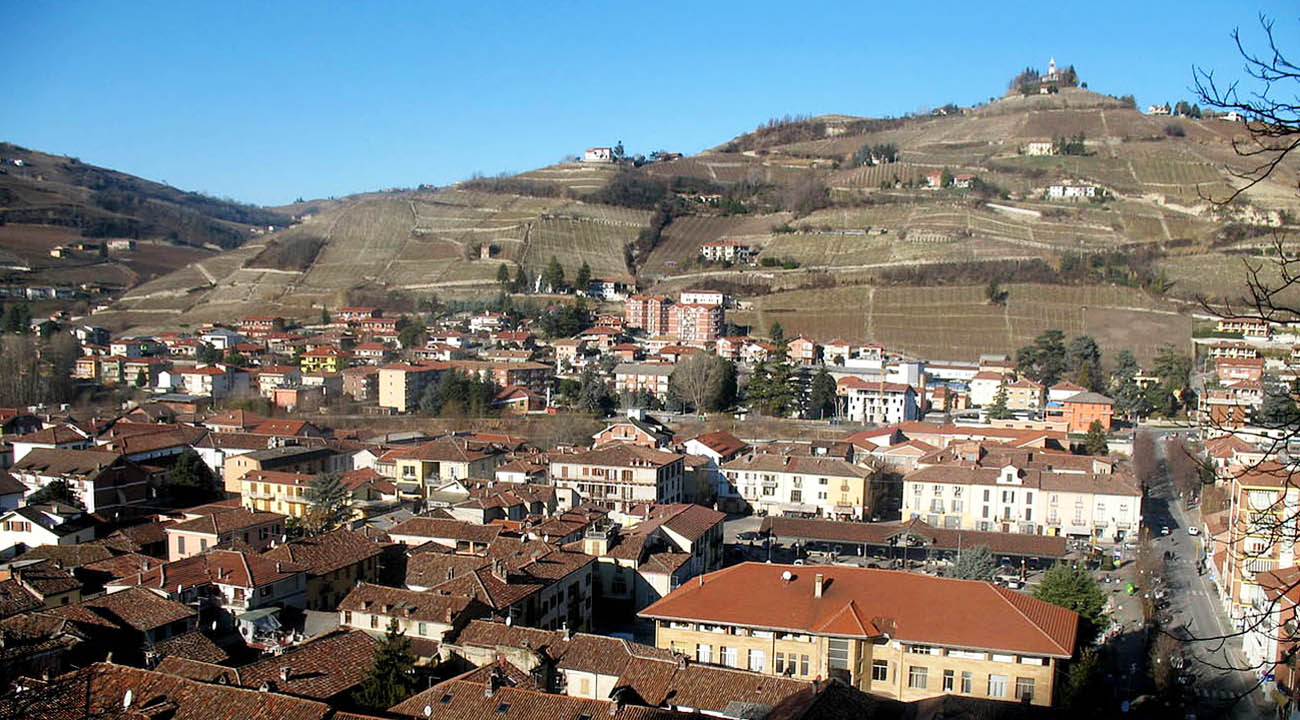
Santo Stefano Belbo
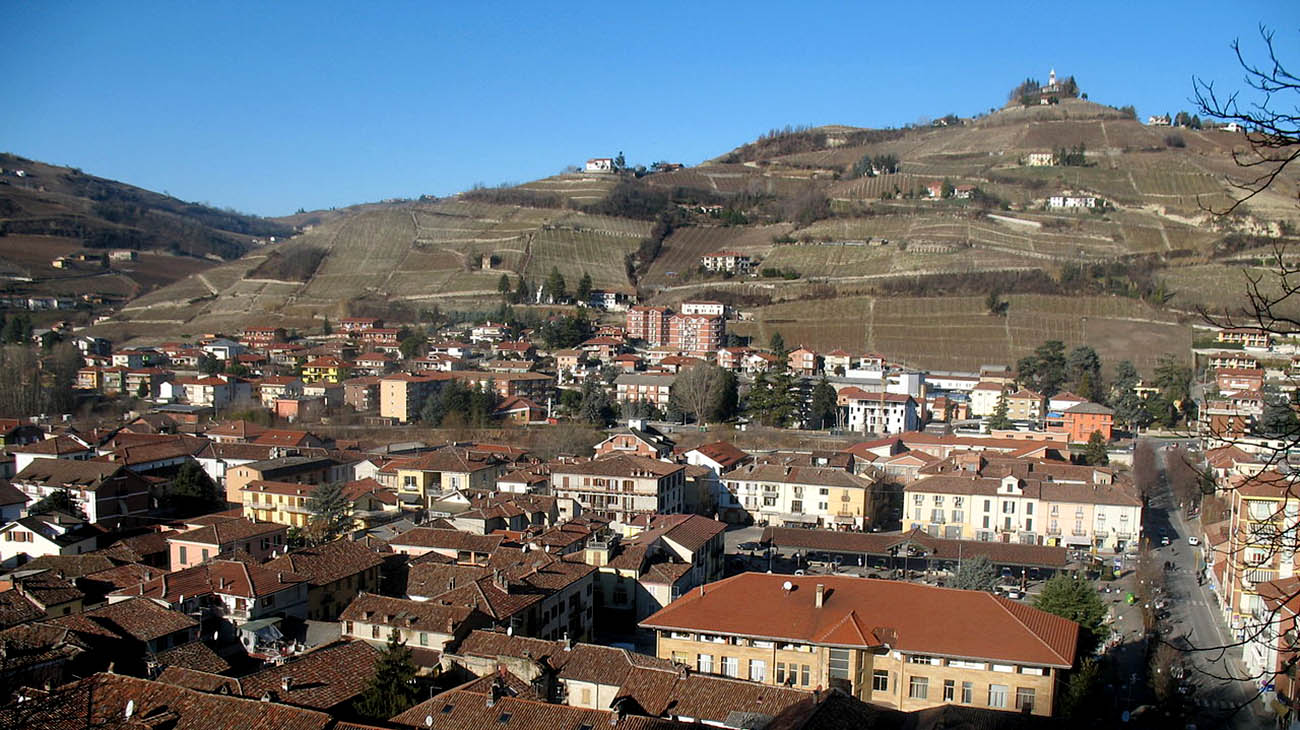
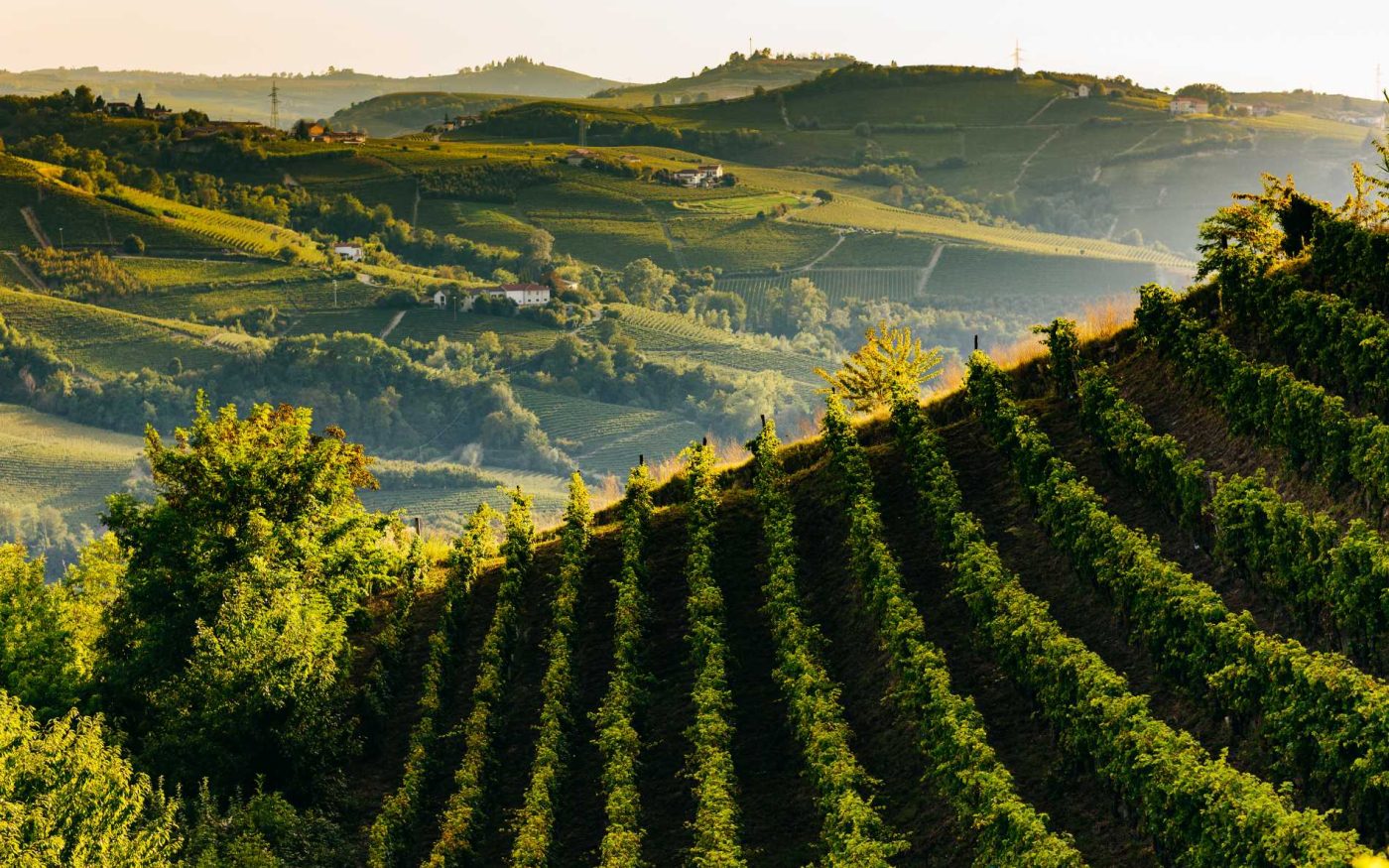
The territory of Santo Stefano Belbo, covering just over 23 square kilometres, lies on the edge of the Langhe, across a predominantly hilly landscape, with the exception of the floodplain formed by the Belbo stream. The municipal territory also includes Camo, an ancient municipality located on the top of a hill and incorporated into the municipality of Santo Stefano Belbo in 2019.
The hilly areas are composed of limestone marl and sandstone, while the valley floor consists of recent alluvial deposits. The village lies at an elevation of 175 metres above sea level, while on both sides of the river the terrain quickly rises, especially on the northern slope, to the higher hills, reaching its highest point at 590 metres in the Falchetto area.
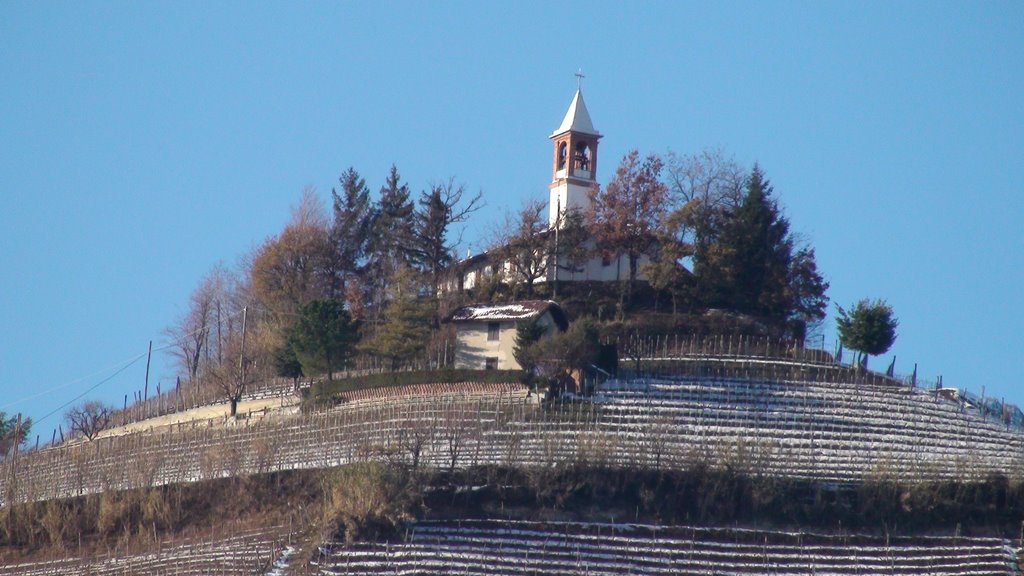
From an artistic and cultural perspective, the imposing remains of the Romanesque Abbey of San Gaudenzio, at the foot of Moncucco Hill, are well worth noting. The building recalls the period when Benedictine monks not only cleared the land to cultivate vines, but also offered hospitality to pilgrims. Also noteworthy is the Sanctuary of Moncucco, dedicated to Our Lady of the Snows.
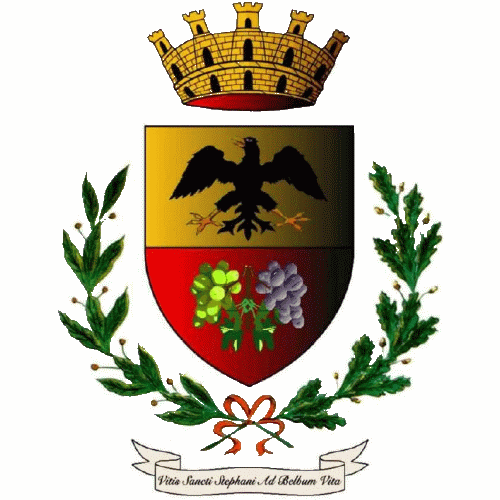
The town’s coat of arms and civic banner reflect the importance of grape cultivation: the vine is depicted as giving life to the town. Santo Stefano Belbo’s most famous native son is Cesare Pavese, whose childhood home now houses an important museum.
Camo
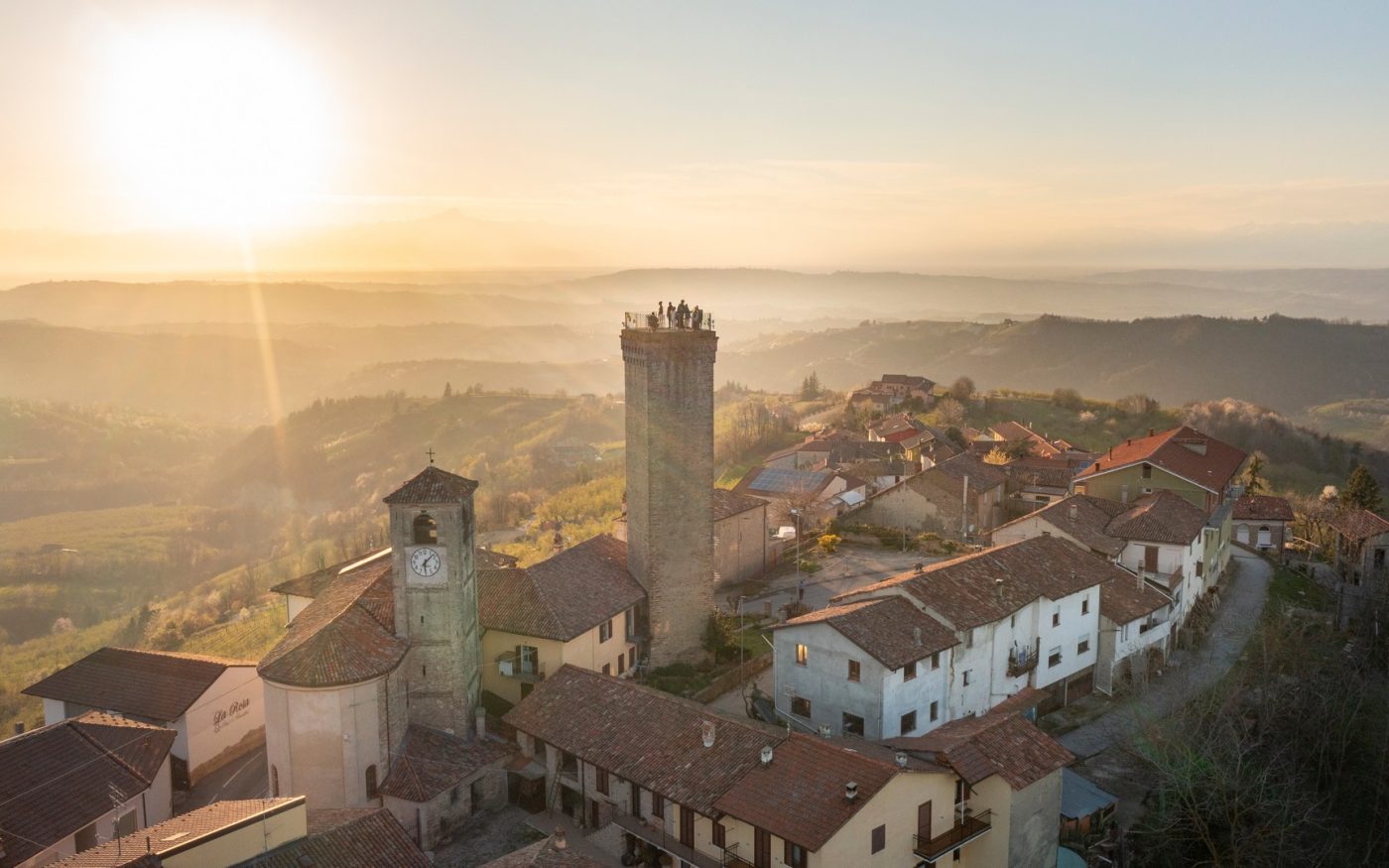
Situated on the top of a hill at an elevation of 471 metres, Camo overlooks the Belbo stream valley from the left, just upstream from Santo Stefano Belbo. From this vantage point, the view stretches 360 degrees across the vineyards covering the surrounding hills and, on clear days, reaches as far as the Alps, dominated by Monte Rosa.
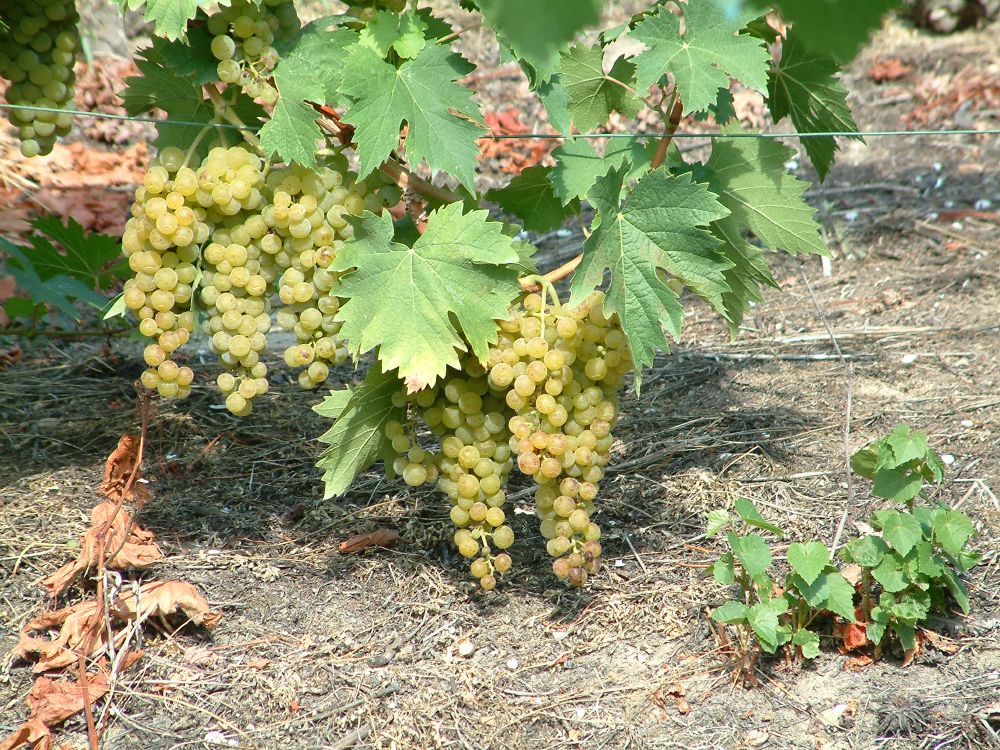
The local economy, traditionally based on agriculture, is closely linked to the cultivation of Moscato grapes, used to produce Asti DOCG and Moscato d’Asti DOCG. Another important part of community life is the traditional patron saint’s festival of San Pietro in Vincoli, held on the first Sunday of August.
A small hilltop village located 5 kilometres from Santo Stefano Belbo, with the parish church of San Pietro in Vincoli and a charitable congregation. Its surroundings are covered with chestnut, oak and pine woods, and the local produce includes wine and fruit. There are also stone quarries supplying stone for flooring and balconies, particularly dark grey sandstone.
Historical notes. — It was anciently owned by Boniface, Marquess of Savona and subsequently by the Del Carretto Marquesses, the municipality of Asti, and the Marquesses of Montferrat, until the Peace of Cherasco gave it to the Dukes of Savoy. It was held as a fief by the Beccaria, the Grattarola, and the Incisa counts of Grognardo.
Electoral Coll. Cuneo III (Alba) — Dioc. Alba — P2 T. in Santo Stefano Belbo.
Gustavo Strafforello
Homeland. Geography of Italy. Province of Cuneo – Volume 1 – Turin, 1891
Our history
The settlement of Santo Stefano Belbo probably dates back to sometime after the year 1000, although a small settlement must have already existed earlier, serving as a strategic outpost at the beginning of the road that wound its way through the Belbo valley. Reliable evidence exists of a settlement dating back to Roman times, when a fortified military post was built along the road connecting Asti and Alba with the towns of the Ligurian Riviera.
More precise details on the construction of the town reach us from the medieval era, with the construction of a castle (castrum) on the hill of S. Libera and a Benedictine monastery (S. Gaudenzio) likely built on the remains of a more ancient temple dedicated to Jupiter. The Benedictine monks deserve the credit for introducing the cultivation of vines to their estates.
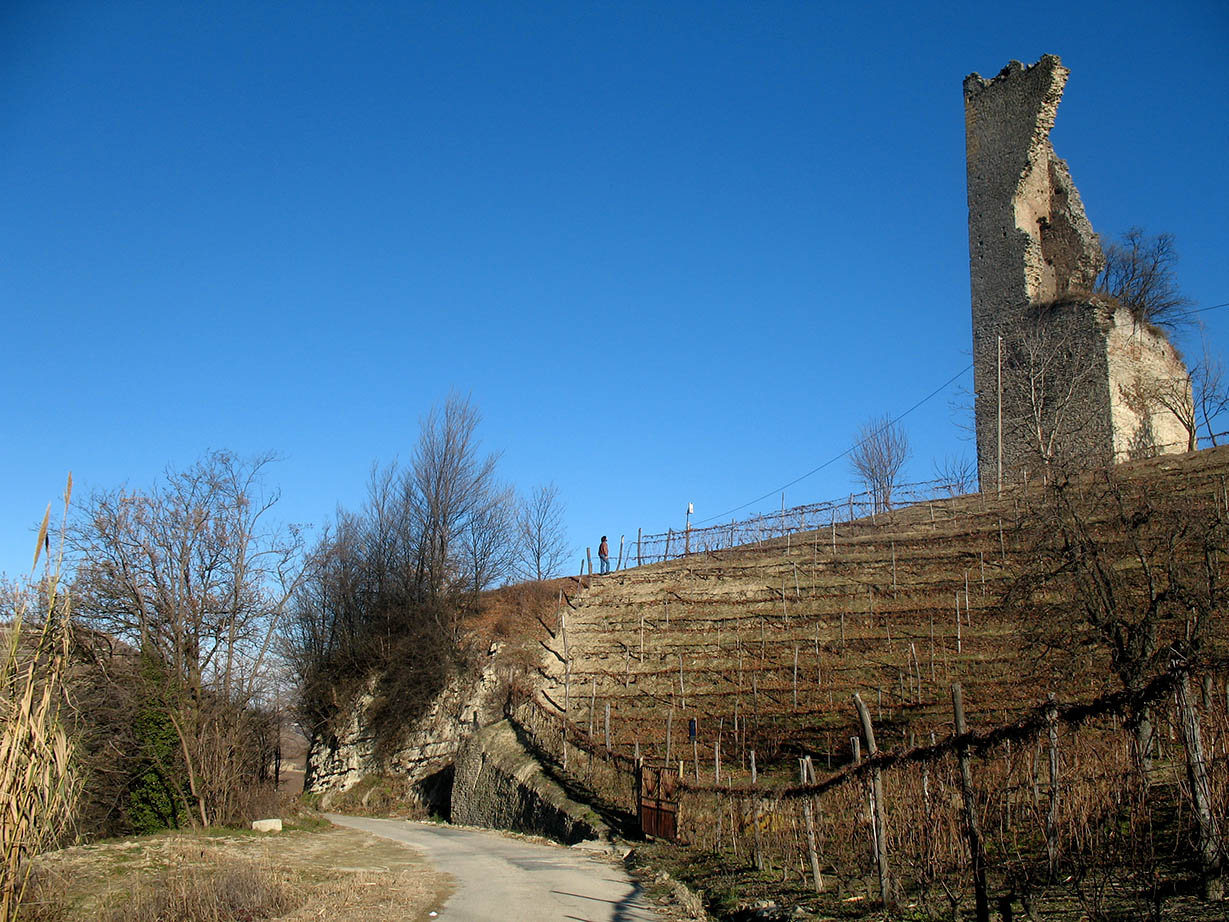
S. Stefano Belbo held considerable importance during the feudal period, of which the ruins of one of the towers of the ancient castle remain.
Santo Stefano Belbo as it was
It lies at the foot of a rugged hill, east of Alba. Among the churches, notable ones include: the parish church dedicated to St. James the Apostle and St. Christopher the Martyr, of ancient construction; the other parish church of Santa Margherita in the hamlet of Valdivilla; the church of San Maurizio of the Cistercians, which towers over the dominant hill, and a small temple of Gothic architecture nearby. In the center of the town lies a spacious square, and besides the beautiful palace of the Incisa counts (now the Town Hall), various fine and comfortable houses can be seen, manifesting the wealth of the landowners. Charitable congregation and nursery school. Sandstone quarries, cereals, wines, much trade, favored by six very popular annual fairs and a weekly livestock market.
Historical notes. In a diploma from Emperor Otto III, dated 1001, a third part of this fief was given to Marquess Ulric Manfred. It was then included in the Marquisate of Busca. These lords submitted it, in 1229, to the municipality of Asti, later granting it as a fief to the Revello family. The latter were stripped of it in 1280 by the people of Asti for having allied with their enemy Charles of Anjou; it was instead granted as a fief to the Bertrandi of Saluzzo. It passed subsequently to the Marquesses of Montferrat, then as a county to the Incisa; later it was a marquisate of the Corti of Pavia and a county of the Beccaria Grattarola Incisa.
Illustrious men. Santo Stefano Belbo is honored by two distinguished ecclesiastics: Monsignor Incisa, Archbishop of Sassari at the end of the last century, and Abbot D. Giovanni Battista Incisa, his great-nephew, almoner to the king and governor of the Collegio delle Provincie.
Electoral Coll. Cuneo III (Alba) — Dioc. Alba — P2 T. and Railway Alessandria-Cavallermaggiore.
Gustavo Strafforello
The Homeland. Geography of Italy. Province of Cuneo – Volume 1 – Turin 1891

Save the Date!
03 October 2026 — 08 December 2026
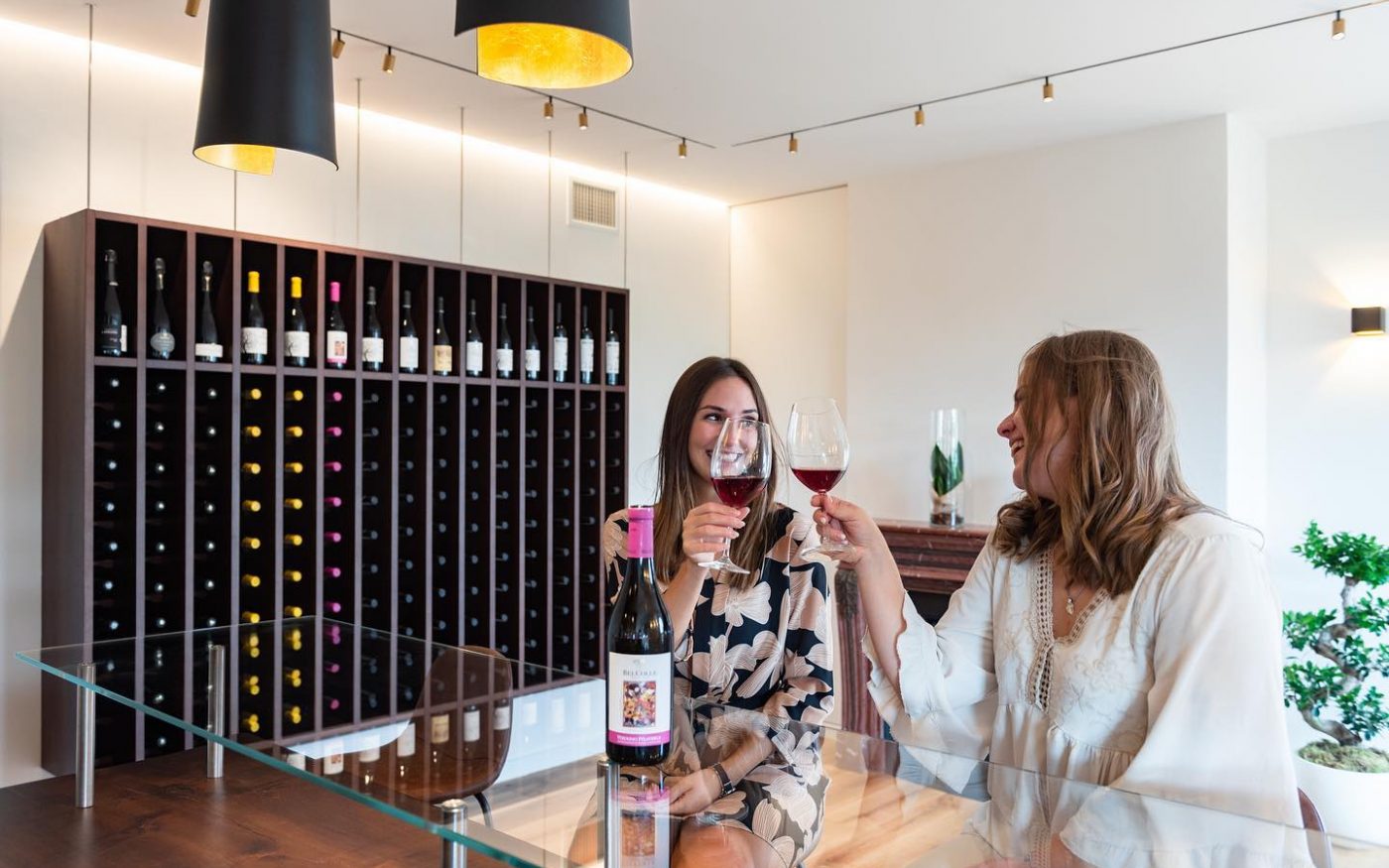
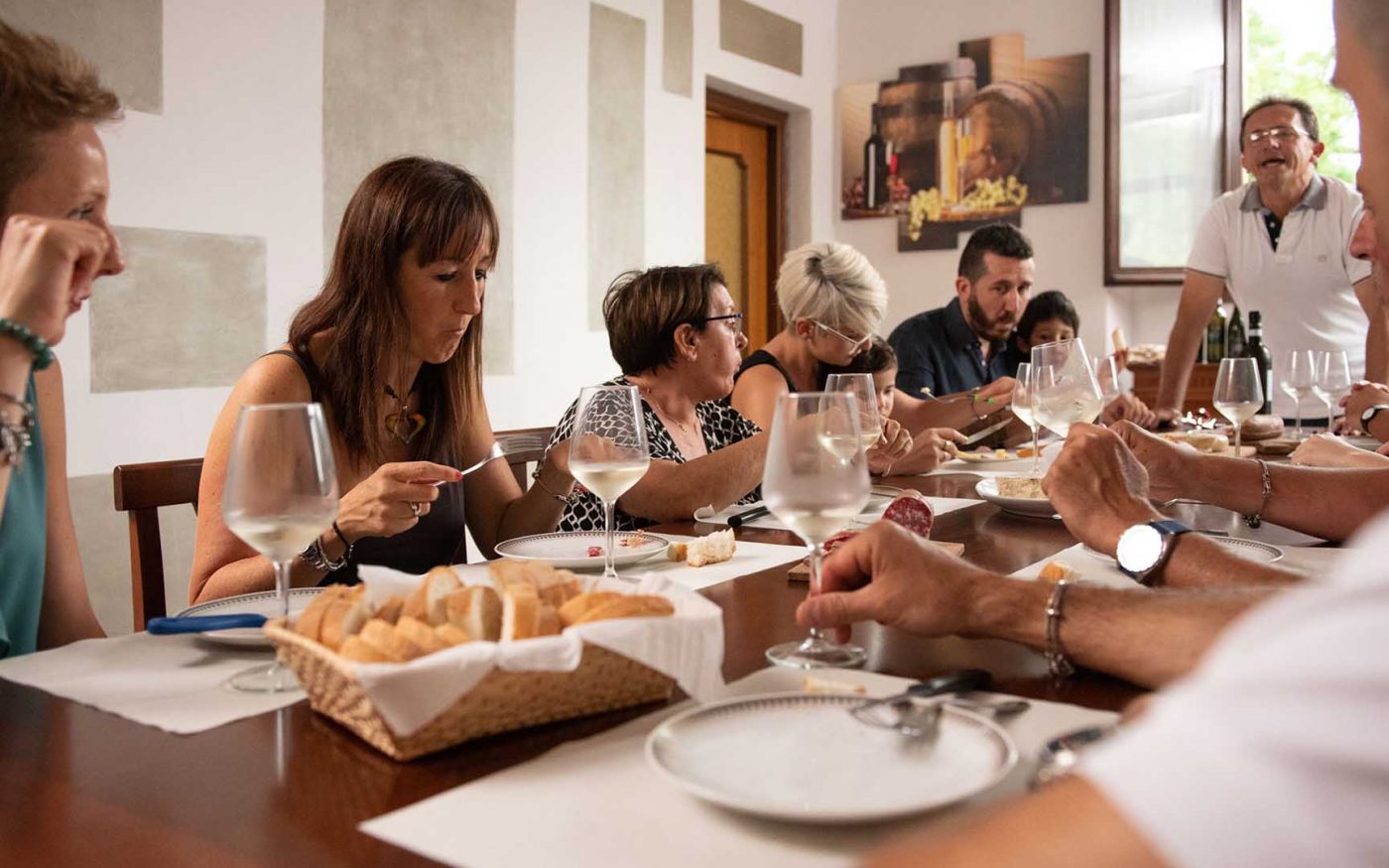
Wineries Open Their Doors for the Truffle Fair
An unforgettable experience to discover the secrets of wine directly from the producers, including tastings and untold stories, in an authentic atmosphere of conviviality
Discover the eventEvents in Santo Stefano Belbo and around
-
11 OctTraditional autumn lunch at Vigneti Brichet
A gastronomic itinerary to discover the colors, flavors, and suggestions of autumn on the UNESCO hills
-
11 OctAutumn colors and hues on the hills of ancient villages and great wines
A day's walk among renowned vineyards… historic villages and panoramic towers in the heart of the Langa del Barbaresco
-
13 OctBandera embroidery course
A course dedicated to those who want to learn a traditional sewing technique
-
16 Oct 18 OctRapulé Fair
The not-to-be-missed autumn event is back, drawing its name from the ancient practice of harvesting late bunches of grapes, called in the local dialect Rapulin 'd San Martin
Attractions in Santo Stefano Belbo


Open-air museum
Wines & Local Products


Accommodation & Experiences in Santo Stefano Belbo and around

Are you planning a trip in the Langhe region?
Let us help you design the perfect vacation, and live your stay like a true insider
Free
Service
Ask us
For advice
Free Service
Ask us
For advice
Free Service

Fill in the form
reporting your interests and preferences
Receive our suggestions
directly into your inbox
And if it's not enough
we'll design a personalized trip!