Castagnole Delle Lanze
Population
Inhabitants name
Altitude
Hamlets
Patron Saint
Twin Cities
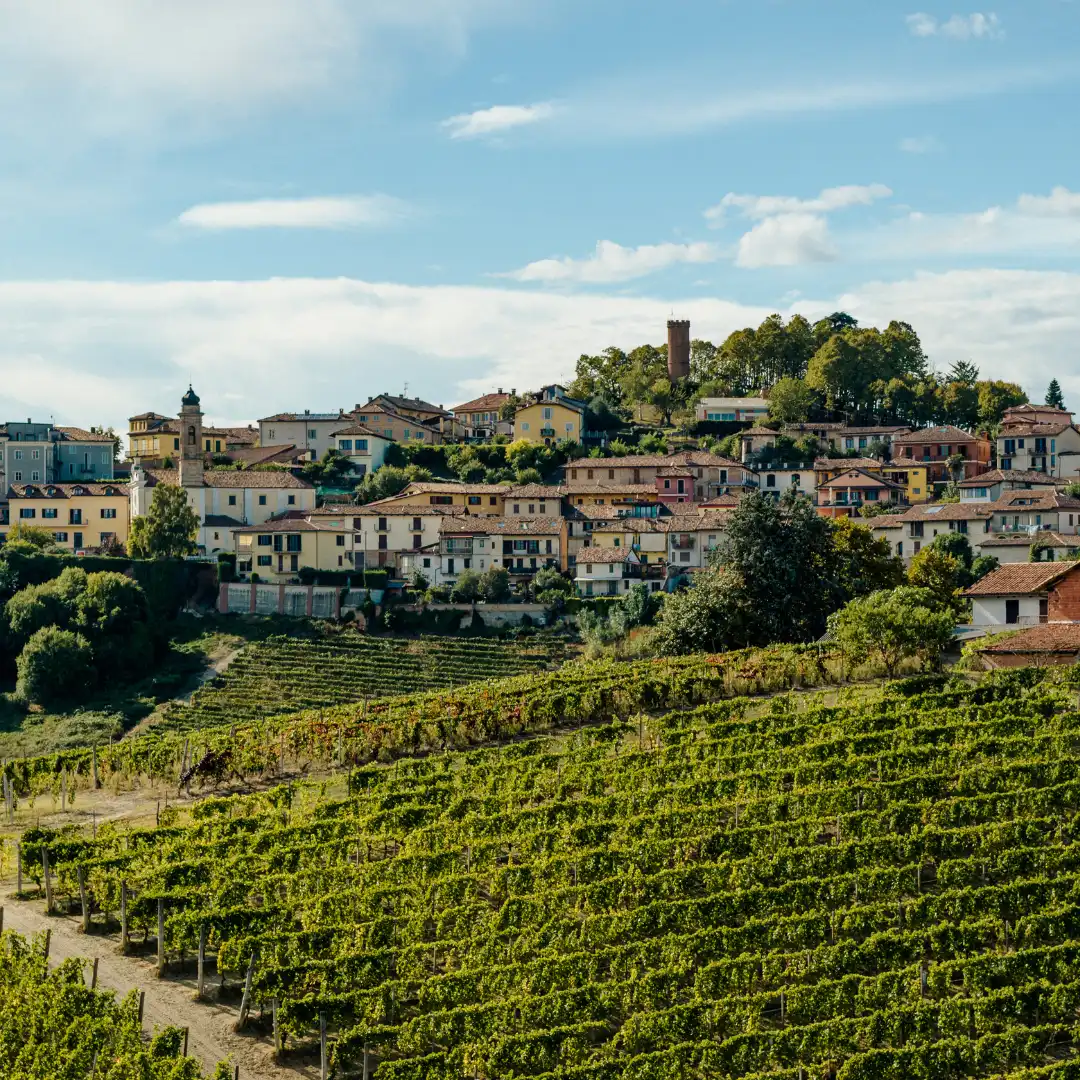
Castagnole delle Lanze stands in the province of Asti, a few kilometers from Alba, on hills that provide a natural connection between the Asti area, the Langhe, and the Roero. The town presents itself with two complementary souls: the historic core, gathered in the upper part, and the village that developed in the twentieth century, where many of the economic and productive activities are concentrated.
The historic center is discovered on foot, among stone paving, eighteenth-century buildings, panoramic views, and works that have transformed streets and porticoes into a small open-air museum. The colors chosen by local artists recall the seasons, the landscape, the vine, and the wine, making the image of the town immediately recognizable.
Barbera d’Asti, Moscato d’Asti, and Piedmont Hazelnut PGI are an integral part of the local identity and tell of a territory in which agriculture, hospitality, and culture continue to move forward together.
A town to be traversed slowly, ascending from the new village to the historic center and letting oneself be guided by the colors, the profile of the tower, and the cultivated hills.
Castagnole delle Lanze is part of the association I Borghi più belli d’Italia and has been awarded the Orange Flag of the Italian Touring Club.
The municipal territory is also included in the area of the Vineyard Landscapes of Piedmont: Langhe-Roero and Monferrato, recognized as a UNESCO World Heritage site in 2014.
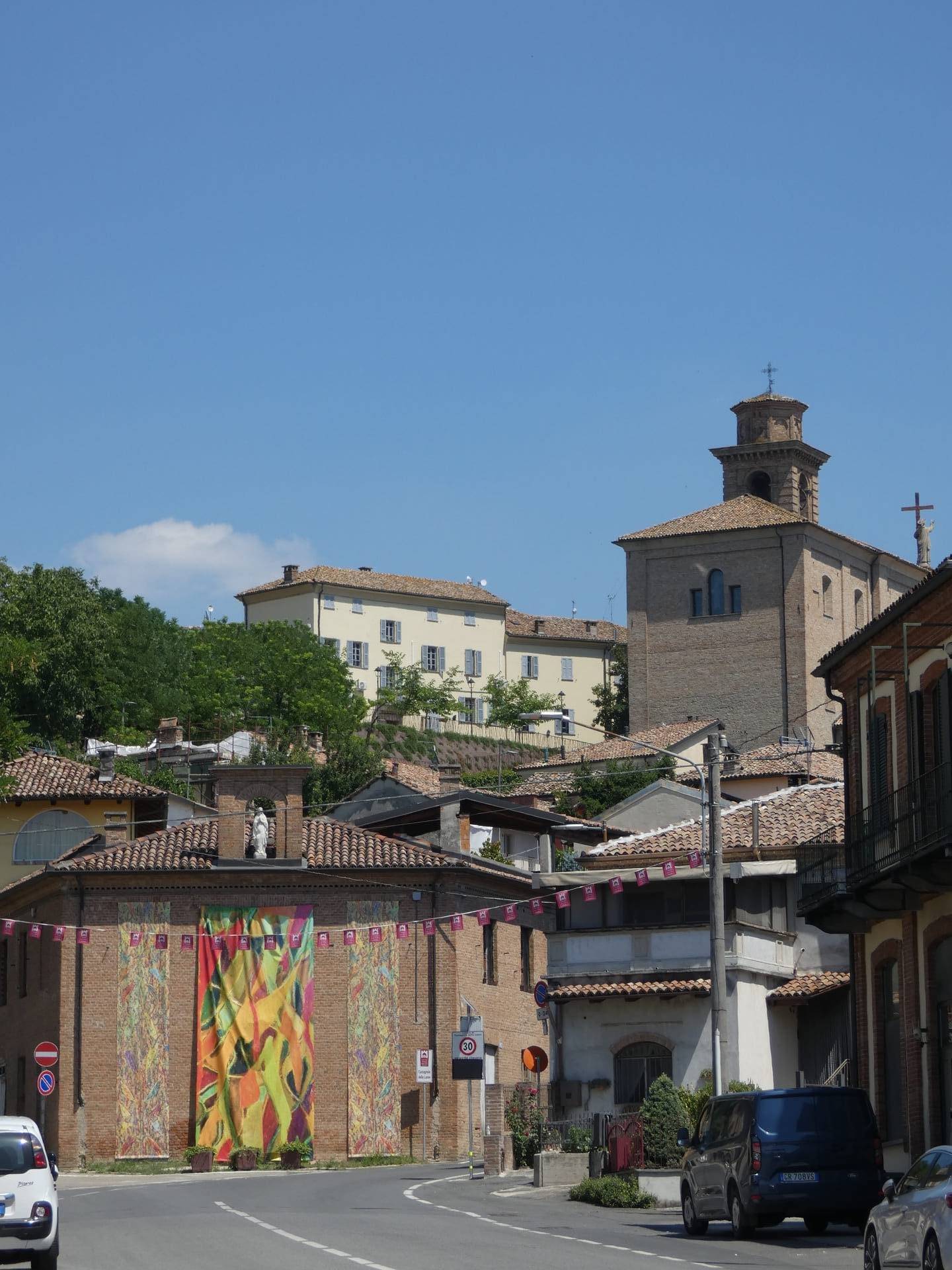
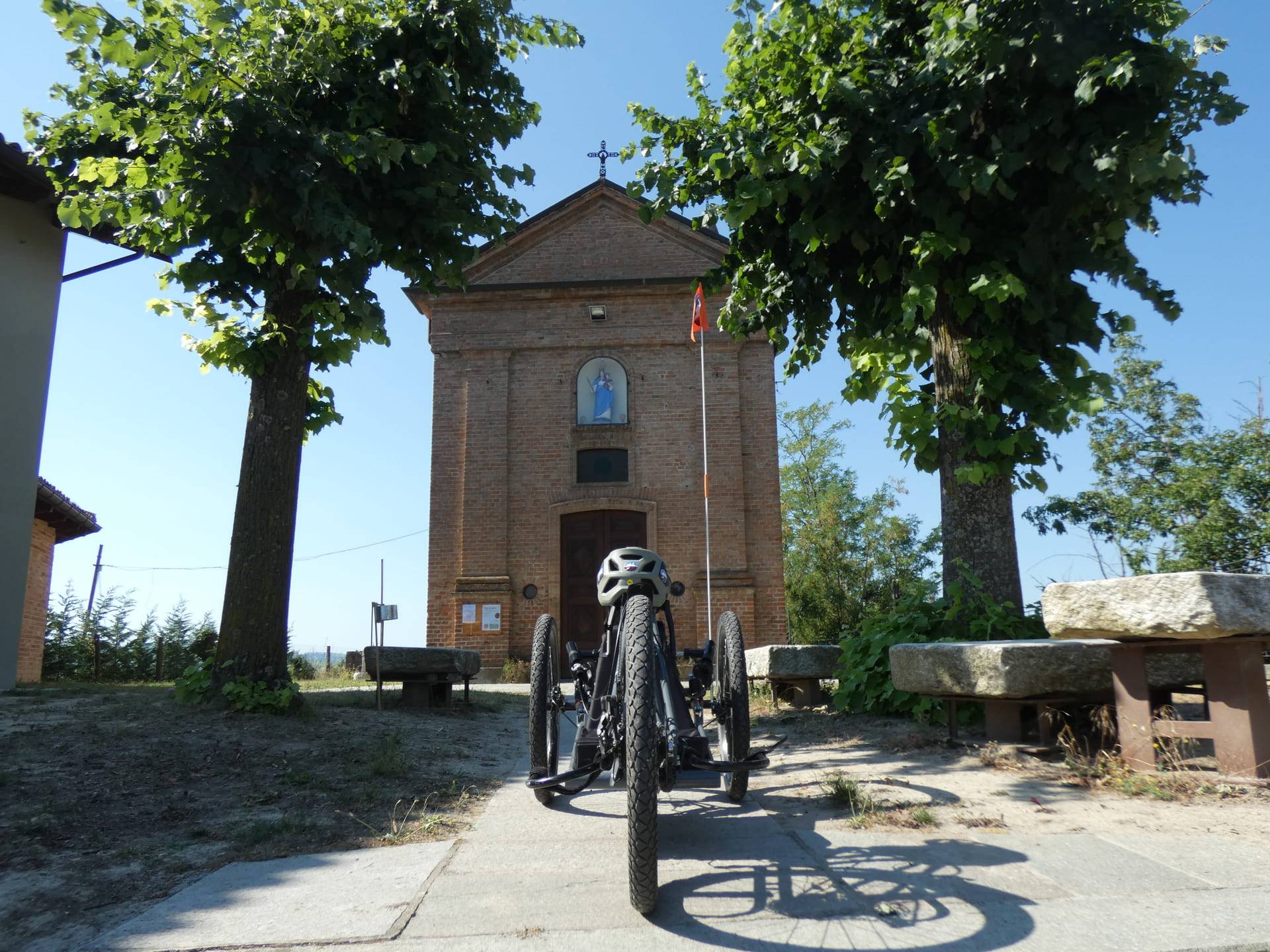
In the foreground, the Church of San Bartolomeo guides the eye toward San Pietro in Vincoli, which towers over the historic center of Castagnole from above.
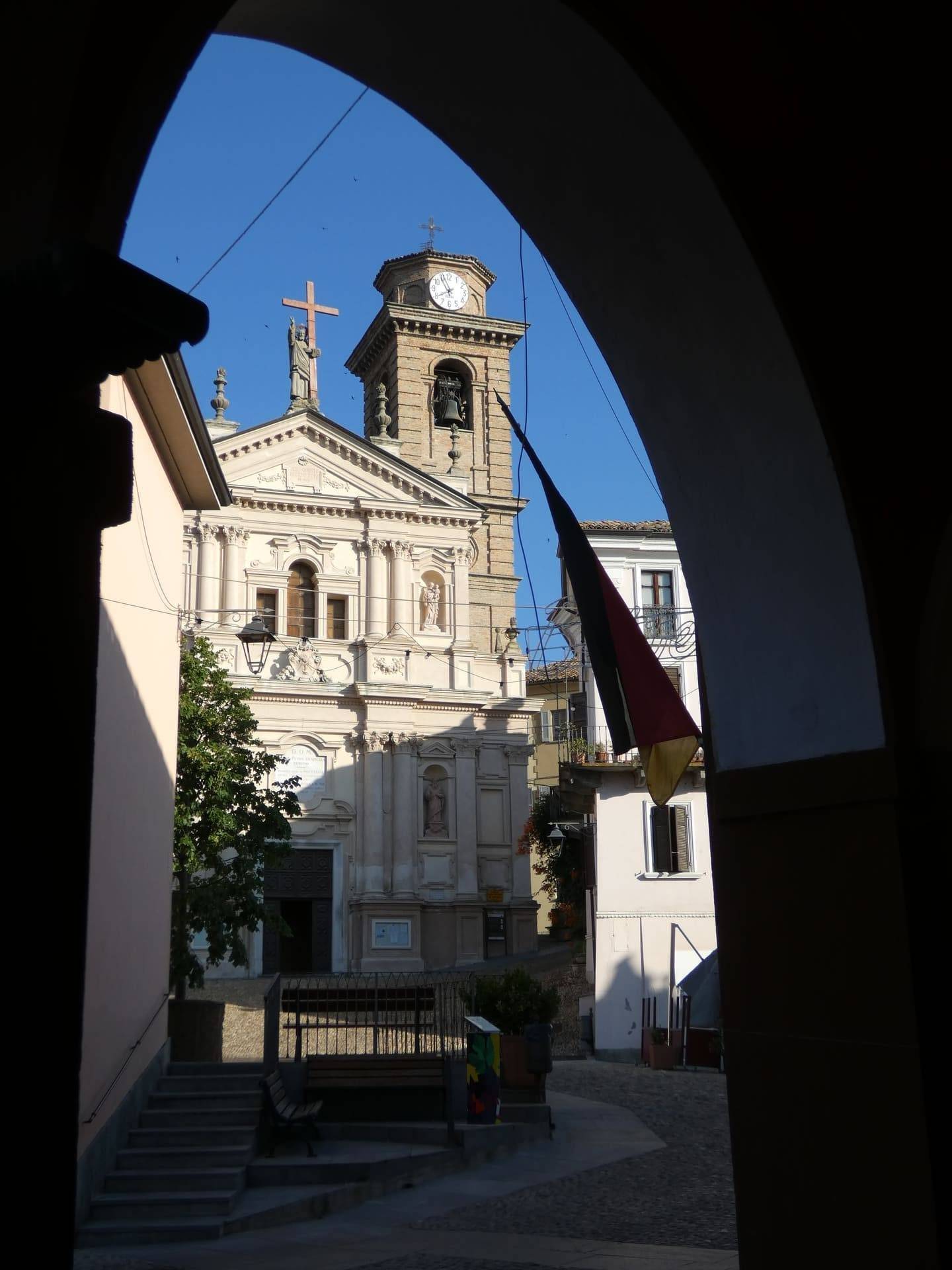
From the Portico of Tristan and Isolde, the view opens onto the facade and bell tower of the Church of San Pietro in Vincoli.
(Photo by Giovanni Chiera)
The Church of Santa Maria, also known as Madonna delle Grazie, sits in the quiet countryside of the hamlet that bears its name.
(Photo by Giovanni Chiera)
The history of Castagnole Delle Lanze
Starting from 950
From the Roman road to the Lancia family, through to its winemaking vocation.
The origins of the settlement are ancient. In Roman times, the territory was crossed by a branch of the road that connected Acqui to Pollenzo, the ancient Pollentia. The archaeological findings made at the beginning of the twentieth century confirmed the use of the area along this connecting axis.
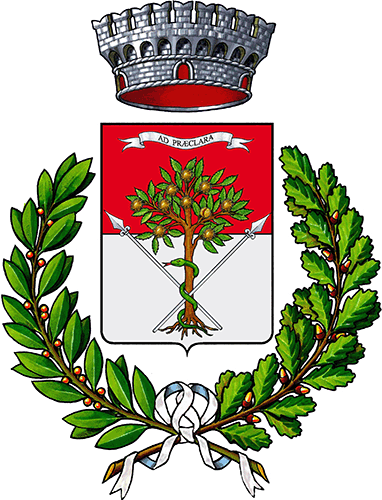
The name of the town also preserves a trace of the past. The first part of the toponym is traditionally traced back to the Latin castinea, meaning small chestnut; the second instead recalls the Lancia family, present in these lands between the end of the 12th and the beginning of the 13th century. Manfredo I, Marquis of Busca and Count of Loreto, is said to have originated the dynasty after serving as a spear-bearer at the court of Frederick Barbarossa.
The Middle Ages and the relationship with Asti
In the Middle Ages, the Codex Astensis places Castagnole among the possessions of the Counts of Loreto. A castle must have stood at the top of the town, probably destroyed in 1255 during the struggles between the Municipality of Asti and the County of Loreto. Later, Castagnole permanently entered the Asti orbit, sharing its alliances, conflicts, and political changes.
In the 14th century, the territory returned to the Visconti domains. The municipal papers record the oath of loyalty of the community to Valentina Visconti, who had received the Patria Astese as a dowry for her marriage to Louis of Valois, Duke of Orléans. Between the end of the 14th and the beginning of the 17th century, the town was part of the Capitaneato d'Astesana and remained directly under the governor of Asti. During this period, the settlement was protected by a city wall with cylindrical towers, of which few traces survive.
From the Savoys to the end of the fiefdoms
In 1573, the territory passed to Emanuele Filiberto of Savoy. Castagnole was then divided between the fief of the Asinari and the lordship of the Catalano Alfieri, who were succeeded at the end of the 18th century by the Birago-Alfieri counts. On the opposite side, the Asinari possessions passed by inheritance to the Marquises Carron of Saint Thomas.
The last forms of feudal rule ended in the first half of the 19th century. From 1850, the town followed the events of the House of Savoy and, subsequently, the Kingdom of Italy.
The nineteenth century, wine, and the growth of the town
The second half of the 19th century left still visible marks in the historic center. In 1864, the redevelopment of some buildings along the current Via Ener Bettica gave rise to the porticoes that would become one of the most characteristic elements of the town. In 1880, Count Paolo Ballada of Saint Robert had the circular tower used as an observatory and place of study built at the top of the village.
In the same period, the winemaking vocation of Castagnole was consolidated. Between the end of the 19th and the beginning of the 20th century, businesses specialized in the production of wine, vermouth, and sparkling wines were born, contributing to the economic development of the territory. The new village grew mainly around San Bartolomeo and the railway station, while the post-war period brought new activities and the arrival of families from other Italian regions, particularly from the South.
What to do in Castagnole Delle Lanze
A village to experience through art, wine, music, and tradition
Castagnole delle Lanze is a pleasant destination in every season. You can stroll through the streets and colorful porticoes of the Upper Town, climb up to the panoramic tower, or continue through the hills, visiting wineries and farms.
The calendar of events combines rural culture, food and wine, music, and entertainment. Among the best-known events are the Barbera Festival ‘from courtyard to courtyard’, the historic Hazelnut Fair, the Festival Contro, the theater festival ‘Paesaggi e oltre’, and the patronal feasts of San Pietro and San Bartolomeo.
The period richest in initiatives runs from spring to the end of summer, when courtyards, squares, and panoramic spaces become the meeting point for producers, residents, and visitors.
Pantalera
Among the sporting traditions linked to Castagnole delle Lanze, pantalera occupies a special place, an ancient variant of pallapugno still practiced in the squares of numerous towns in Lower Piedmont.
The serve is entrusted to the campau, who puts the ball into play by throwing it against an inclined wooden structure, called precisely a pantalera. From that moment, walls, roofs, balconies, steps, and ground irregularities become part of the field, making the bounces unpredictable.
In Castagnole, matches were traditionally played in Piazza Balbo, near the ancient market wing, while the town’s link with the balon continues today through pallapugno and the activity of the Sferisterio.
Weather Forecasts
 13°/16°
 19°/19°
16°/16°
19°/19°
16°/16°
 17°/17°
19°/19°
17°/17°
19°/19°
Latitude
Longitude
Townhall
Tourist Office
Save the Date!
03 October 2026 — 08 December 2026
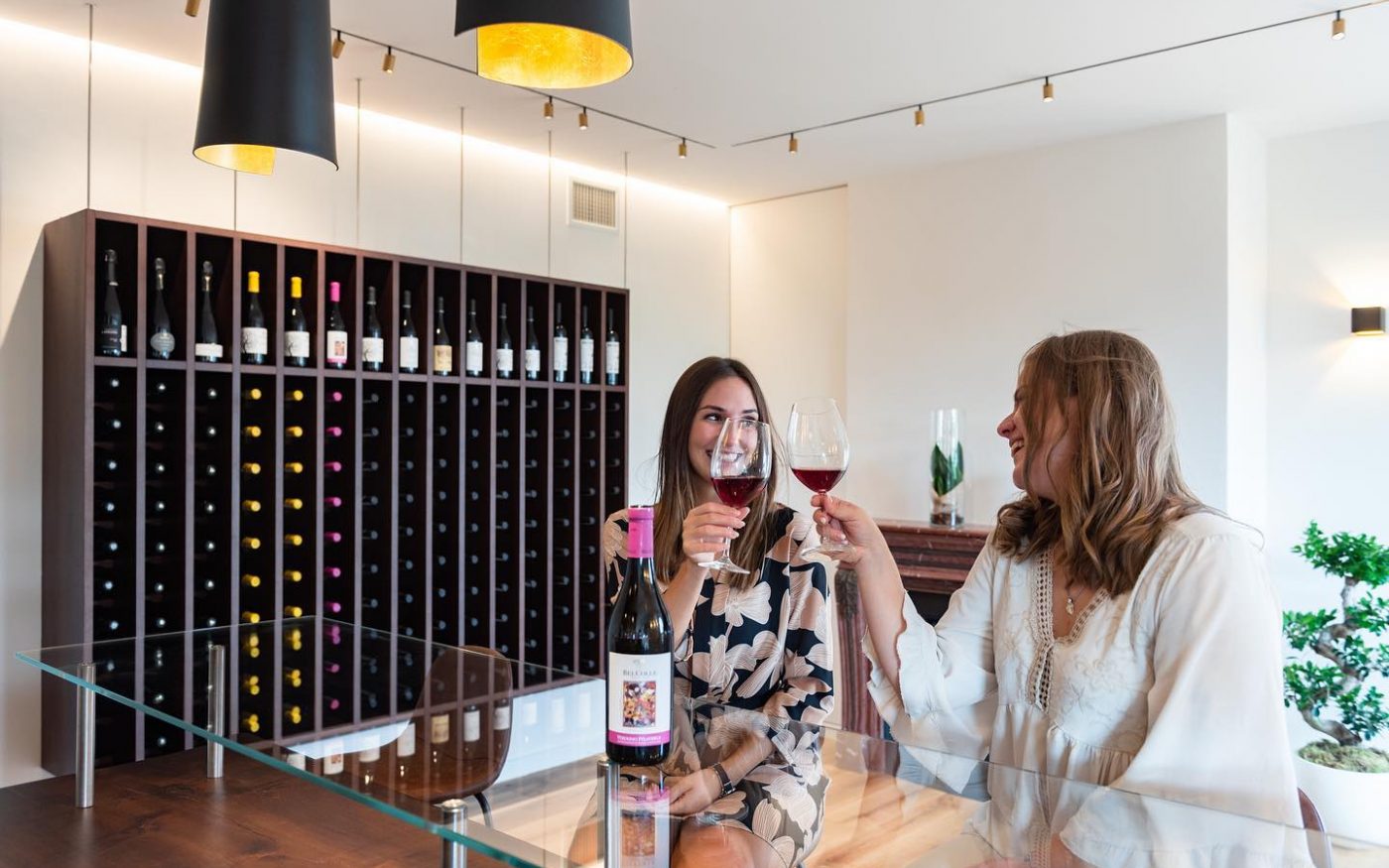
Wineries Open Their Doors for the Truffle Fair
An unforgettable experience to discover the secrets of wine directly from the producers, including tastings and untold stories, in an authentic atmosphere of conviviality
Discover the eventEvents in Castagnole Delle Lanze and around
-
24 Oct 25 OctPaint-nic: an artistic picnic in Langa
A relaxing activity in nature featuring painting, wine, and new friends. At the end, you can swap your canvas or take it home.
-
24 Oct 25 OctAlba Truffle Bimbi
Alba Truffle Bimbi is a place of fun designed entirely for children, but without ever neglecting the didactic and educational aspect
-
24 Oct 25 OctWorld Market of the White Truffle of Alba
The historic heart of the event dedicated to Tuber magnatum Pico
-
24 Oct 25 OctSlow Food Earth Market
Earth Markets are farmers' markets created according to guidelines that follow the Slow Food philosophy
-
23 Oct 25 OctBorgo diVino in tour
Wine, food, and music meet in the twenty-second stage in Castagnole delle Lanze
Attractions in Castagnole Delle Lanze


Products
From the vineyard to the hazelnut grove: the symbolic excellences of the town
Barbera d’Asti DOCG
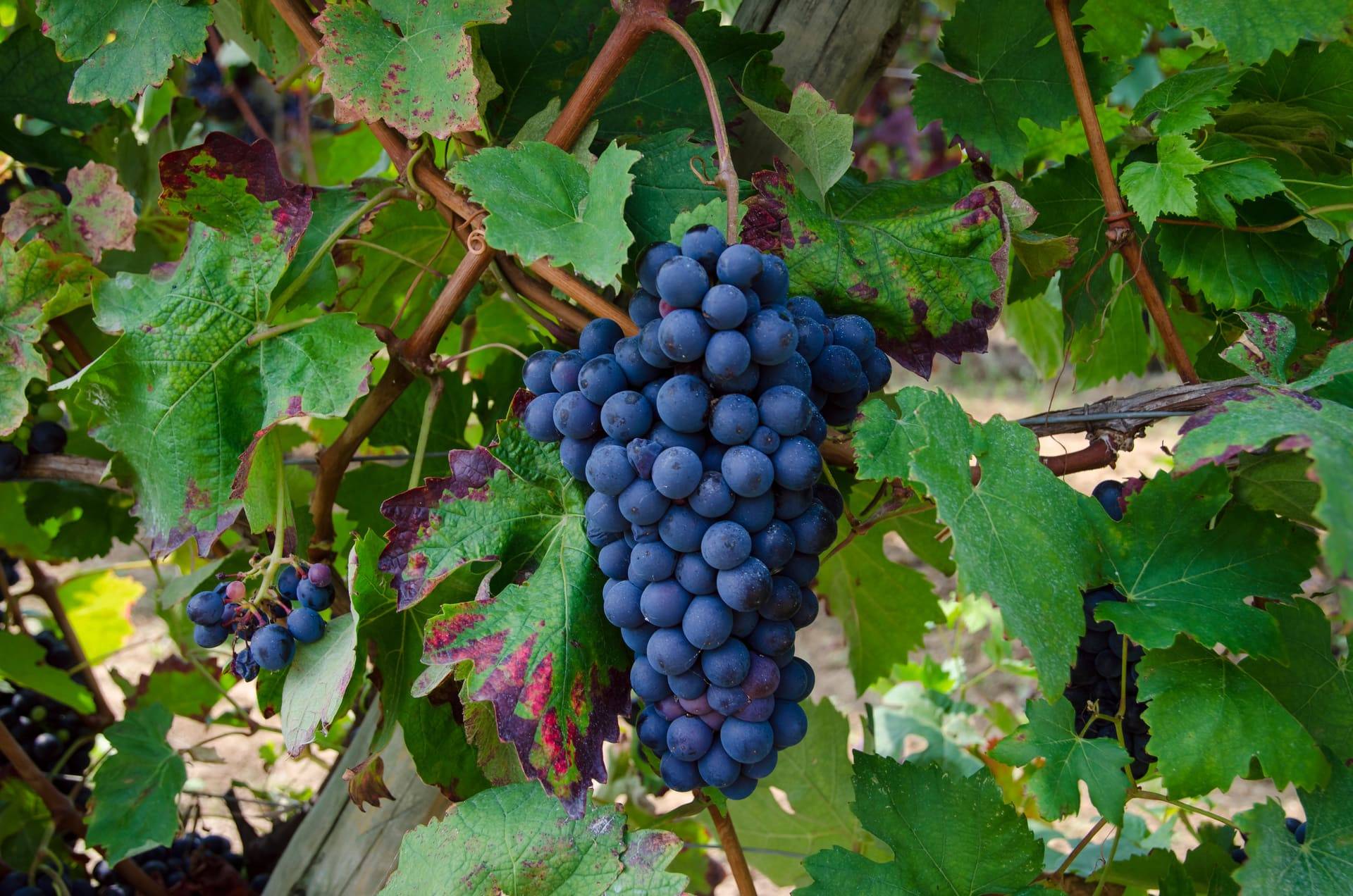
Barbera is the symbolic wine of the town. Freshness, fruit intensity, and versatility at the table have favored its spread, while the Superiore versions acquire structure and complexity through aging.
One of the town’s main festivals is dedicated to Barbera, during which the historic center and courtyards become meeting places for producers, local cuisine, and visitors.
Moscato d’Asti DOCG
Moscato Bianco is also cultivated on the most suitable slopes, from which Moscato d’Asti DOCG is born. Aromatic, fragrant, and naturally sweet, it is traditionally associated with pastries, but is increasingly proposed in savory pairings as well.
Piedmont Hazelnut PGI
Alongside the vine, the hazelnut tree is a constant presence in the agricultural landscape. The Piedmont Hazelnut PGI, obtained from the Tonda Gentile Trilobata cultivar, is appreciated for its aroma, ease of peeling, and quality after roasting.
Wines & Local Products


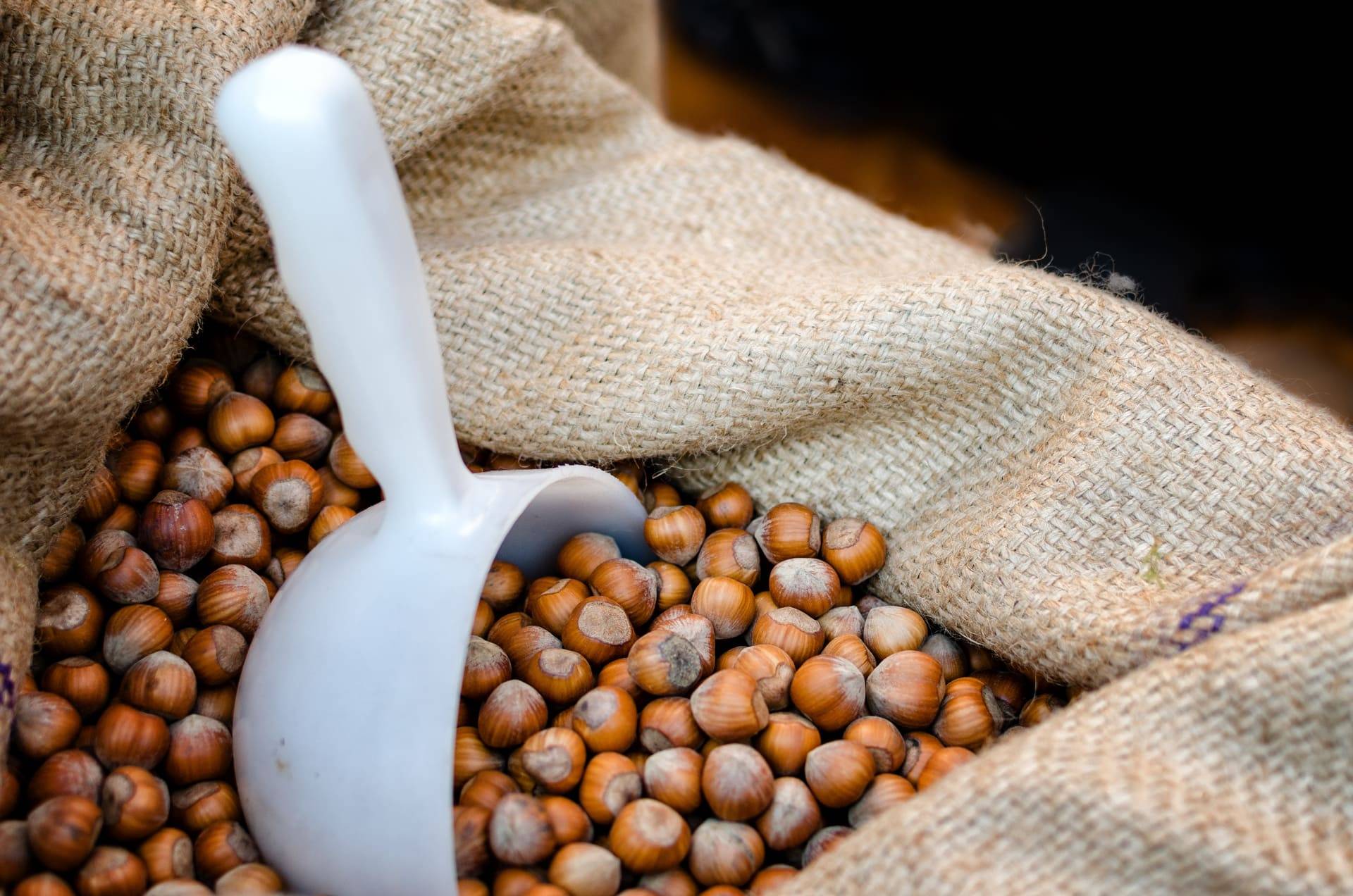
Fragrant, crunchy, and easy to peel after roasting, the Nocciola Piemonte PGI hazelnut comes from the Tonda Gentile Trilobata cultivar. Alongside the vineyards, hazelnut groves are an integral part of the local agricultural landscape.
These grapes produce the village’s signature wine, distinguished by its freshness, intense fruitiness, and versatility.
Accommodation & Experiences in Castagnole Delle Lanze and around


Are you planning a trip in the Langhe region?
Let us help you design the perfect vacation, and live your stay like a true insider
Free
Service
Ask us
For advice
Free Service
Ask us
For advice
Free Service

Fill in the form
reporting your interests and preferences
Receive our suggestions
directly into your inbox
And if it's not enough
we'll design a personalized trip!