
Ca' Balun Pallapugno Museum
Business Hours
Mon–Sun 00:00:00 → 23:59:59
Languages
Facilities
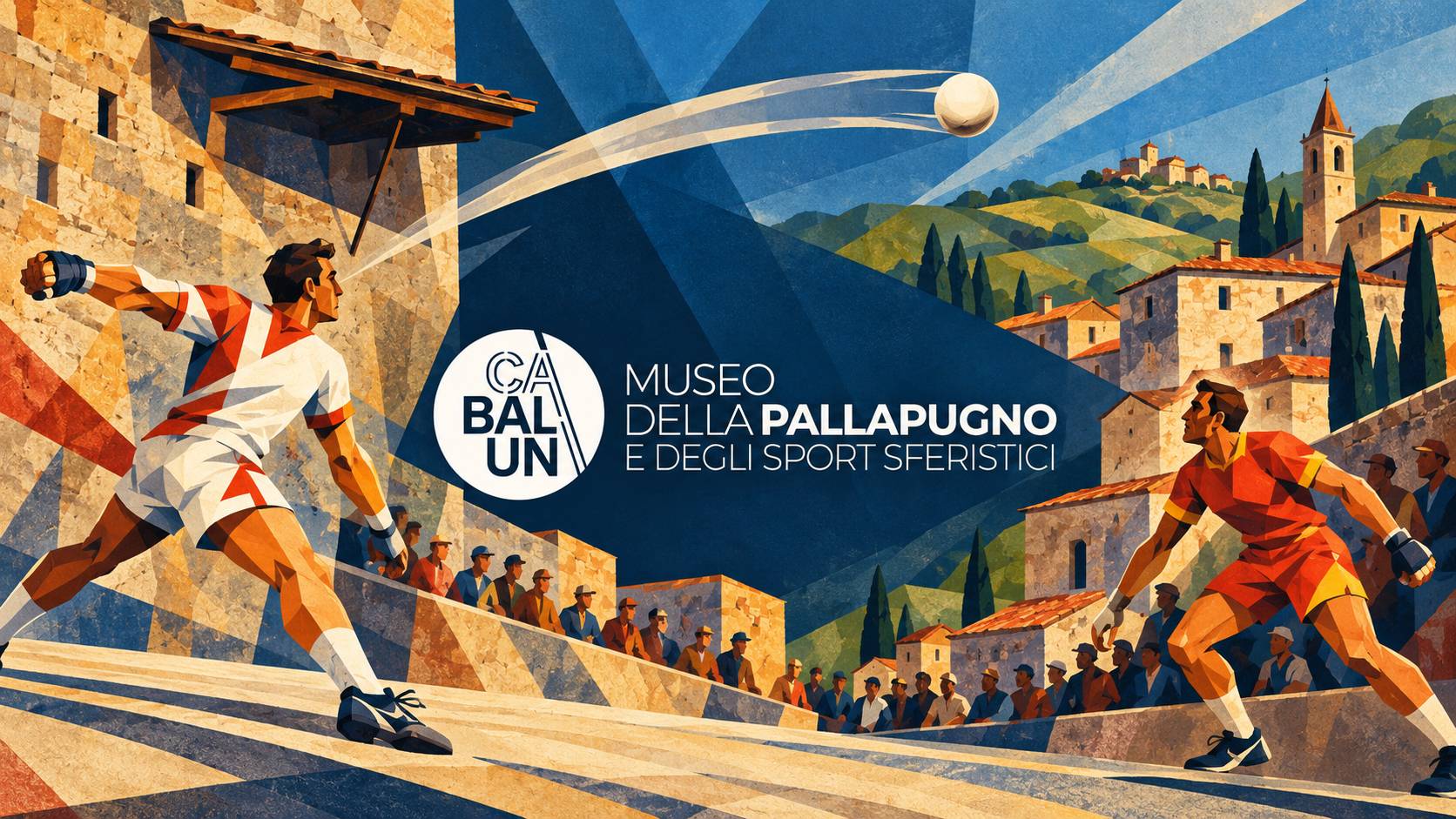
A ball, a bandaged fist and two teams of four players: in the Langhe, balòn is a sport that has animated town squares and sferisteri, fuelled rivalries, burned through thousands of lire in gambling, and accompanied the life of local communities.
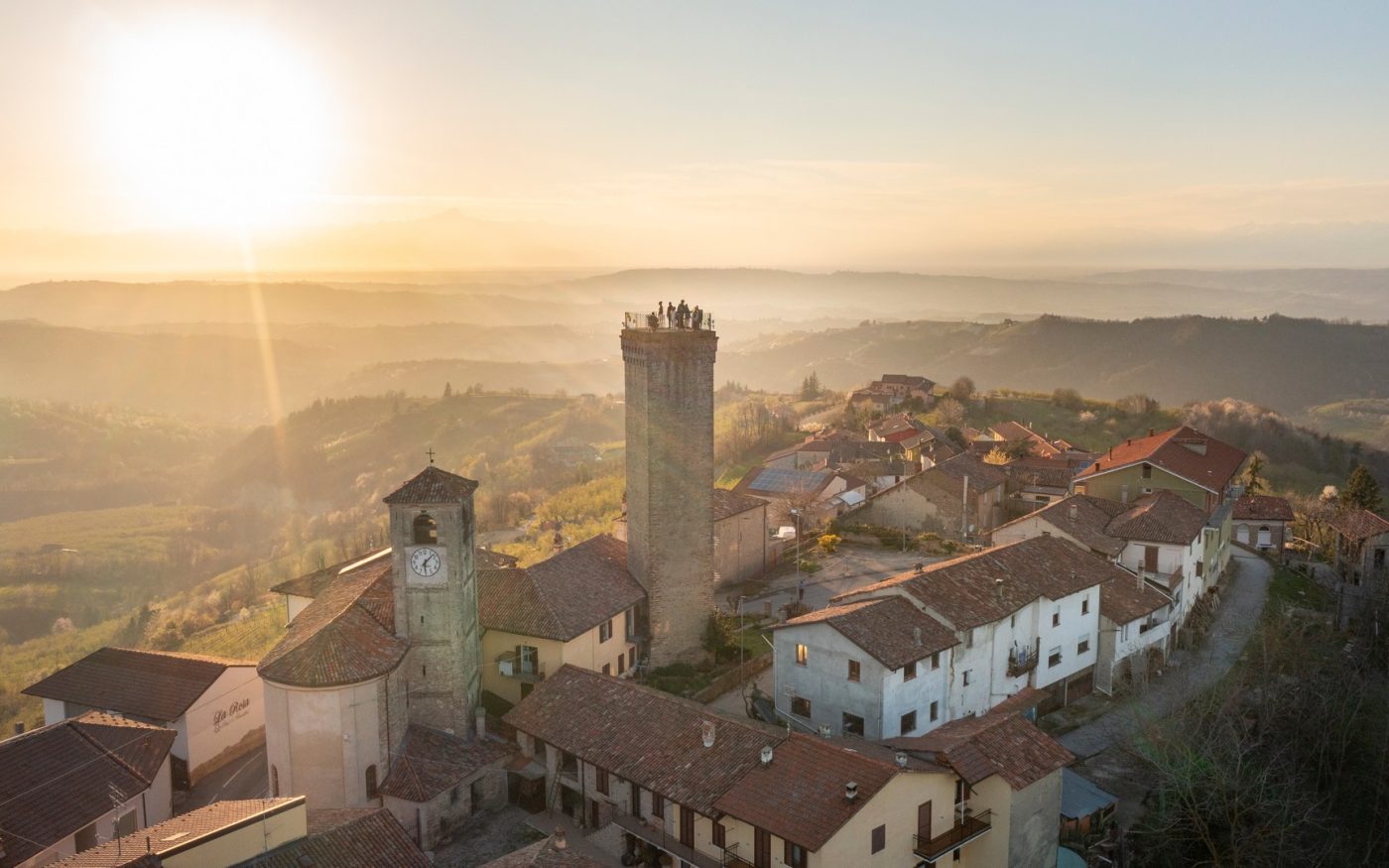
In Niella Belbo, Càbalùn tells its story through playing equipment, documents, jerseys and testimonies. The route passes through eight rooms and broadens its view to ball-game traditions in other countries, from Basque pelota to the games of the Americas.
You can visit it even without knowing the rules: videos and objects accompany the story, while the display niches light up in sync with the images, drawing attention to the materials described.
Access
Admission is free. The museum is equipped with a modern QR code-based access system, and is therefore open for visits 24 hours a day, 7 days a week. Guided tours can be arranged by sending an email.
Our history
At the heart of the museum is the collecting work of Luca Giaccone, journalist and curator of the project. Over the years, objects and documents from Italy and abroad have come together to form a collection dedicated to pallapugno and ball-court sports.
The idea for the museum came from a meeting between Giaccone, Renato Sevega and Emanuele Sottimano. The Municipality of Niella Belbo provided a home for the project, while Guido Mignone oversaw its artistic direction and concept.
Players, families, sports clubs, archives and collectors also contributed to the collection, sharing photographs, materials and memories.
The Rooms
From its origins in the town squares to today's matches
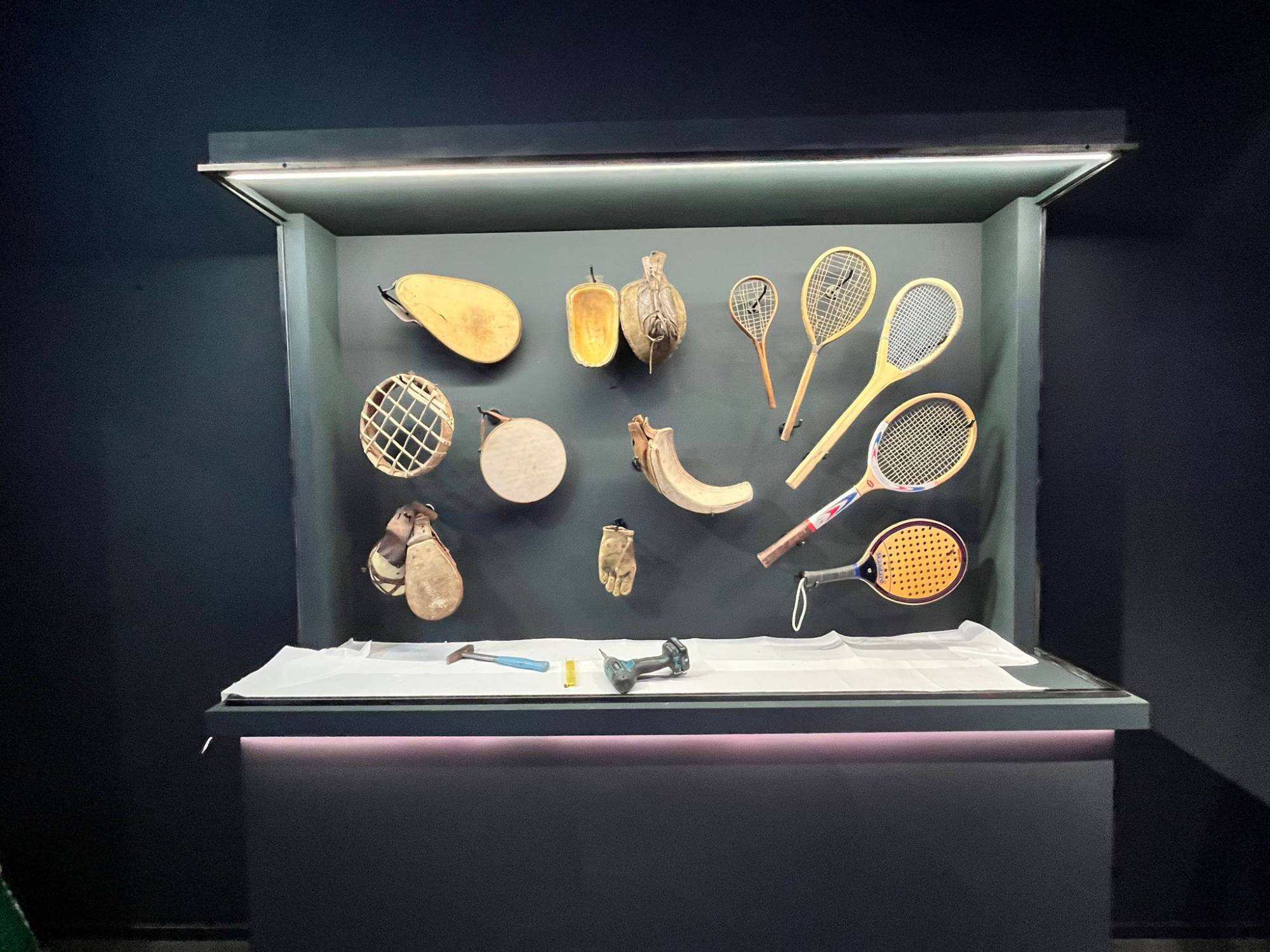
After the introduction, the route moves on to the oldest forms of the game. Antonio Scaino’s treatise, the armguards, the jeu de paume rackets and the tamburelli allow you to compare different tools and ways of striking the ball. Next come the transformations of materials: from leather balls to rubber, with moulds and stages of processing.
The central rooms tell the story of the champions and of the life around the court. Alongside jerseys and trophies, you’ll find the betting registers from the Mermet sferisterio in Alba. A pantalera displayed near the window overlooking the Alta Langa introduces the game as played in the town squares.
The World Stage section brings together the chistera of Basque pelota, the tools of Mixtec pelota and the gloves of One-Wall: different shapes and materials revealing just how varied this family of sports is.
The route arrives at contemporary pallapugno with trophies, bandages and jerseys. You can check the match calendar and use the QR codes to locate the sferisteri.
The last room, Càbalab, houses the library and an audiovisual archive accessible via a touchscreen: interviews, matches and testimonies to explore further what you encountered during the visit.
Map of the rooms
- Welcome to Càbalùn
An introduction to pallapugno and ball-court sports, through images, sounds and testimonies that accompany the start of the visit. - The origins of the ball game
Antonio Scaino’s treatise, the armguards and the jeu de paume rackets tell the story of the game’s ancient forms and tools. - The evolution of the ball
From leather to rubber: materials and processing methods show how the ball has changed. Scoreboards and chase markers introduce the rules of pallapugno. - The epic of the elastic ball
Jerseys, trophies and memorabilia trace the rivalries of the champions, alongside literary accounts and documents on betting at the Mermet sferisterio in Alba. - The ball between streets and squares
The pantalera and village games tell the story of the bond between sport and everyday life, through challenges, convivial moments and curious historical documents. - The World Stage
From Europe to the Americas, a comparison of traditions and equipment: the chistera of Basque pelota, the tools of Mixtec pelota and the gloves of One-Wall. - Pallapugno, a sport of today
Jerseys, bandages and trophies tell the story of the present. You can check news and match calendars and locate the sferisteri through QR codes. - Càbalab – The workshop
The library and audiovisual archive allow you to explore the visit further, browsing books, interviews and match footage via a touchscreen.
Not to miss
Visit Duration
Audioguides
Guided Visit
The Exterior
The colours of Linescape
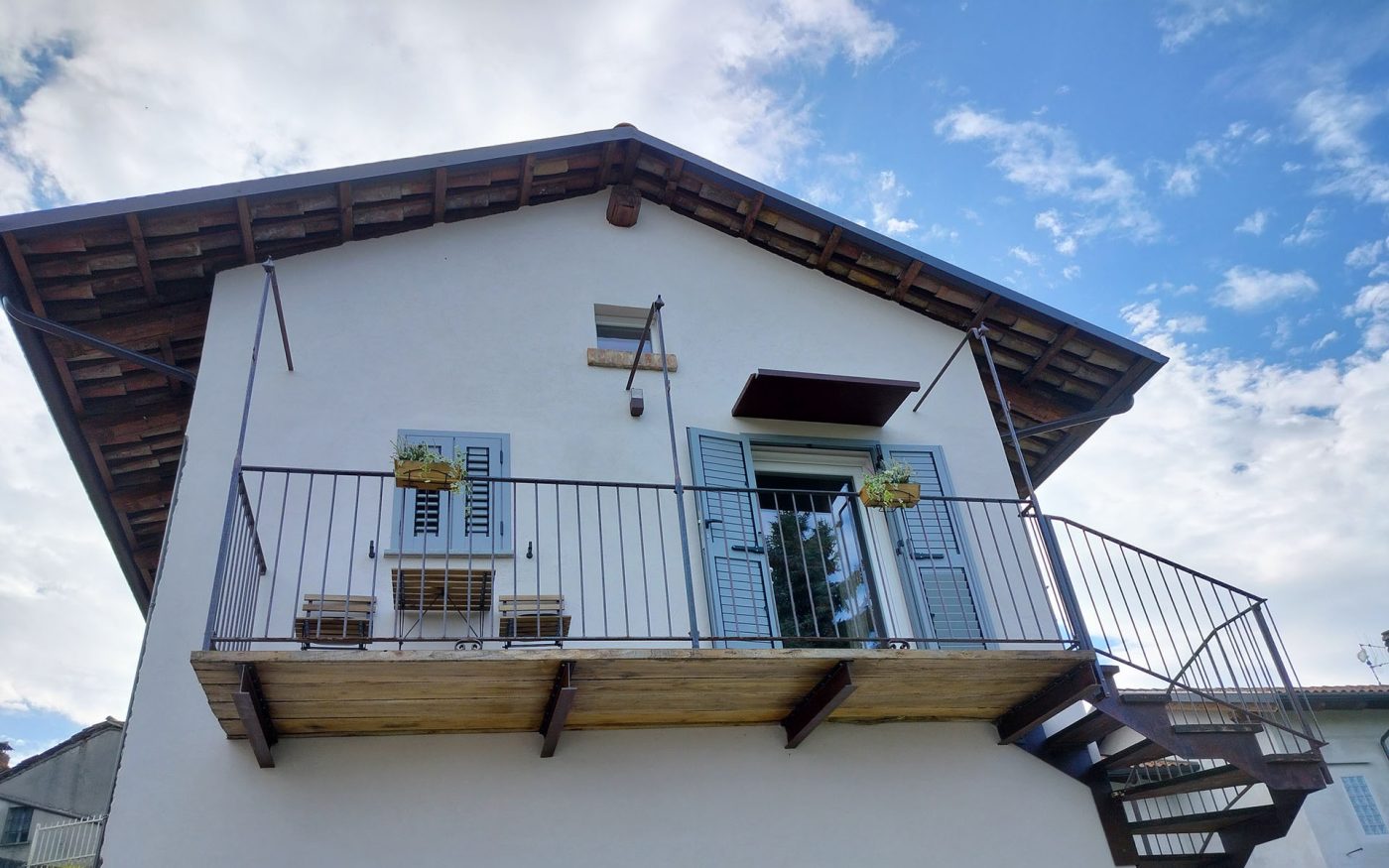
The museum is part of the cultural hub housed in the former Maria Vada nursery school. On the building’s façade you’ll find Linescape, the work created in 2023 by David Tremlett with Ferruccio Dotta.
Four shades of green and four of brown evoke meadows, trees and earth. The white lines trace the profile of the hills: a different way of looking at the landscape surrounding Niella Belbo.
Not to miss
Visit Duration
Audioguides
Guided Visit
Style
Curiosities
The balòn on and off the court
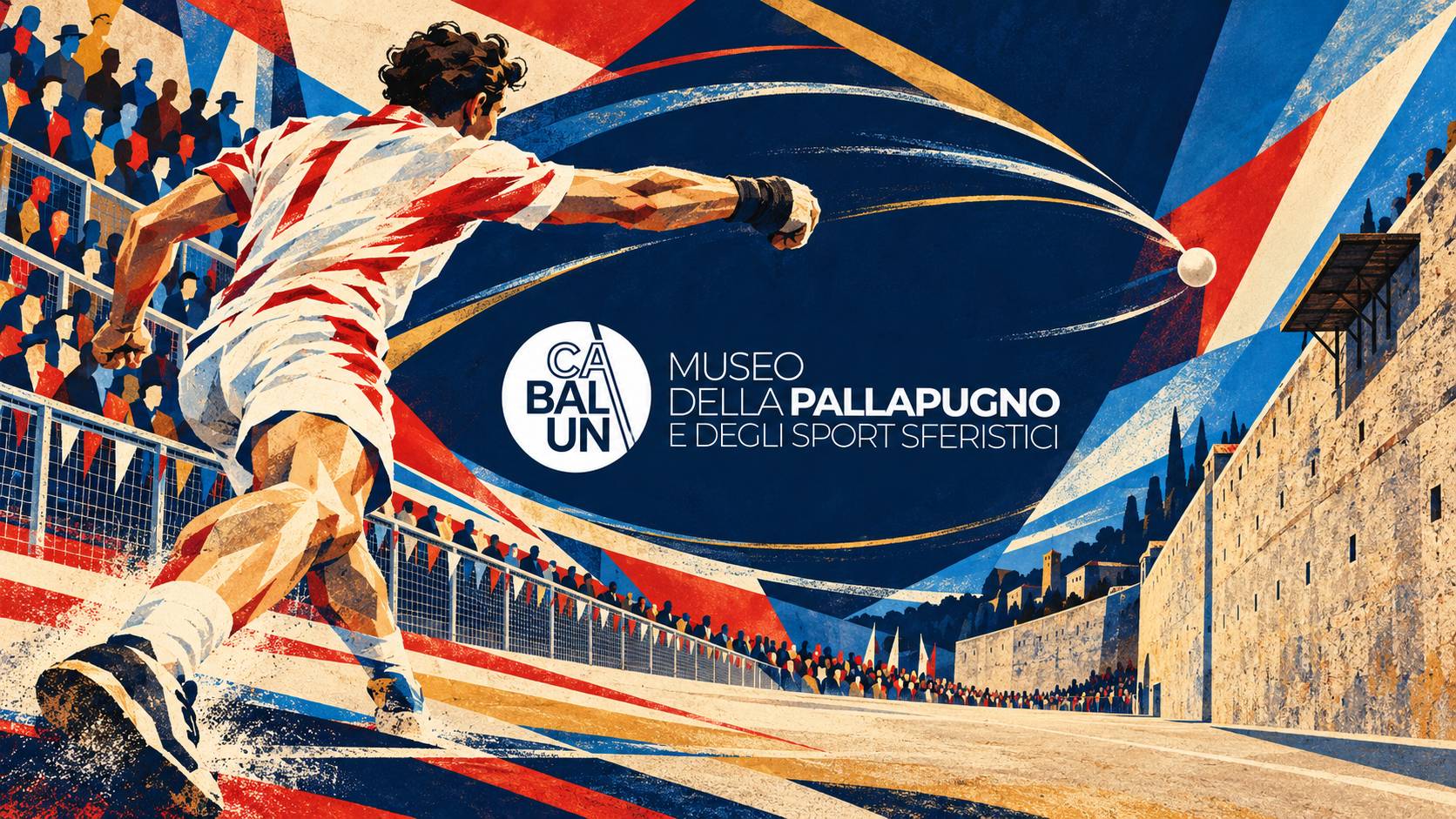
In pallapugno, two quadrette, teams of four players, compete against each other. The court is called a sferisterio, and the hand that strikes the ball is protected by a bandage. The score progresses through fifteen, thirty, forty and game.
A distinctive feature is the cacce: certain actions leave a point to be awarded and a position marked on the ground. After the change of ends, that position becomes the mark to be reached or defended in order to win the point.
In pantalera, on the other hand, the ball is put into play by throwing it onto a small sloped canopy. It is played in the town squares, where walls, steps and irregularities can make the bounces unpredictable.
Coexistence with the surrounding houses wasn’t always easy: the museum preserves an 18th-century document relating to a lawsuit in Benevello over damage caused to façades by ball games.
Not to be missed

Eat & Drink in High Langa


Ca' Balun
Pallapugno Museum
in Niella Belbo
Ca' Balun
Pallapugno Museum
in Niella Belbo
Are you planning a trip in the Langhe region?
Let us help you design the perfect vacation, and live your stay like a true insider
Free
Service
Ask us
For advice
Free Service
Ask us
For advice
Free Service
Fill in the form
reporting your interests and preferences
Receive our suggestions
directly into your inbox
And if it's not enough
we'll design a personalized trip!