Wandering in Langa
LoveRoero and LoveMonferrato two territories, a new way to tell their story
April 13, 2026

There are stories that start from a specific place and then expand over time, following a natural evolution.
Ours begins in Alba, in 1998, when Langhe.net took shape in a context where tourist interest was certainly not what it is today and digital tourism was still entirely to be built.
The Langhe were the first story, a structured look at an area that over the years would win over an increasingly wide audience, eventually becoming one of the most sought-after international destinations.
Today our base is in Albaretto della Torre, in Alta Langa, where the hills change, rise, become harsher and less “tame.”
In this article, however, we want to tell you how, over the years, our gaze has opened up to new directions: those of two extraordinary areas, with a strong identity and a bold character, which we have deeply fallen in love with: Roero and Monferrato.
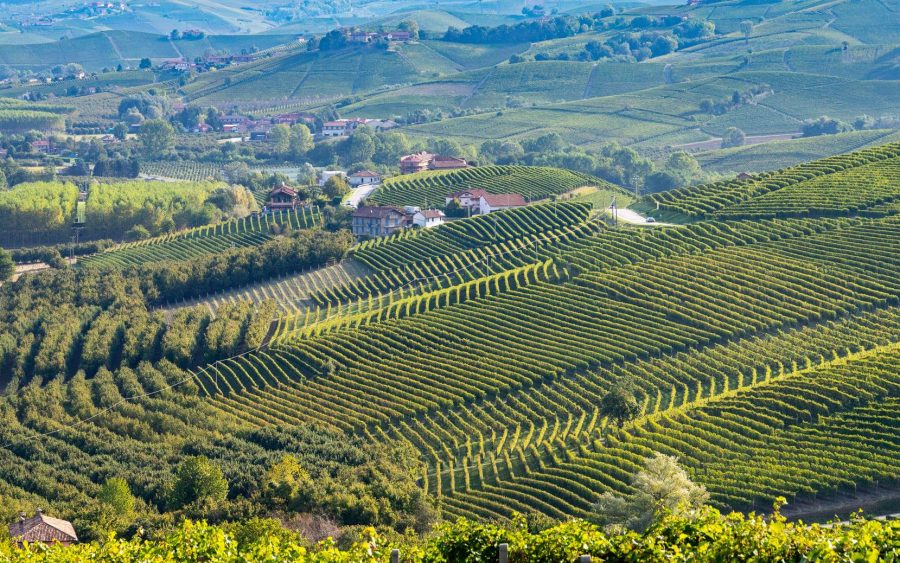
Roero immediately breaks the mold. Just a few kilometers from the Langhe, the hills become more irregular, vineyards alternate with woods and orchards, and the presence of sand—a rare and distinctive element—completely changes the perception of the territory.
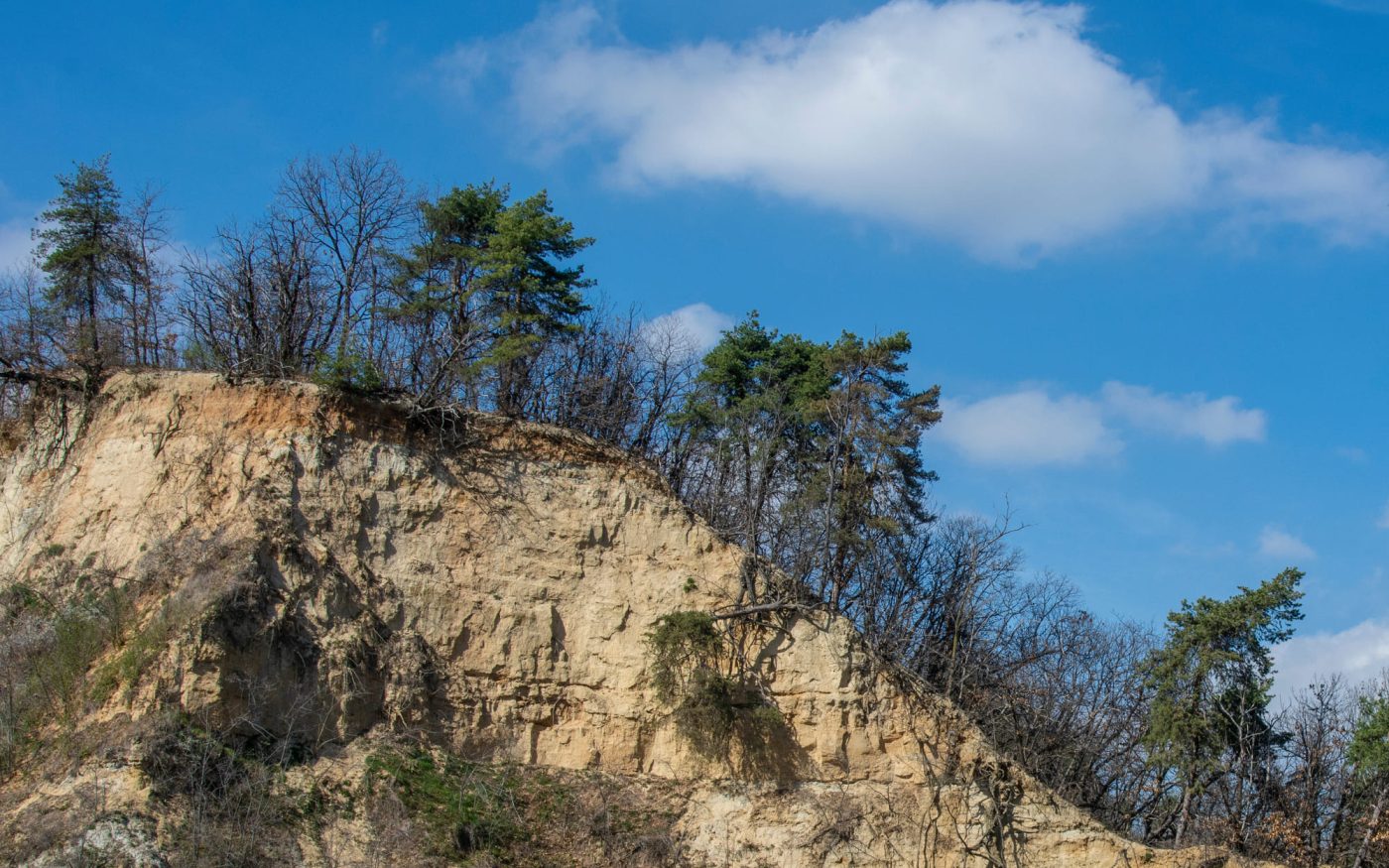
The Rocche of Roero, with their steep cliffs and deep gullies, tell an ancient geological story and convey the idea of a landscape in constant motion.
The towns of Roero also reflect this energy. Bra remains the most dynamic reference point, but it is by climbing the ridges that everything becomes more expansive and suggestive, among small villages, natural viewpoints, and vistas that change at every turn.
Places like Guarene, Magliano Alfieri, or Montà overlook the Tanaro valley with wide, continuous views, while Santo Stefano Roero and Vezza d’Alba follow the line of the Rocche, between interrupted vineyards and wilder stretches.
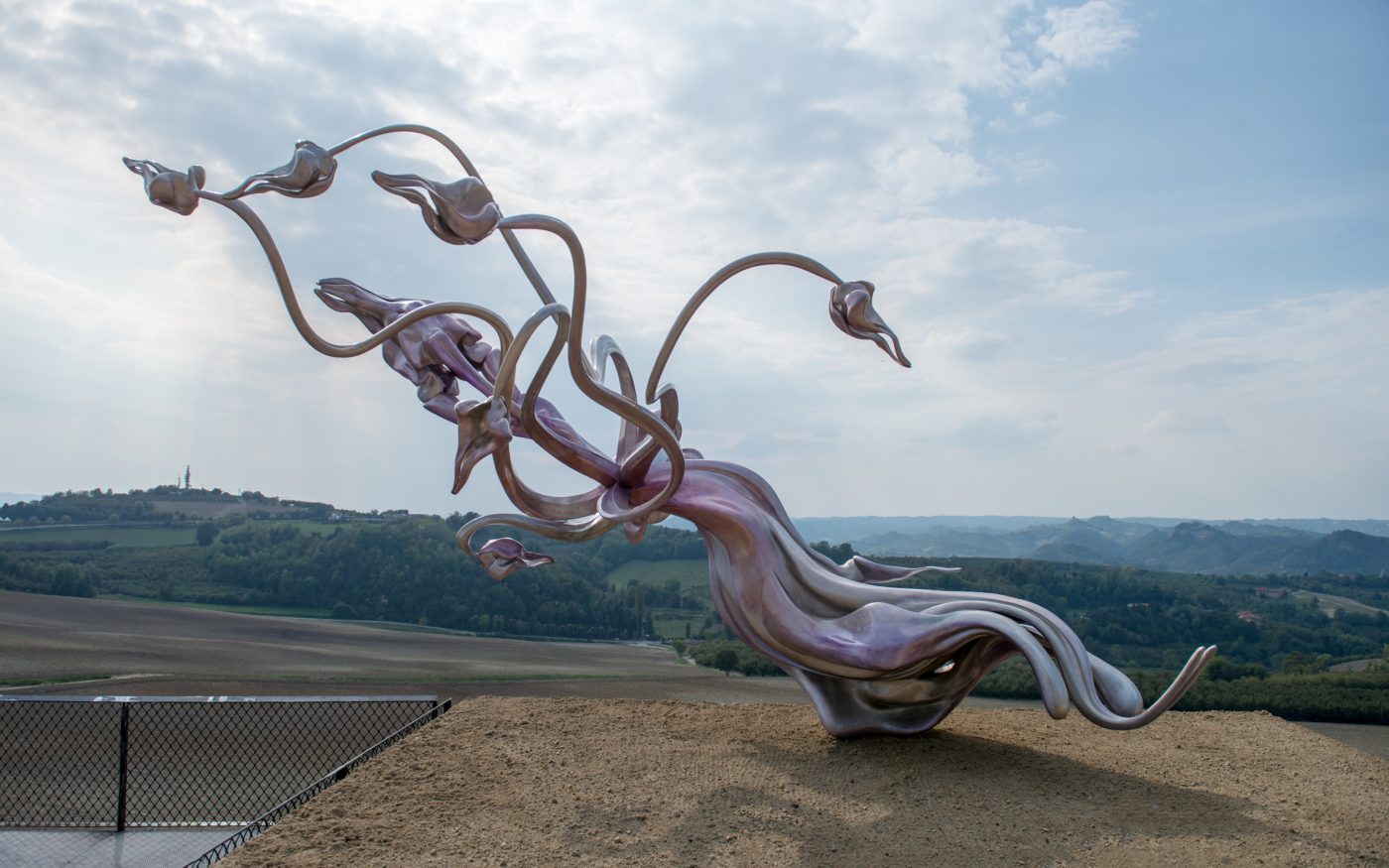
Canale is one of the liveliest centers of Roero, with its historic porticoed layout along the main street, its wineries, shops, and a calendar of events—most notably the Peach Fair—that make it something of a nerve center for the area.
Monferrato stands out for its breadth and complexity: it is vast, and the hills follow one another with a soft, continuous flow, creating a landscape that changes slowly and requires time to be understood.
Here, there is no single center, but a network of places that together build an articulated and layered identity.
Asti represents a historical and cultural reference, but Monferrato expresses itself fully through a plurality of centers.
Among these are Nizza Monferrato, strongly linked to Barbera, Canelli, with its UNESCO heritage underground cathedrals, Casale Monferrato, elegant and rich in history, and Acqui Terme, famous for its millennial thermal springs and for the “Bollente,” the hot water spring that gushes at over 70°C in the historic center.
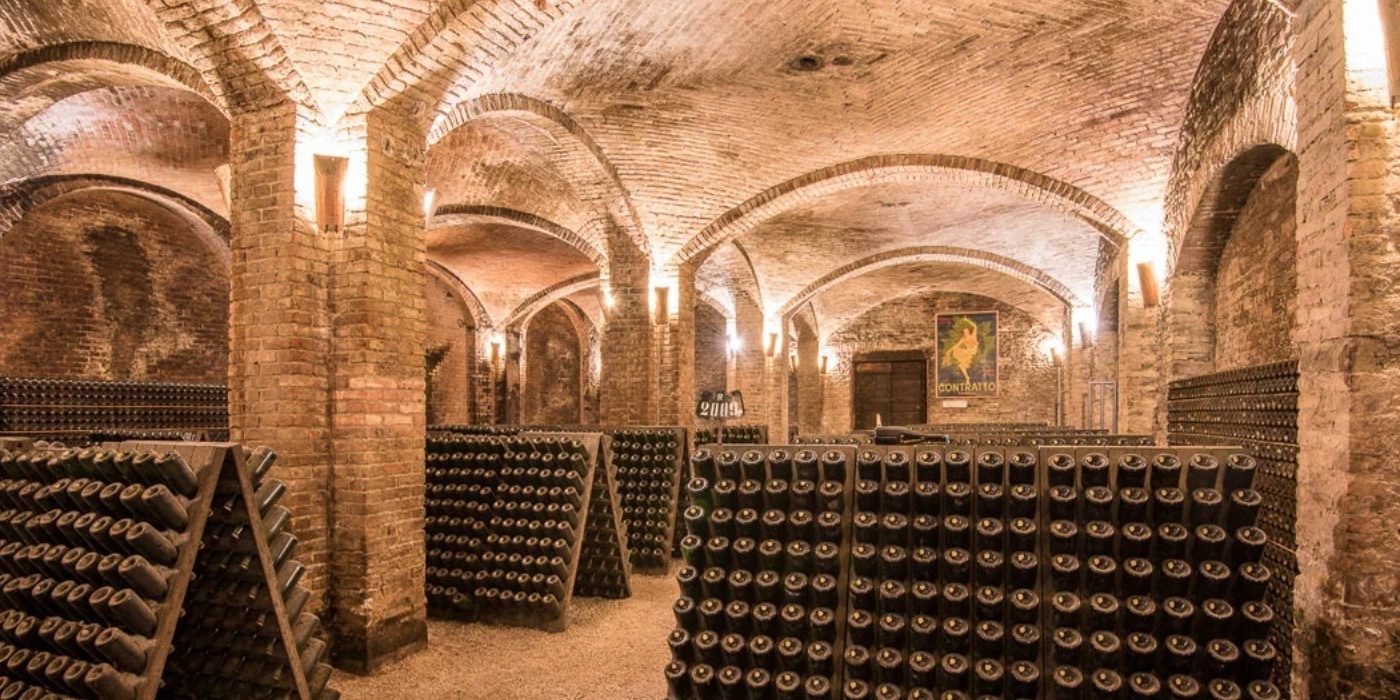
This complexity is also found in the wines: Barbera is expressed in many forms, from more immediate profiles to more structured ones, while grape varieties like grignolino and ruchè offer less conventional interpretations.
Monferrato builds itself over time, through a sum of experiences that together return a deep and coherent identity.
The Langhe have the merit of having attracted international tourism, building a strong and recognizable image over the years, and shining a spotlight on an area that is now a benchmark in the global food and wine scene.
This journey has also paved the way for greater attention toward the surrounding areas.
Precisely for this reason, today it is essential to change perspective. Roero and Monferrato cannot be read as an extension of the Langhe, nor as a variation of them.
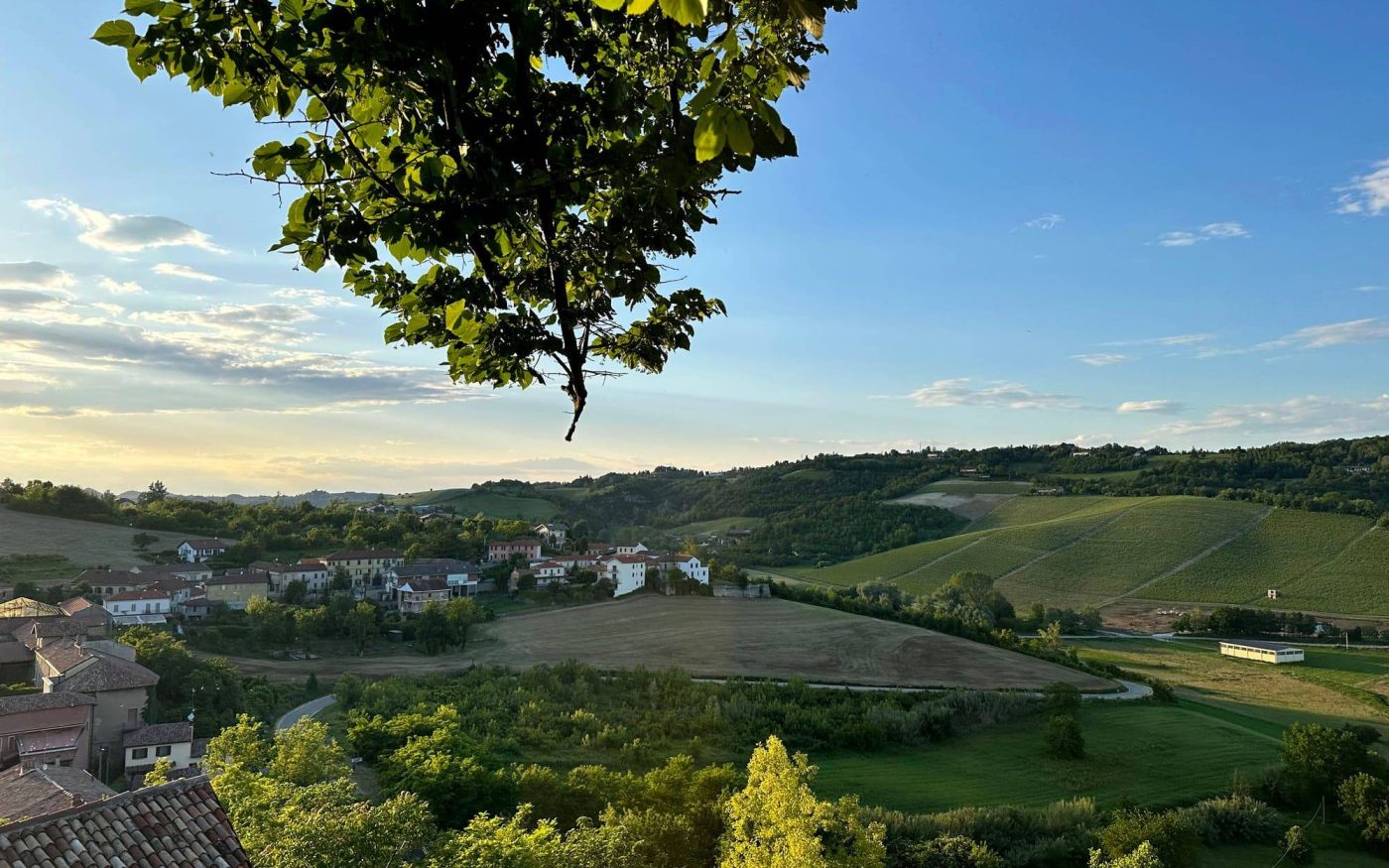
They have their own characteristics, both in landscape and flavors, and require a dedicated look, capable of highlighting their differences without flattening them.
Telling their story means moving beyond established logic and building a new language, more true to reality and less tied to comparison.
In recent years we have started working in an increasingly concrete way on these territories with our tour operator: we have designed experiences, organized tastings, built itineraries, and launched projects that focus on food and wine and direct contact with the landscape and the people.
This work has led us to build relationships with producers, artisans, and local businesses that contribute every day to defining the identity of these areas, which are absolutely worth discovering.
It is precisely from this continuous dialogue that a clear awareness is born: there is still much to tell. Not because Roero and Monferrato are little-known places, but because they have often been observed only in part, without a narrative capable of conveying all their complexity.
From these premises, LoveRoero and LoveMonferrato are born—two brands that mark the beginning of a new phase of our journey. It is not simply about two new brands, but about the development of dedicated content, experiences, and collaborations.
In the coming months, new initiatives, events, and editorial projects will take shape, directly involving those who live and work in these areas with the intention of building a narrative that is not just descriptive, but manages to convey the real value of these places, highlighting what makes them unique.
What we are starting is not a short-term project, but a path destined to evolve over time. The goal is to accompany the growth of an increasingly concrete interest toward Roero and Monferrato, offering tools and content that allow you to discover them in a conscious way.
If the Langhe represented the beginning, today Roero and Monferrato are a natural continuation of that story.
A step that does not replace, but enriches, opening new possibilities for exploration. And the certainty, more than just a feeling, is that there is still much to see, to experience, and to tell.