Wandering in Langa
Discovering the Tanaro Valley A detour worth the trip between Nucetto and Bagnasco
May 27, 2026

If you’re heading to the sea and choose to pass through the Langhe, there’s an area that deserves to make you slow down and change your plans, even if only for a few hours. It’s the Tanaro Valley, an area bordering the Langhe that we want to tell you about because, while remaining more secluded, it holds a heritage of villages, nature, stories, and flavors that are truly worth getting to know.
Between Nucetto and Bagnasco, you’ll encounter small towns, ancient memories, mills still in operation, chestnut groves, and a rural culture that continues to leave its mark.
It’s a lesser-known part of Piedmont, but one capable of surprising you at every turn.
It’s a lesser-known part of Piedmont, but one capable of surprising you at every turn, especially if you want to get off the beaten path and treat yourself to a different kind of break.
The journey can begin in Nucetto, a village that tells its story through very different places, all linked by a common thread: memory.
The Historical Museum of Nucetto and the Upper Tanaro Valley, founded in 2012 thanks to a collaboration with the “La Marina” Regiment Association, is a small treasure trove of memories.
Its seven rooms lead you through legends, traditions, and military testimonies, in a journey that combines folk tales and local identity.
The first room welcomes visitors with a phrase that seems to encapsulate the spirit of the place:
Where legend spins its tales, history begins.
And it’s right from here that the mysterious Jumarre takes shape—the creature of the Bagnasco caves that continues to fascinate the valley’s imagination.
Alongside this tale lives the memory of the La Marina Regiment, the Piedmontese infantry, which has represented an important reference for local history since 1714. Even today, the historical group participates in re-enactments and ceremonies, keeping alive a heritage that belongs to the community.
Also in Nucetto, another museum tells a story of ingenuity and expectations: that of the Ceva – Ormea railway line.
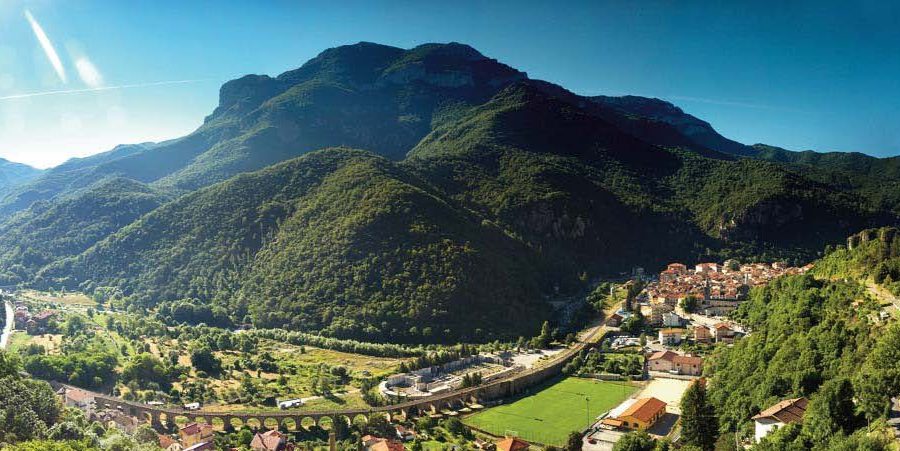
Inaugurated in 1893, it was intended to connect the valley to the Ligurian coast via the Col di Nava. That project was never completed, but what remains is a fascinating story of the relationship between infrastructure, hopes, and the transformation of the territory.
Panels, photographs, reconstructions, and a 19th-century freight car accompany you on this journey through time. Outside, a reconstructed section of track seems to still be waiting for a train that will never arrive, but which continues to live on in the collective memory.
Among the most interesting surprises in the village is Stefano’s workshop, a baker who chose to start from tradition to innovate his craft.
His oven is fueled by hazelnut shells from the Alta Langa, a natural, renewable, and zero-mile fuel, while the flours come from ancient grains like enkir, ground by Mulino Marino.
Thanks to sourdough starter and long proofing times, he kneads in the evening and bakes in the morning, resulting in bread that is digestible, fragrant, and deeply connected to its surroundings.
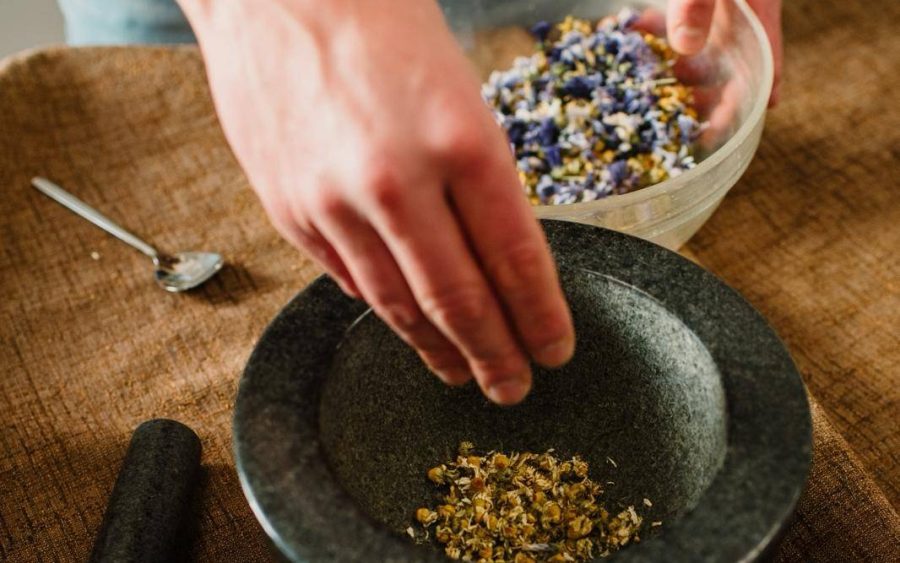
In the workshop, you can experience cooking classes, tastings, and moments of discovery that transform bread into a tangible story of territory, research, and craftsmanship.
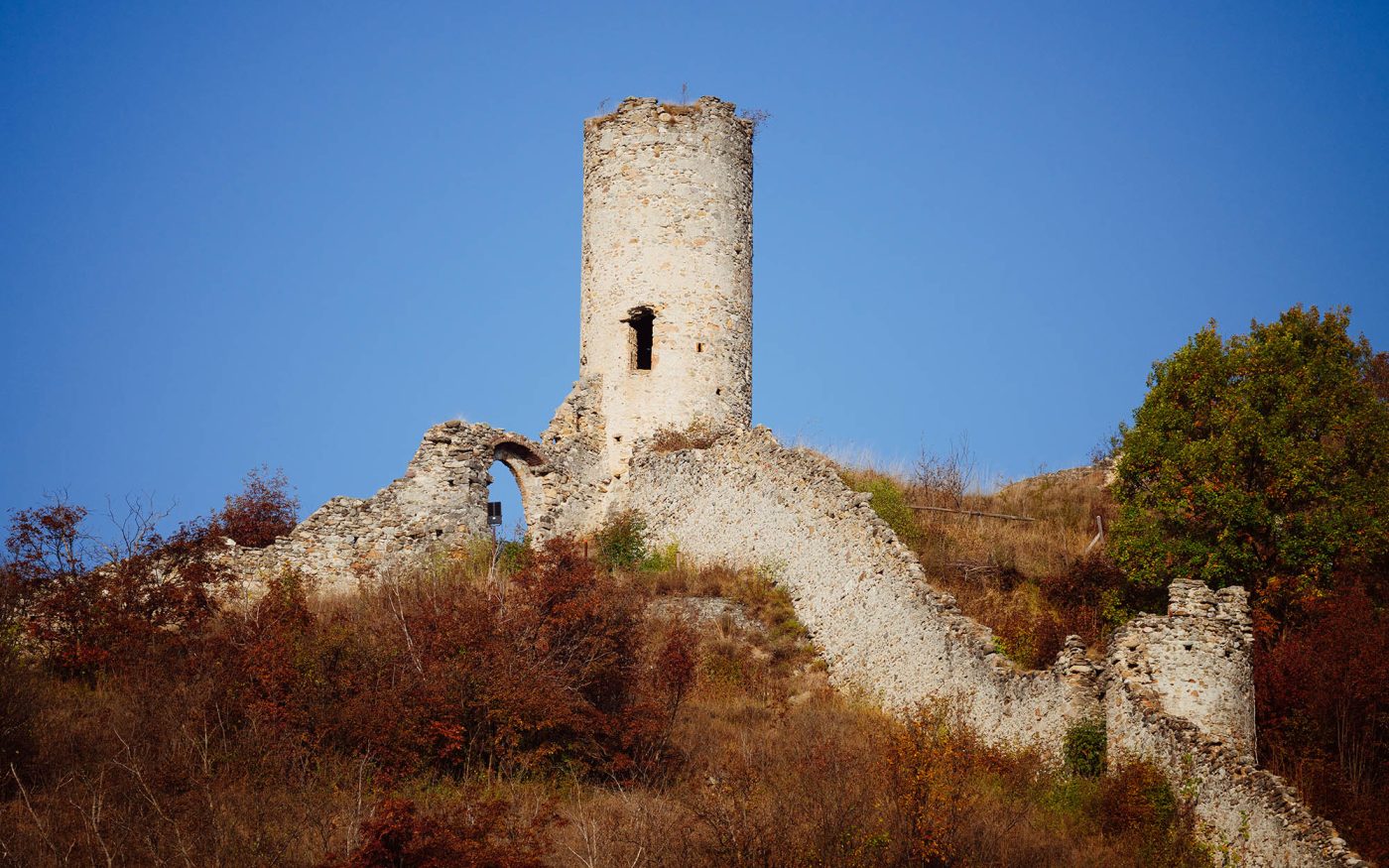
Nucetto continues to tell its story outside the museums as well. The castle dominates the village and offers suggestive views of the valley, while the deconsecrated church now hosts events and tastings in a cultural and hospitality space that adds another piece to the village’s character.
In autumn, the village comes alive with the Chickpea Festival, held every second Sunday of October, celebrating one of the area’s symbolic products. It’s one of those events that manages to bring together community, cuisine, and the curiosity of visitors.
A few kilometers from Nucetto, you’ll find Bagnasco, which welcomes you with its square dominated by the Church of Santa Margherita and an atmosphere that combines nature, farming knowledge, and everyday memory.
Here, the visit can start at Laura’s educational garden, where you can discover the technique of vasocottura (jar cooking), a preservation method that combines ancient wisdom with a focus on sustainability.
The journey continues in the preserve cellar, a place that speaks of seasons, patient hands, and passed-down recipes, restoring the most concrete sense of home cooking and the relationship with time.
Between the woods and the Tanaro, Bagnasco also guards one of the valley’s most significant places: the San Sebastiano Mill, among the last authentic examples of traditional milling in the Tanaro Valley. For generations, buckwheat, corn, dried chestnuts, and poor grains that fed local families have been ground here.
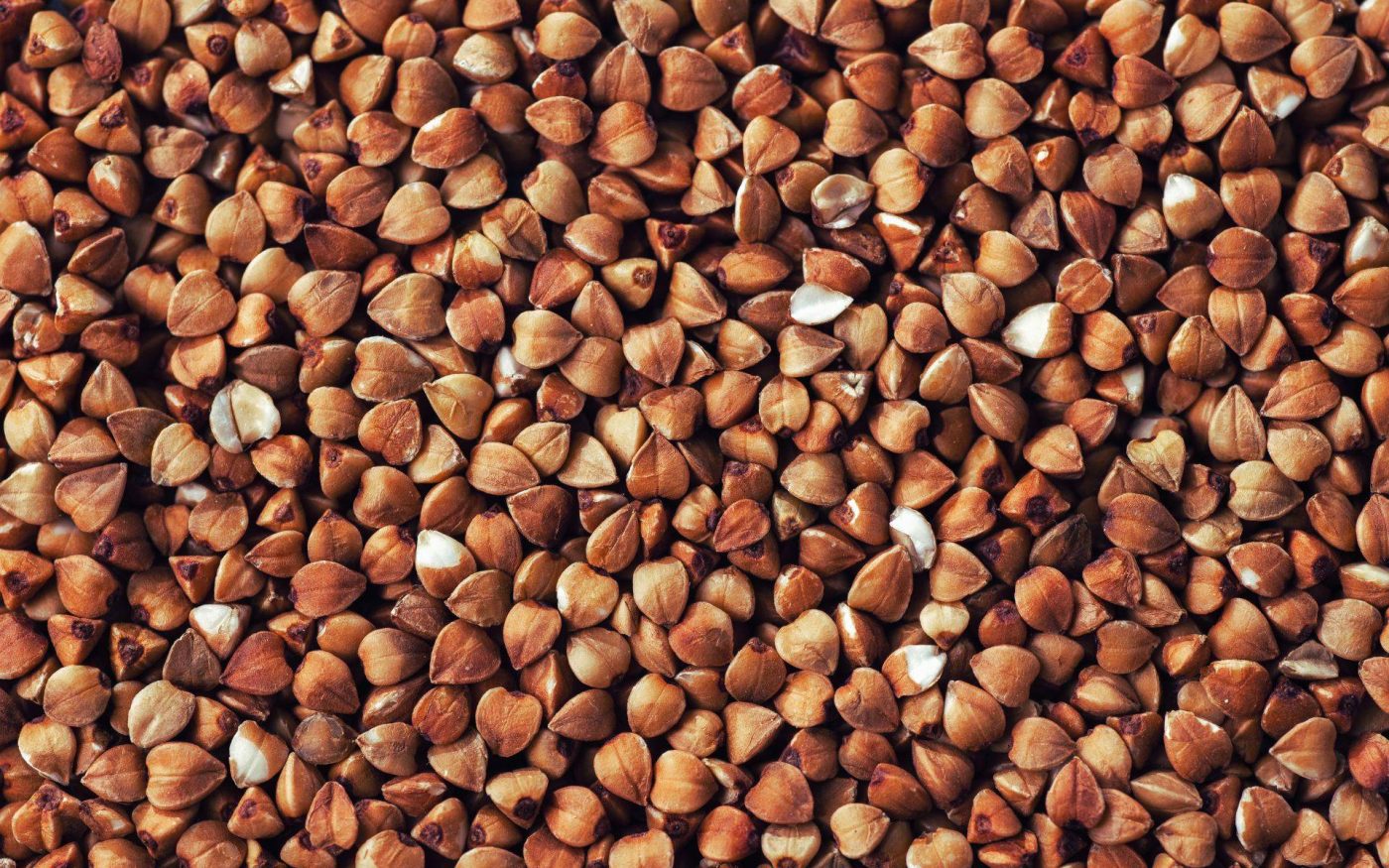
The natural stone millstone, restored and still functional, works slowly without overheating the grain, preserving aromas, essential oils, and nutritional properties. It’s an ancient technology that is once again becoming precious for those seeking genuine flours and authentic flavors.
To get there, you cross the historic Roman Aqueduct bridge, a very suggestive passage that seems to lead into another era. During tours, the mill also becomes a place to taste the Bagnasco white bean, white polenta, and other local products that tell the story of simple, mountain cuisine.
Around Bagnasco, a more dynamic dimension opens up, consisting of walks in the chestnut groves, excursions to the historic coal mine, and rock climbing for those who want to experience the mountains more actively.
These are opportunities that add depth to the visit and show how the valley isn’t limited to its villages, but continues to be discovered through walking, elevation gain, and direct contact with the environment.
Among the most heartfelt moments of the year is the Bagnasco Living Nativity, which brings the village streets to life on December 24, 26, and 28.
It’s not just a performance, but a true transformation of the village into a small ancient world made of lights, costumes, and traditions, capable of involving both those who watch and those who participate.
For us, telling the story of the Tanaro Valley also means creating concrete opportunities to get to know it with more time and attention, together with those who live there every day.
For us, telling the story of the Tanaro Valley also means creating concrete opportunities to get to know it with more time and attention, together with those who live there every day.
The proposals dedicated to this area are born from this perspective: to accompany you on a discovery of a lesser-known valley, rich in stories, encounters, and places that deserve a real stop, not just a passing glance.
Among the itineraries already designed for this part of Piedmont, we suggest the Autumn Tour in the Tanaro Valley and Hands in Flour: Mills and Nature in the Tanaro Valley, two different experiences that follow the seasons and atmospheres of the valley.

by Nicolas Roncea
Special


