Resté Staying to rediscover
Business Hours
Closing Day
Holidays
There is a different way to explore the Langhe: not in a hurry, not as spectators, but as protagonists. Resté, which in Piedmontese means “to stay”, is a cultural project that invites to slow down, enter into relationship with the territory and experience it deeply, weaving together art, nature, history and community.
An immersive journey that starts from the towns of Rodello, Montelupo Albese and Diano d’Alba, guided by the historical figure of Count Rangone, to rediscover landscapes, architecture and stories through new perspectives and new forms of storytelling.
Born from an initiative by the Parish of Rodello and developed with the contribution of cultural and artistic realities of the territory, including Lucy sulla cultura, UnTerritorio ETS, Magog, Arvangia, Resté networks hiking trails, theatrical proposals, artistic installations and recreational paths, creating an experience accessible to everyone.
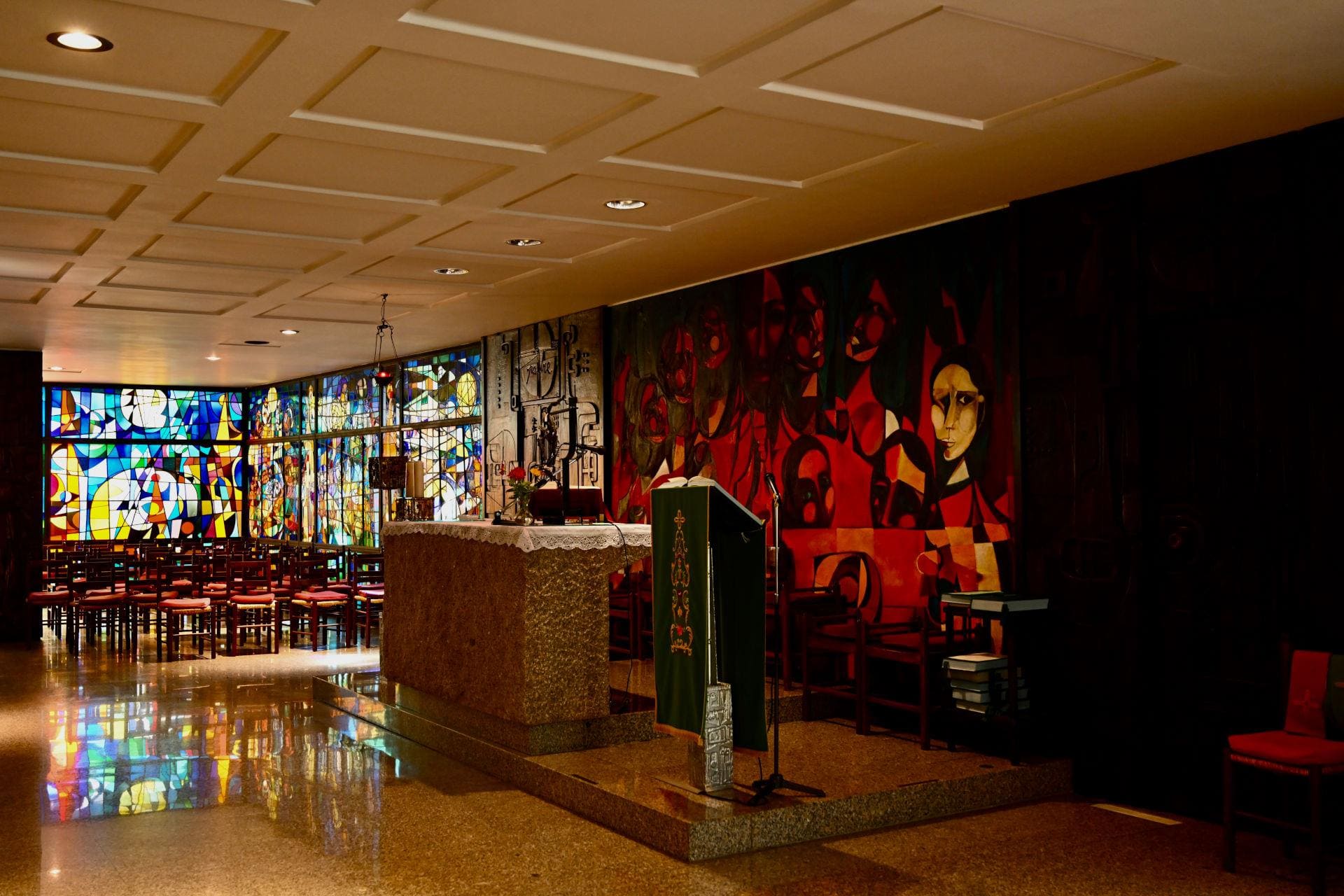
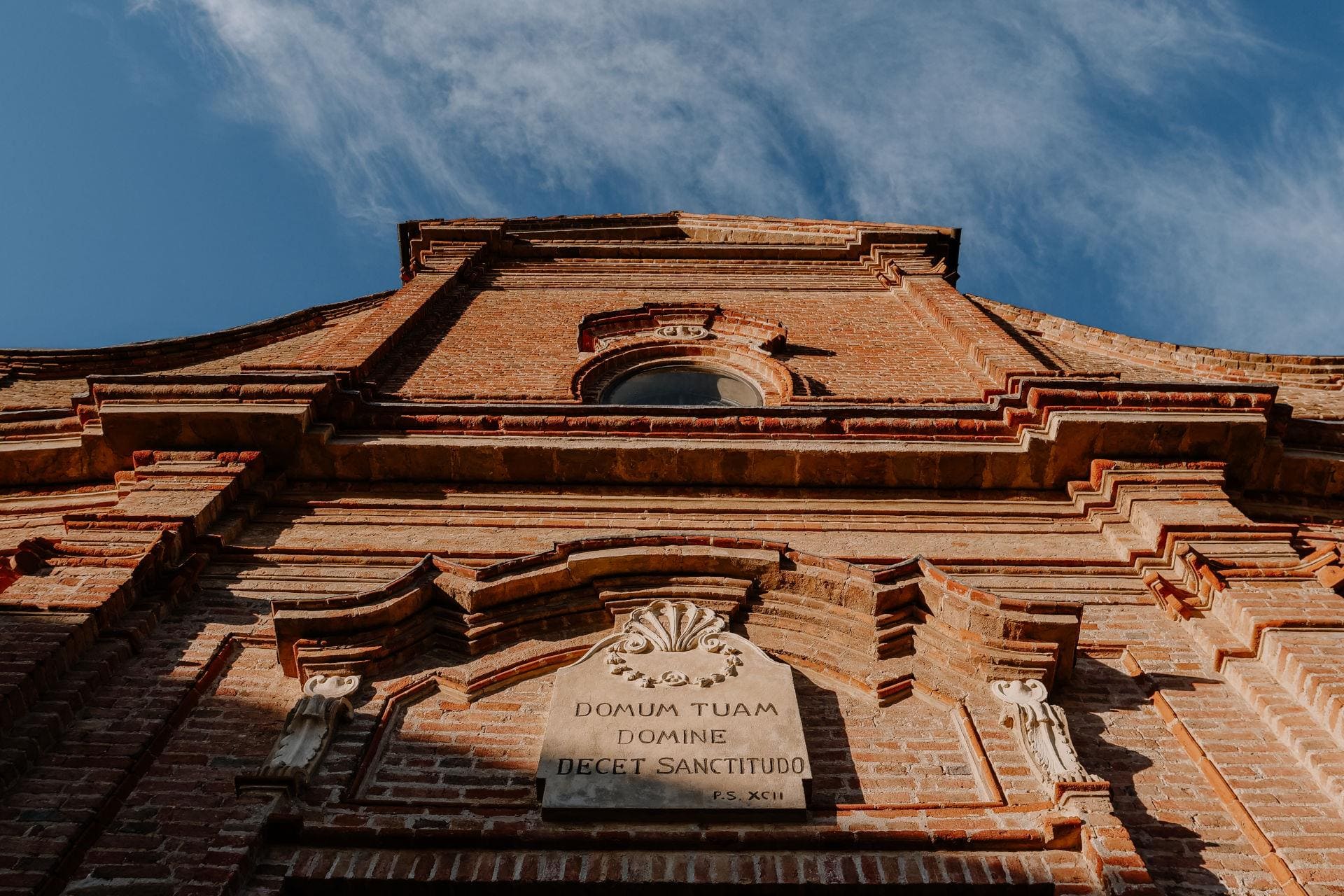
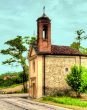
In 1970, Dedalo Montali, an artist with wide national and international experience, was entrusted with the design and furnishing of the chapel dedicated to Saint John XXIII, the “Good Pope”
Located in the heart of the village, it preserves rich interior decorations and a scenographic spatial layout that highlight its role as the spiritual and cultural center of the community. Today it is also one of the symbolic places of the Resté project, a bridge between history and contemporaneity
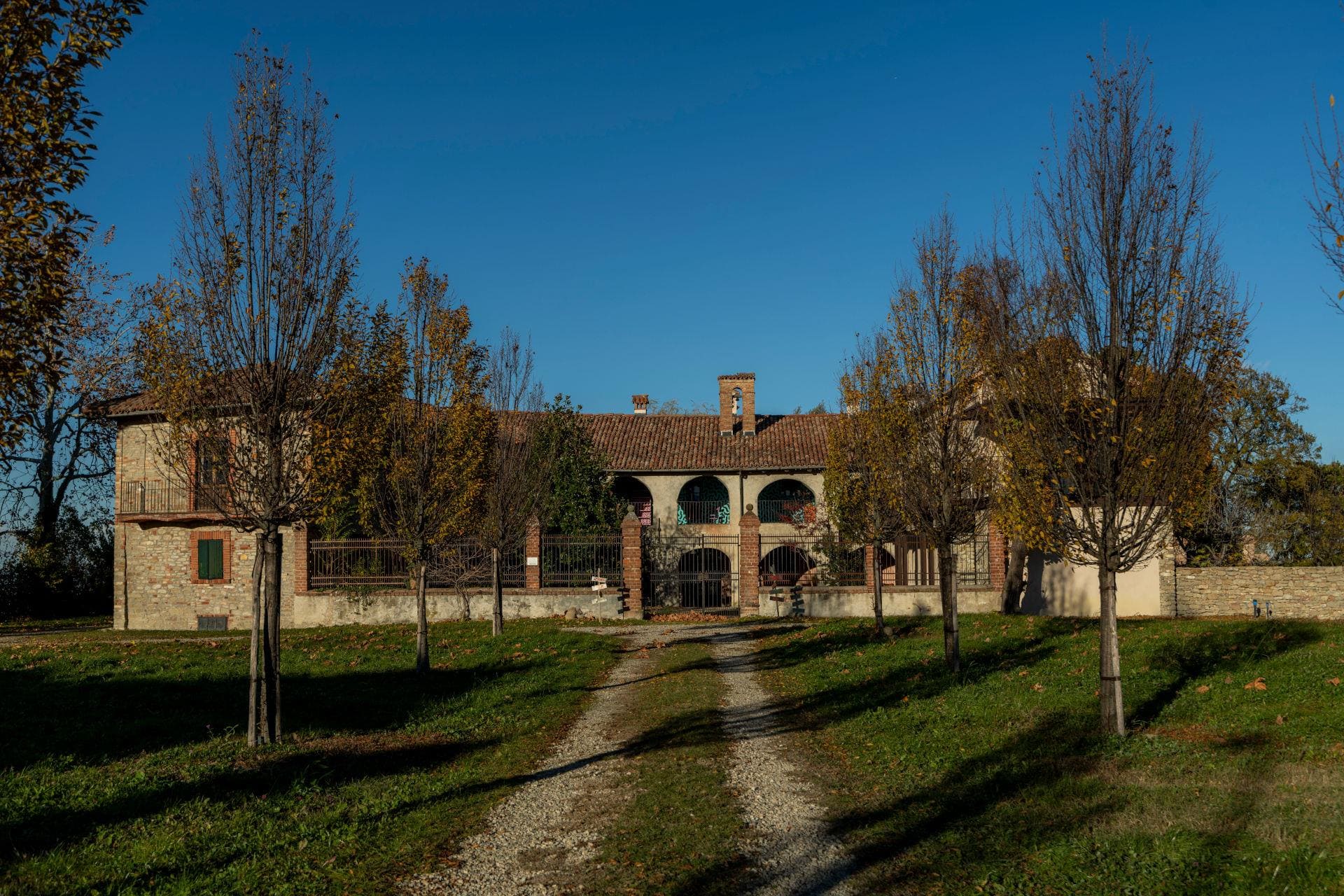
An ancient Augustinian convent transformed into a noble residence by the Rangone family in the 17th–18th century. During the 18th century, the hill next to the palace was levelled (“spianamento”) to create a large flat park, rare in the Langhe, with a panoramic belvedere
Places and artists
A journey into the artistic soul of Rodello
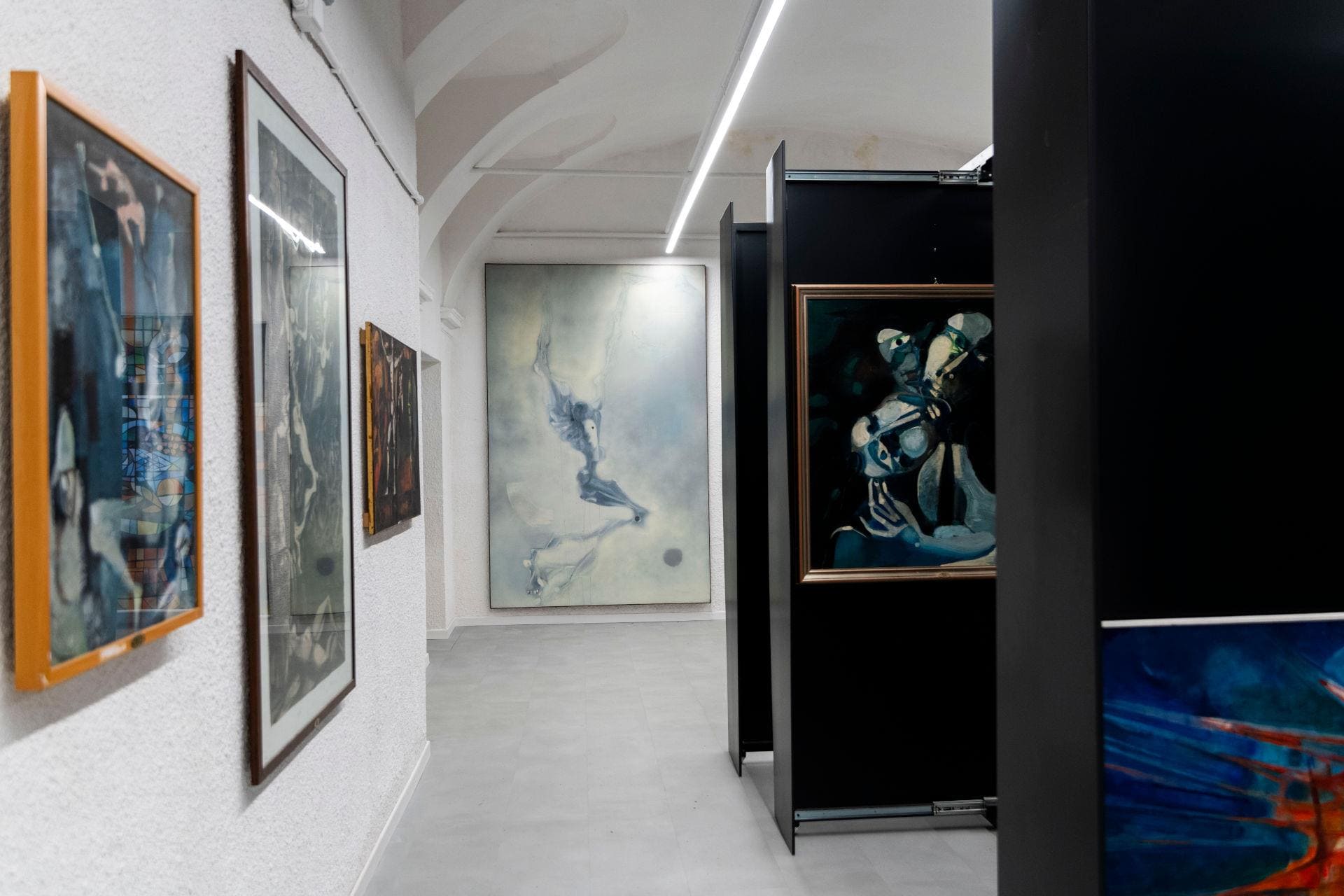
The heart of the initiative is the Museum of contemporary sacred art “Dedalo Montali” in Rodello, housed in the Church of the Immaculate in Rodello: a journey through ten works by Montali and two imposing works by Piero Ruggeri, then the works of Simondo, Ramella, Sandri and Monio.
In network with the museum, the Chapel of “La Residenza” complex houses Montali’s “total work” – frescoes, stained glass windows and decorations – in a touching Christological vision.
The museum also hosts contemporary interventions: works by the duo Vèrnis, with a reflection on the animal world, the “environmental” totem made of waste that comes back to life by Matteo Ambu and, outside, the “Resté” mural by Seb Toussaint.
From Diano to Montelupo: the widespread artistic path of Resté
Finally, the photographic and human research by Luca Bortolato, "we are landscape". Montelupo Albese closes the path with the "Munuiv" mural by Seb Toussaint at the belvedere.
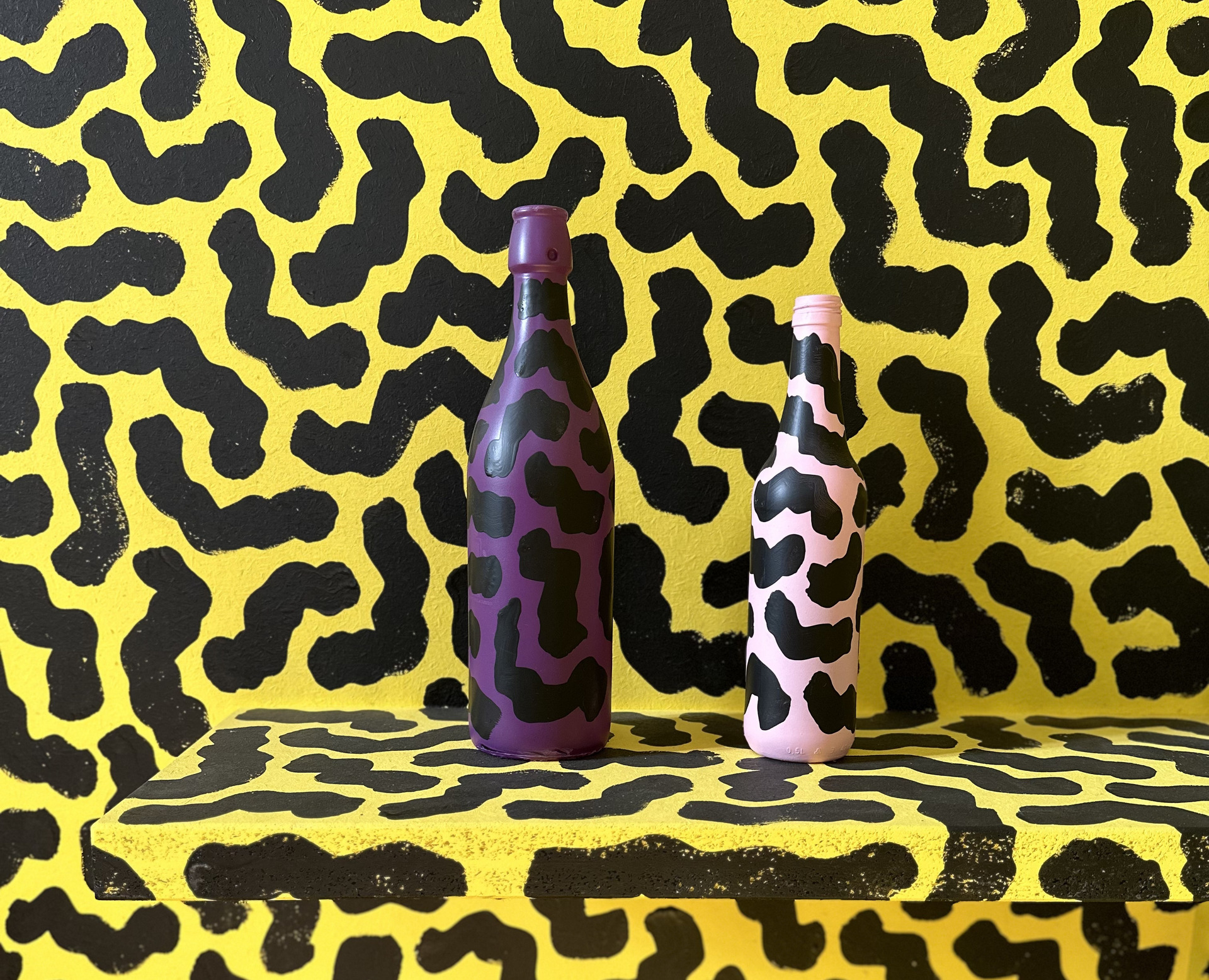
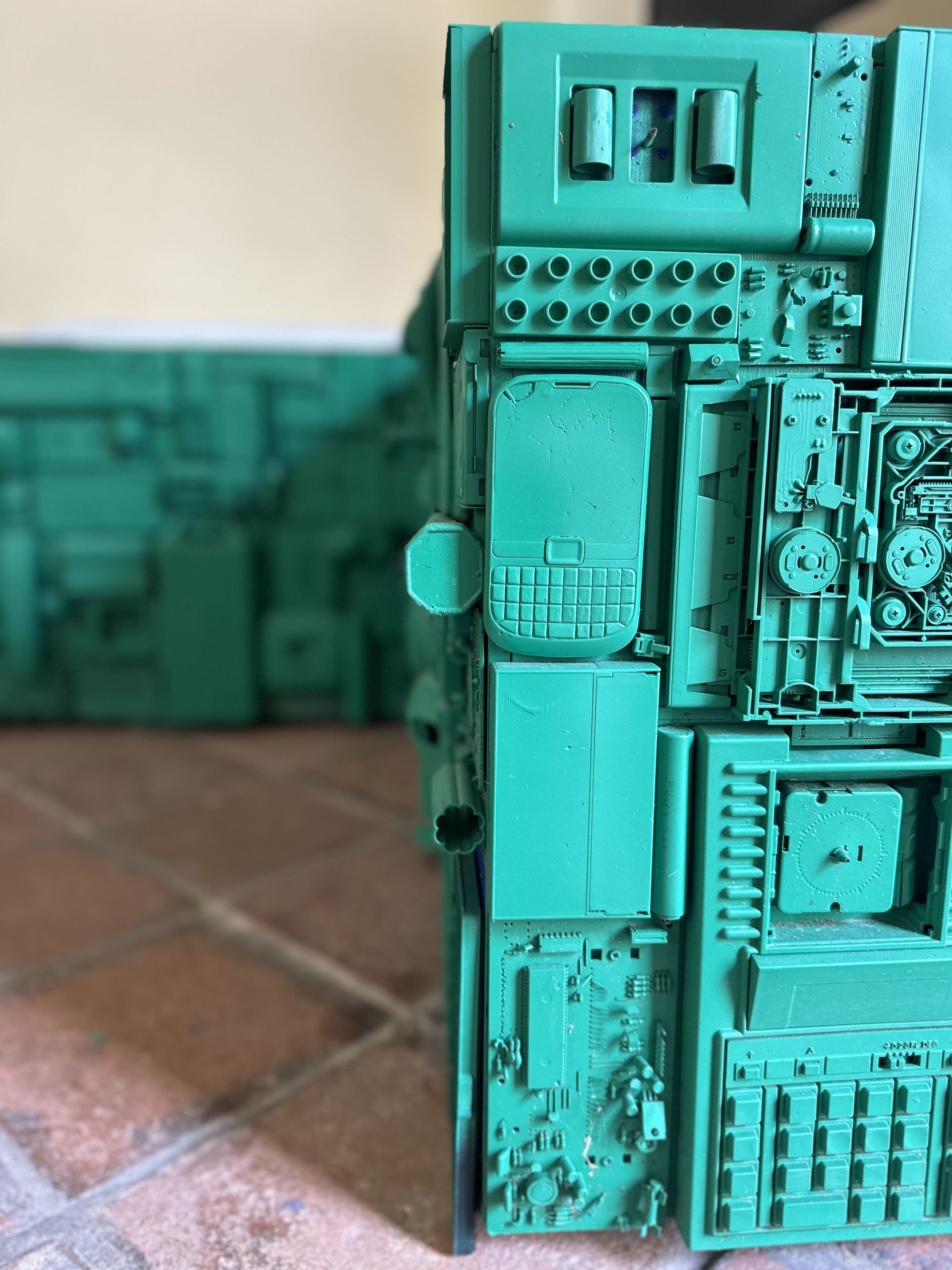
The works on display, created by artists John Blond, Seb Toussaint, Luca Bortolato, Jacopo Mandich, Vërnis and Matteo Ambu, are the result of artistic residencies—an experience of dialogue and experimentation with the landscape and the local community
Housed in the Church of the Immacolata in Rodello, it is a crossroads between sacred art and contemporary languages. Between Baroque architecture and modern visions, the museum hosts works by Montali, Ruggeri, Ramella, Vèrnis and other artists, in a deep dialogue between spirituality, landscape and creativity
An artist who transforms discarded materials into playful “eco-sculptures”, reflecting on consumption and recycling with poetry and lightness
The stories
Architecture, spirituality, land: three perspectives on the territory
Stories that intertwine like invisible threads that cross the landscape and the memory of the villages: the personal self becomes spokesperson for the place, and each figure becomes voice of the collective narrative.
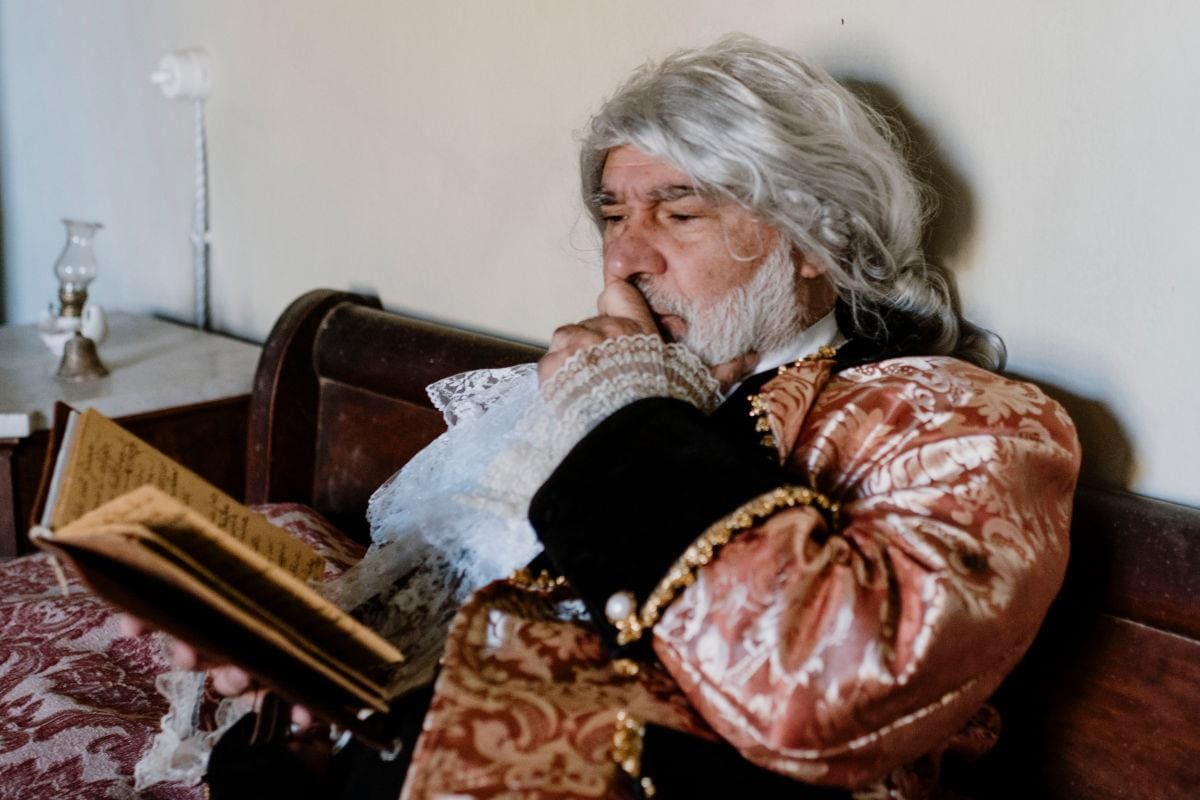
At the center of the story stands the figure of Count Carlo Francesco Rangone, lord and 18th-century visionary, who designs and shapes architecture, leaves marks on the territory and contains within his time the seed of the narrative that reveals itself today.
Beside him, Parish Priest Don Mattia lives his ministry as daily commitment, a bridge between spirituality, community and care of the human landscape that surrounds him.
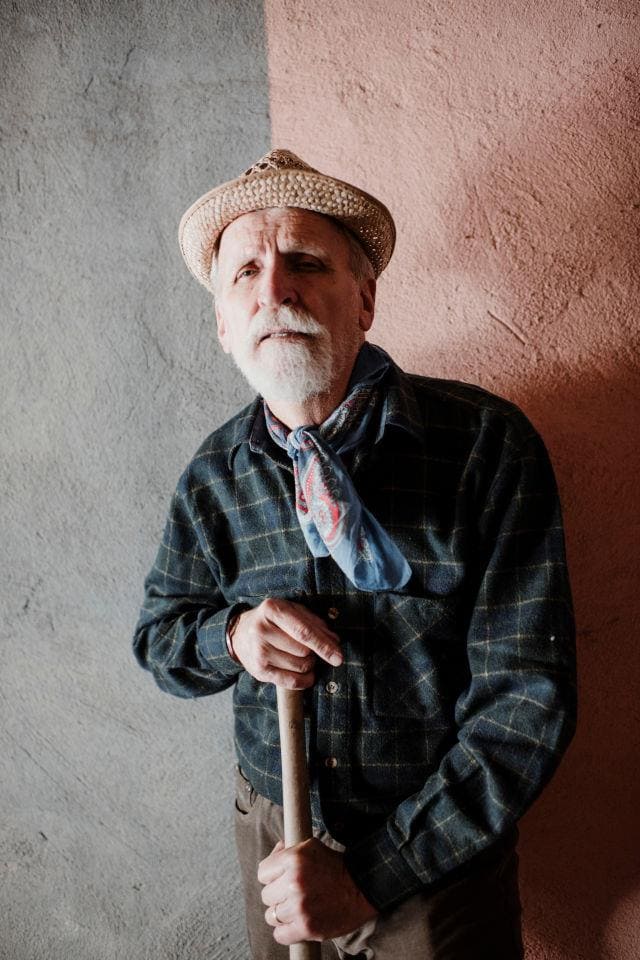
The figure of Farmer Giovanni (called Giuanin), who works the land, knows the daily rituals of the countryside, guards the agricultural memory and reminds us that every story, before being narrative, is relationship with the land.
The feminine souls of the landscape
The Masca (Margherita called Ghitin) carries with her ancient traditions, folk knowledge and a sense of mystery linked to nature and the supernatural.
The Girl Gemma, young and sensitive, questions the present, becomes the embodiment of a desire for discovery, suspended between memory and future.
The Chisinera Clotilde (Tilde), perhaps linked to domestic or feminine work, stands on the borders of visibility and care, embodying an essential but often silent role.
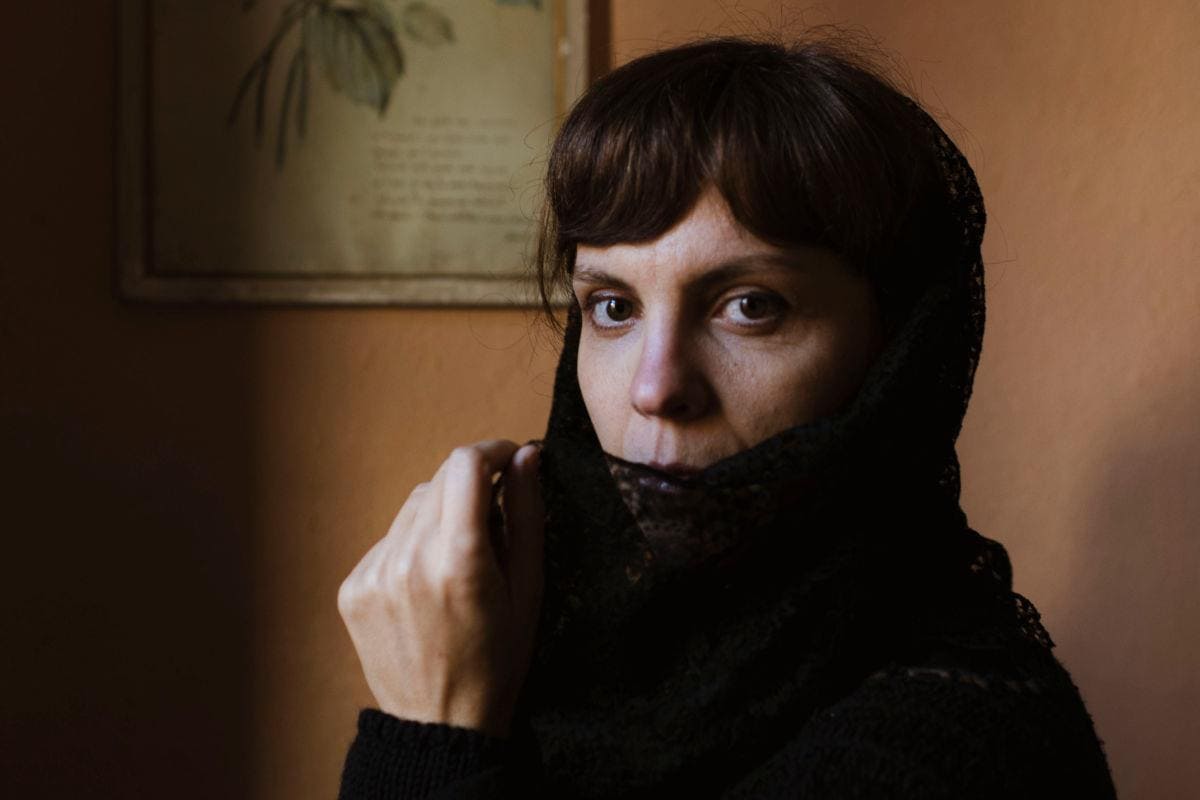
Among herbs, silences and ancient beliefs, the Masca preserves a knowledge that escapes definition, suspended between healing and enchantment
Giuanin does not tell stories: he plants them, prunes them, harvests them. And in his everyday life, the landscape becomes a living voice
Stories are not isolated characters but stages of a journey: they are languages that resonate in villages, stones, paths, and in the lives that still “remain”