Exploring Langa
Cycle tourism in Langa: a different way to cross it
May 15, 2026

Cycle tourism in Langa is no longer a niche for enthusiasts: today it is one of the most popular ways to discover the area.
This is confirmed by Giovanni Chiera, a Piedmont Region cycling guide and founder of Granda Bike Tour, who has been observing the evolution of this phenomenon closely for years.
In the last two years, he says, growth has been “double-digit,” with an increase exceeding 10–12% on a national basis, which is even more marked in Langa, Monferrato, and Roero.
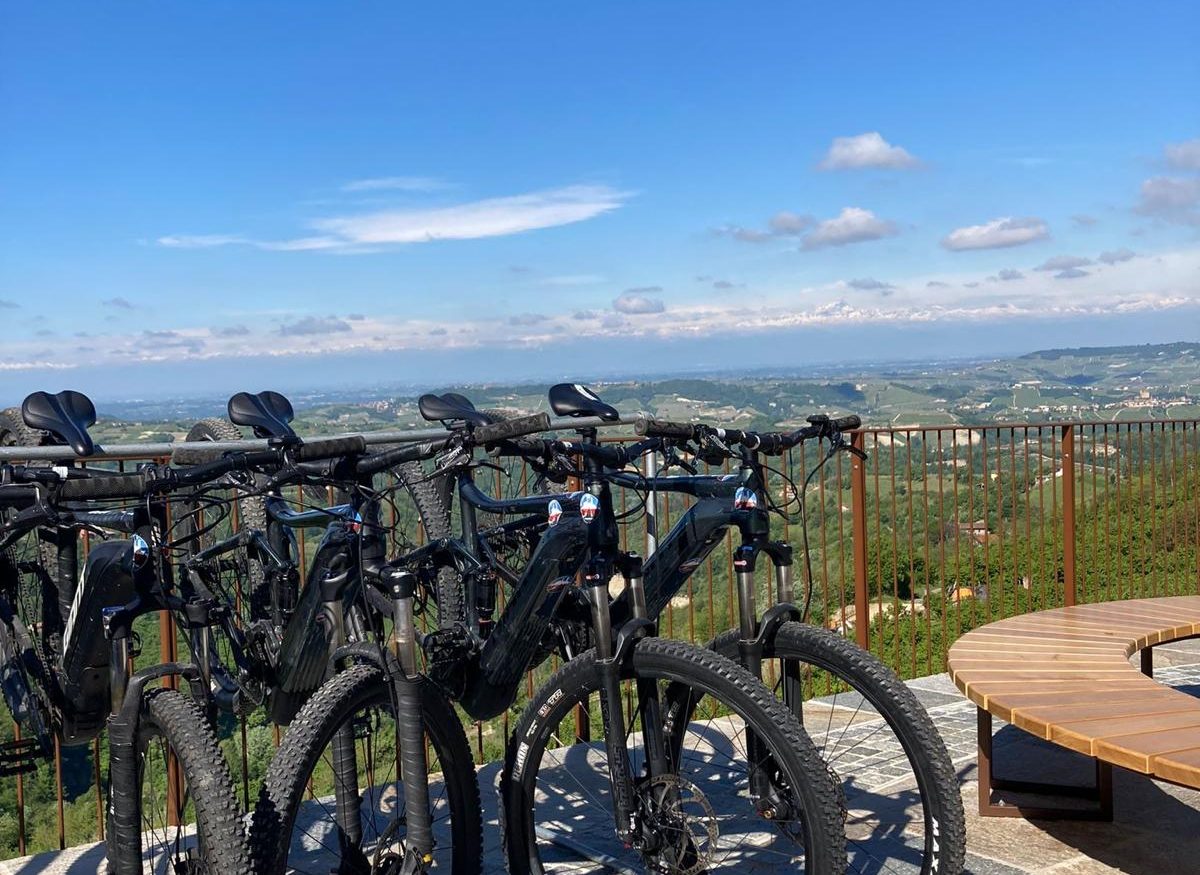
A boom with clear roots: the arrival of E-bikes, the post-Covid desire to get back to nature, and the spread of gravel, the touring bike that allows for long distances on dirt and gravel roads.
Langa is a territory that “works” by bike.
Langa is a territory that “works” by bike.
Not just for the beauty of the landscapes, but for the variety of routes: from the rolling hills of Barolo to the gravel roads of Alta Langa, from historic villages to UNESCO World Heritage vineyards.
According to Giovanni, the bike allows you to experience all this at a different pace:
With a standard bike you cover a certain mileage, with an E-bike you visit much more. And above all, you do it without having to be an athlete.
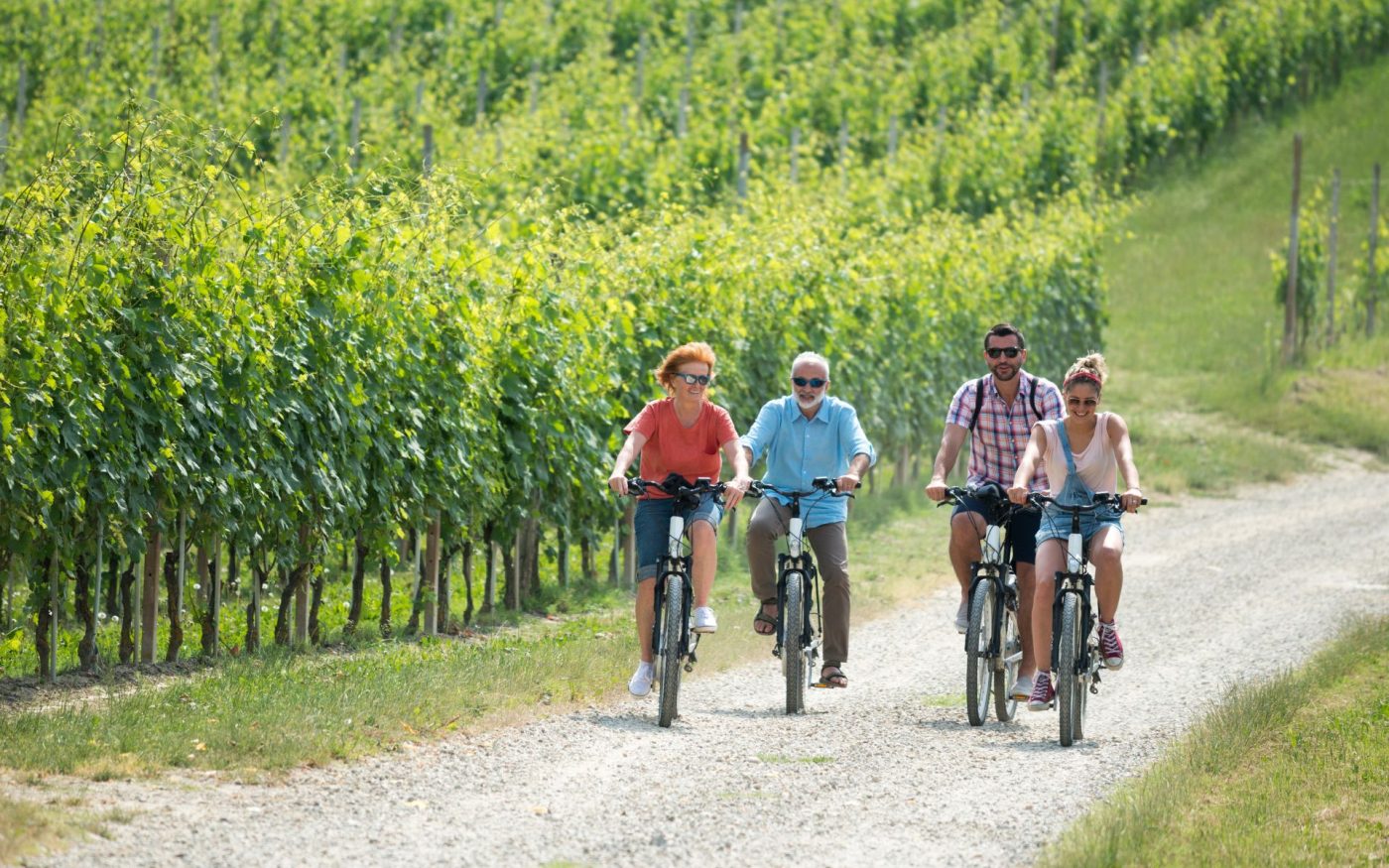
Cycle tourism, in fact, has become accessible to a much wider audience: families, groups of friends, people who aren’t particularly fit, but also expert cyclists looking for multi-day itineraries.
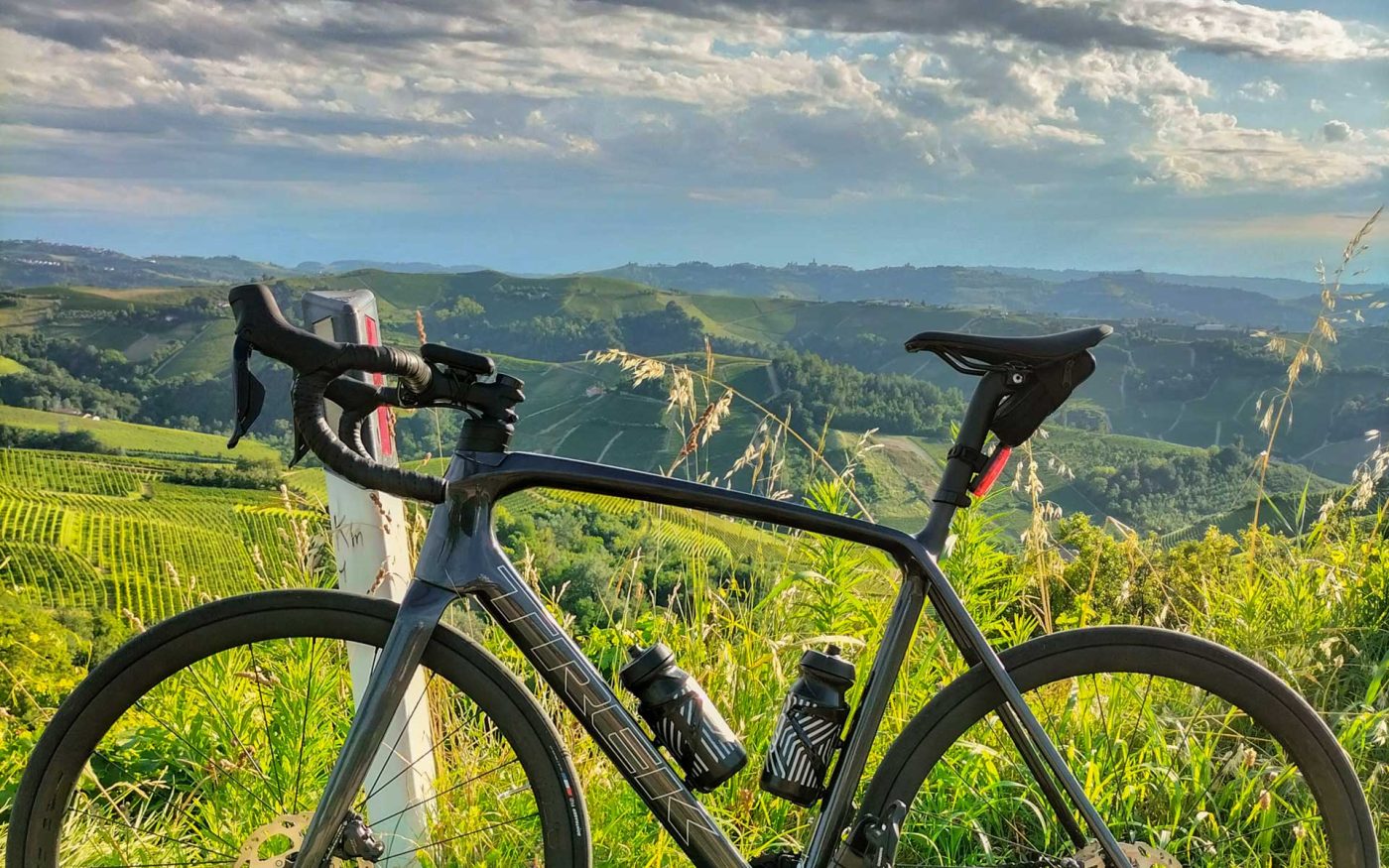
Gravel, in particular, is exploding: simple but long routes, gravel roads, 2 to 5-day stages, panniers, and self-sufficiency.
A way of traveling that appeals especially to the Northern European public.
The cycle tourist is not a “hit and run” visitor. They are a traveler who:
A Northern European cycle tourist can spend between 100 and 150 euros per day per person.
Above all, those who come here don’t just visit: they look for authentic experiences, such as tastings, educational visits, and opportunities for direct contact with producers.
It is a slow, curious, and respectful tourism, capable of generating widespread value for the entire territory.
The audience is mainly composed of foreigners, representing 70–80% of the total, while Italians account for 20 to 30%. Denmark, Sweden, Norway, the Netherlands: countries where the bike is part of daily life and where cycle tourism is already a well-established culture.
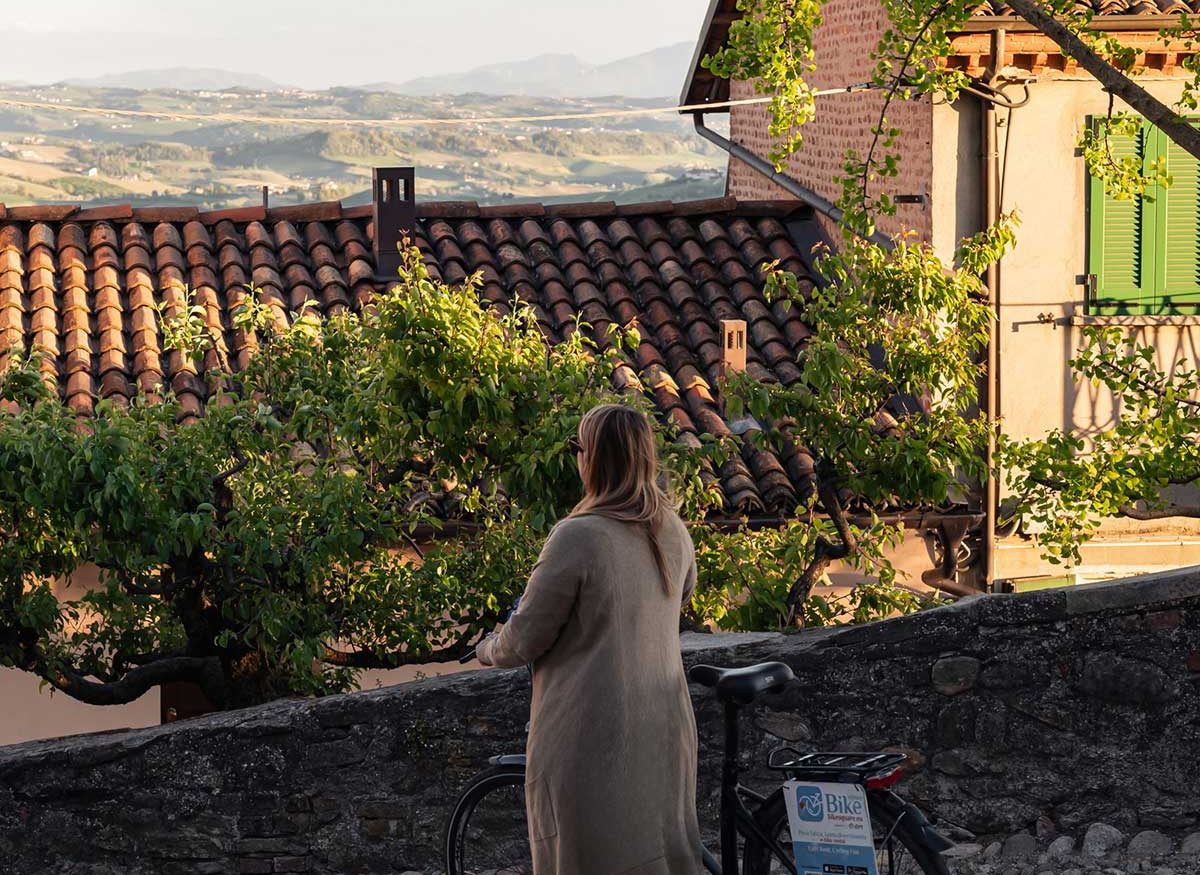
Foreigners stay for more days, look for structured itineraries, and are willing to invest more.
Italians come mainly for team building, bachelor/bachelorette parties, or one-day experiences; foreigners, on the other hand, stay for more days, look for structured itineraries, and are willing to invest more.
From this growth path, a new project is also born: the association of cycling guides Accompagnatori Cicloturistici Langhe, Roero e Monferrato, of which Giovanni is one of the promoters (for information you can contact the association).
The project brings together professionals who live and work permanently in Langa, Monferrato, and Roero, highlighting a deep-rooted presence in these areas and certified skills.
Another goal is to increase the quality of the experience through continuous training dedicated to topics such as the history of the truffle, the culture of Barolo, the psychology of tourism, safety, and knowledge of the routes.
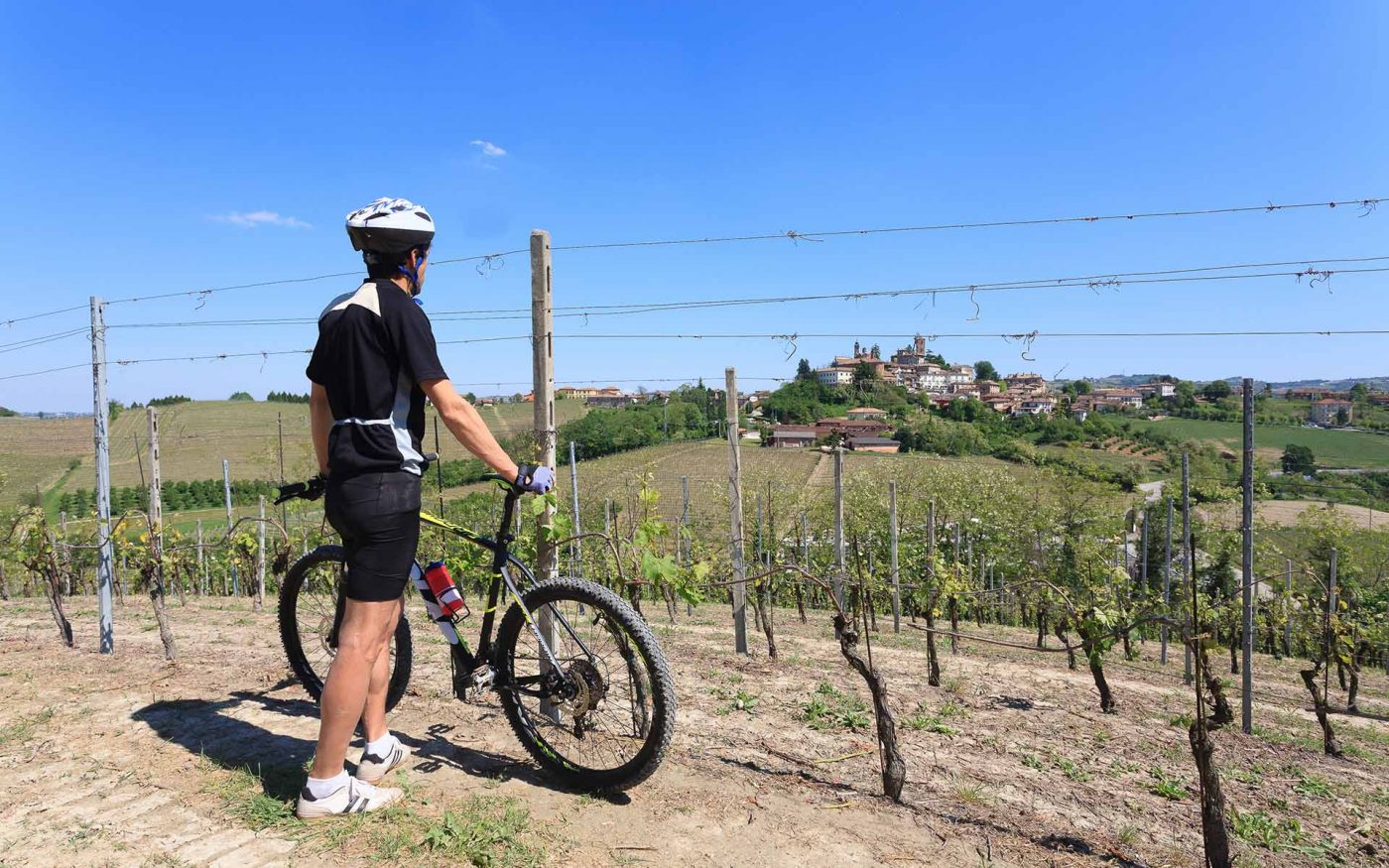
The association is made up of cycling guides certified by the Piedmont Region, with official badges and specific specializations such as e-bike, gravel, mountain bike, and hand-bike: an element that strengthens the project’s identity and offers participants a prepared, aware, and reliable reference.
When talking about Langa, there is no single “representative itinerary.”
There is a constellation of routes that tell different stories, all linked by a common thread: wine, landscapes, villages, peasant culture, and food and wine.
If you’d like some suggestions, here are some ideas to get you started:
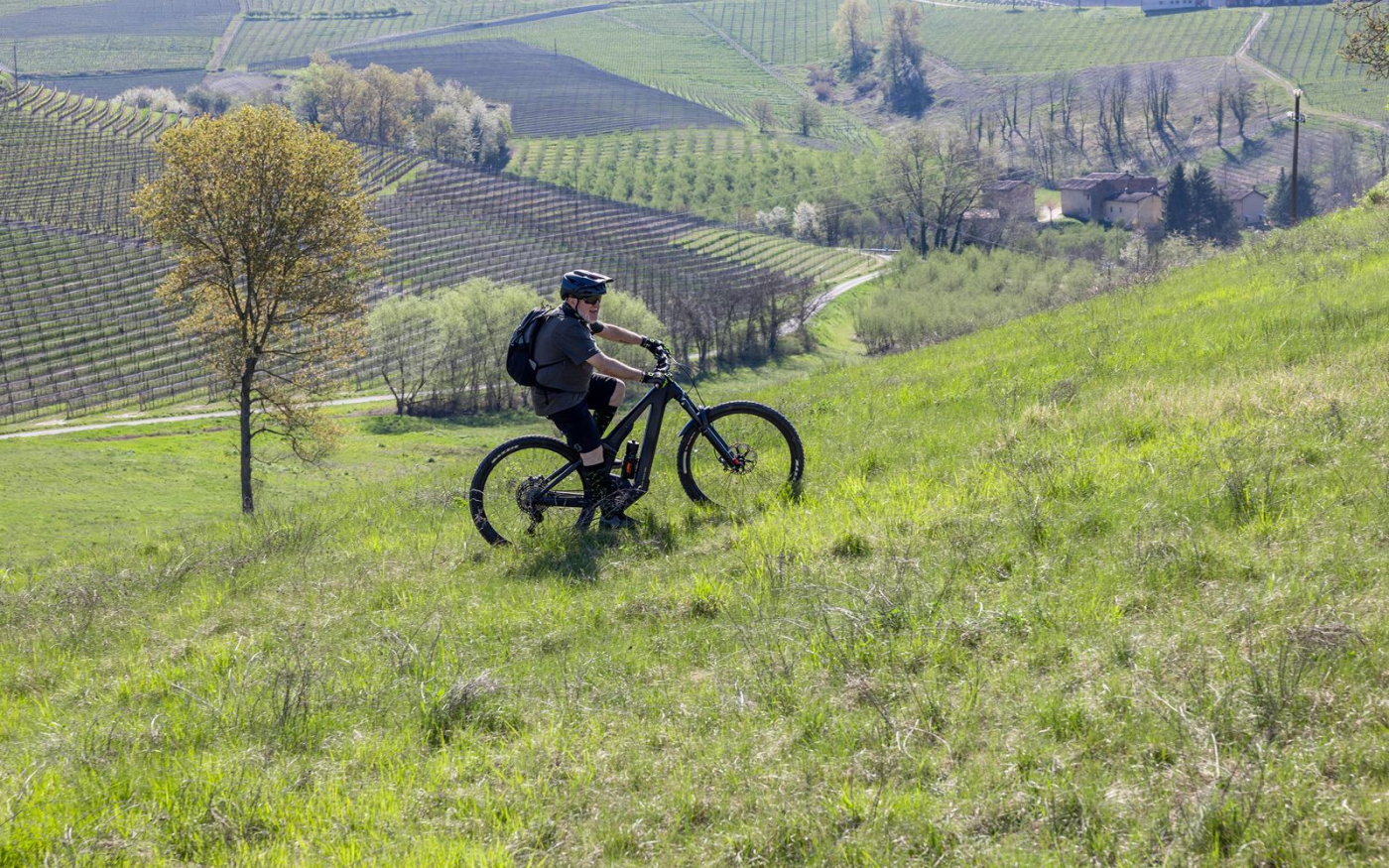
Cycle tourism is a way of connecting with a landscape, with the people who inhabit it, with its rhythms; and Langa, with its strong identity and its welcoming spirit, has become one of the most desired destinations in Europe.
Thanks to guides like Giovanni Chiera and the emerging association, this movement is becoming increasingly structured, professional, and sustainable.
An invitation to discover Langa not just by looking at it, but by crossing it, one pedal stroke at a time.

by Nicolas Roncea
Special