Turin — Royal Museums Turin
Exhibition: the Scandalous and the Magnificent, 300 years of research on Industria and the cult of Isis in Piedmont
Turin celebrates the tricentennial of the Museum of Antiquities, formed in 1724, with a series of initiatives promoted by the Royal Museums to highlight the many souls the institution has had over its three centuries of existence
from Tuesday
10 September 2024
at 09:00
to Sunday
15 September 2024
at 19:00
Gagliardi da Brescia, writing to the poet Apostle Zeno, recalled how his friend Scipione Maffei, an important historian and playwright from Verona, was busy at that time “building a museum of inscriptions around the great courtyard” of theUniversity of Turin.
In the early stages of the Museum ‘s organization, artifacts from the excavation of Industria-a city reported by Pliny the Elder in the Naturalis Historia-began to play a key role, linked to the early investigations of Giuseppe Rivautella and Giovanni Ricolvi, who were soon incardinated atTurin University.
This is one of the reasons why the first exhibition-dossier of the tricentennial of the Museum of Antiquities was chosen to be dedicated to the excavation of Industria and the cult of Isis.
Focus on exposure
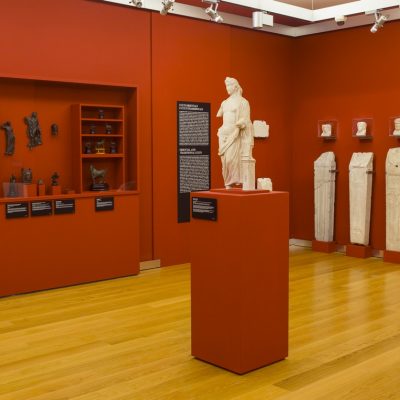
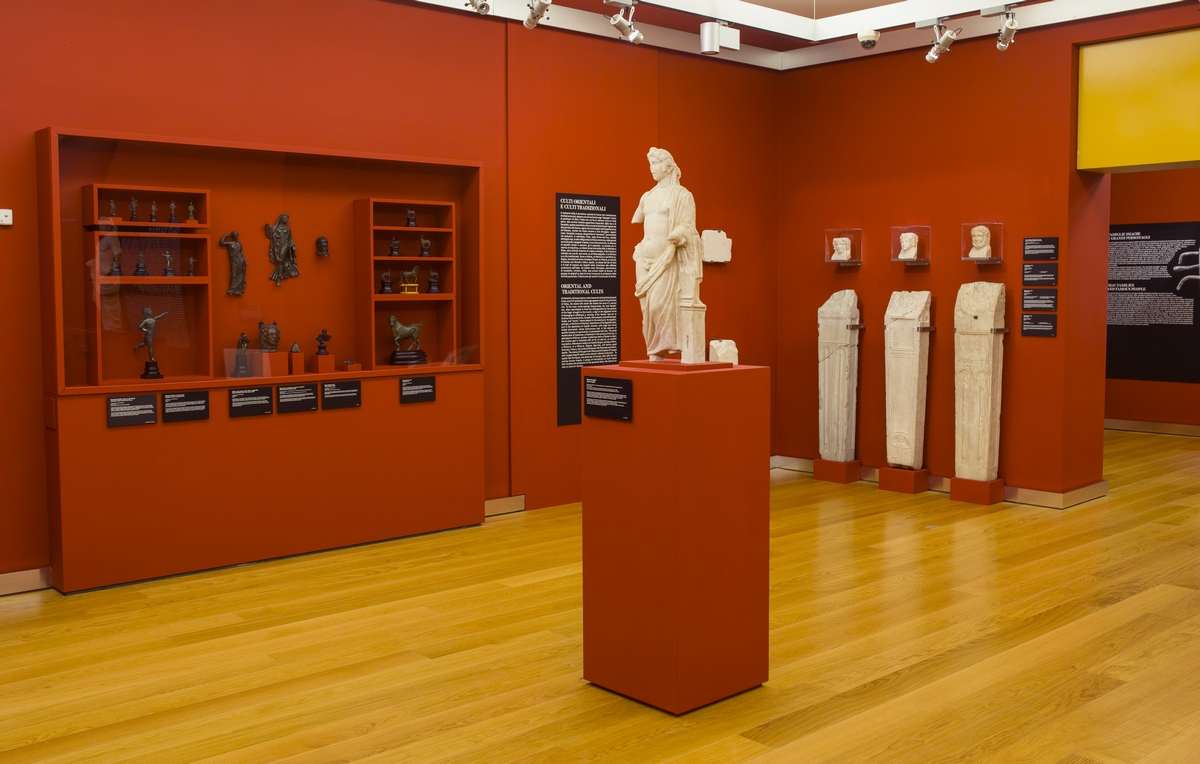
The exhibition, curated by archaeologist Elisa Panero of the Royal Museums, in collaboration with the University of Turin, offers a journey through the Roman city of Industria-Bodincomagus, an “alpine” center with strong cosmopolitan connotations, linking local, oriental cults and economic and cultural relations with the eastern Aegean.
The archaeological fortunes of the site have accompanied the history and events of the Turin museum and the Savoy house, among the oldest attestations in Italy of the cult of Isis, referred to as “La Scandalosa e la Magnifica” in the hymn from the 3rd-4th century AD found at Nag Hammadi in Egypt and dedicated to the Eastern goddess.
The exhibition traces its origins to the fascination with the East and Egypt cultivated by the Savoy since the sixteenth century, through the display of 75 objects including statues, statuettes and inscriptions, in bronze and marble, with particularly evocative works such as the Osiris Chronokrator – Lord of Time – wrapped in the coils of the serpent Aion, dated to the first half of the 2nd century AD – 3rd century AD, which entered the dynastic collections in 1612.
From the aforementioned archaeological area of Industria, now under the Regional Directorate of Museums of Piedmont, and located in the municipality of Monteu da Po (TO), comes the highly important series of bronzes, such as the Dancer, dated 1st-2nd century AD, discovered at the beginning of the nineteenth century by Count Bernardino Morra di Lauriano, and the celebrated bronze tripod richly decorated, a prestigious work dated to the mid-2nd century AD.
The peculiar sculptures dedicated to various deity – Isis also depicted in the guise of Luck, Harpocrates, Apollo, Mitra, Heracles, Jupiter Ammon – the inscriptions and other bronze objects, such as the sistrum and the statuette of a priestess, allow us to delve into traditions, myths and various religions that refer to Eastern cults in line with the vocation cosmopolitan that the city of Industria must have had as early as its pre-Roman market phase on the Po.
Also present are ceramic materials from throughout the Mediterranean, some displayed for the first time, and inscriptions attesting to ancient families of central Italian origin, such as the Avilii, the Lolli, the Sertori and the Coccei, testifying to the vitality of the center located on the axis of the Po, at the heart of the most important economic, social and political traffic of the time.
A city sacred to the gods
Three centuries of stories, excavations and discoveries archaeology related to the Museum of Antiquities thus traces the physiognomy of a city “sacred to the gods” but much loved by men devoted to trade commercial and to the policy of the Empire, about which much remains to be discovered: indeed, the concluding section is an opportunity to take stock of Industria‘surbanism, the interpretation of its monuments and the prospects for research.
The exhibition is part of the project Roman Marbles and Turin Biographies: ideas and materials for the enhancement of the epigraphic collections of the Museum of Antiquities of Turin, supported by Fondazione CRT.
The exhibition is accompanied by the short guide La Scandalosa e la Magnifica .300 Years of Research on Industria and the Cult of Isis in Piedmont, published in the series I Catalogues, dedicated by the Royal Museum s to the Museum of Antiquities.
Visible April 23, 2024 to November 10, 2024.
Organized by
Musei Reali Torino
Begins
10 September 2024
Ends
15 September 2024
How to participate
Admission included in the regular ticket to the Royal Museums
Prices:
€15.00 full
€12.00 reduced
€13.00 reduced participants in educational activities
Free according to admission regulations
Indirizzo: Musei Reali di Torino, Piazzetta Reale, Torino, TO, Italia


Upcoming events
-
30 Sep 30 OctImpressions of Langa
Exhibition of works by young watercolor artist Camilla Poli, originally from Liguria

-
03 Oct 08 DecWineries Open Their Doors for the Truffle Fair
An unforgettable experience to discover the secrets of wine directly from the producers, including tastings and untold stories, in an authentic atmosphere of conviviality
★
-
23 OctThe English Partisan: first day of the conference
The first of two meetings dedicated to the new digital critical edition of Ur Partigiano Johnny

-
23 OctLife Always
An encounter between words and emotions, to be carried away by the writing of Elena Varvello

-
23 Oct 25 OctBorgo diVino in tour
Wine, food, and music meet in the twenty-second stage in Castagnole delle Lanze

-
24 Oct 25 OctSlow Food Earth Market
Earth Markets are farmers' markets created according to guidelines that follow the Slow Food philosophy
-
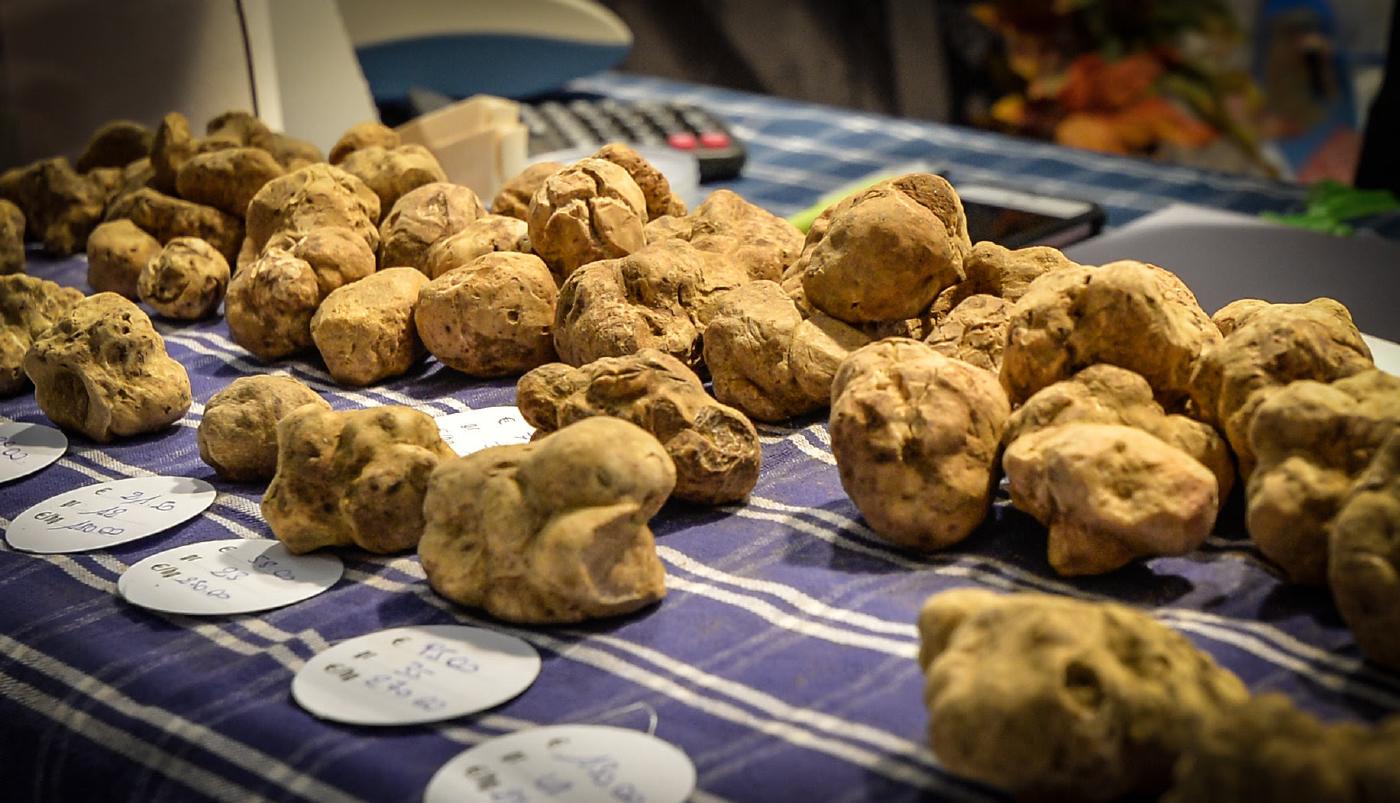
24 Oct 25 OctWorld Market of the White Truffle of Alba
The historic heart of the event dedicated to Tuber magnatum Pico
★
-

-
24 OctThe English Partisan: second day of the conference
Second and final meeting dedicated to the new digital critical edition of Ur Partigiano Johnny

-
24 OctFrom Salt to Earth
An itinerary in the historic center of the city to tell its history, markets and flavors

-
24 Oct 25 OctAlba Truffle Bimbi
Alba Truffle Bimbi is a place of fun designed entirely for children, but without ever neglecting the didactic and educational aspect
★
-
24 OctCooking show with chef Fernando Tommaso Forino
Born in Campania on October 13, 1990, the same day as the patron saint of cooks San Francesco Caracciolo, the chef arrives in the Langhe to lead the new gastronomic project at Arborina






Get in touch
Musei Reali Torino
Get in touch
Musei Reali Torino