Art and culture
Govone Castle A project that holds generations together
August 20, 2026
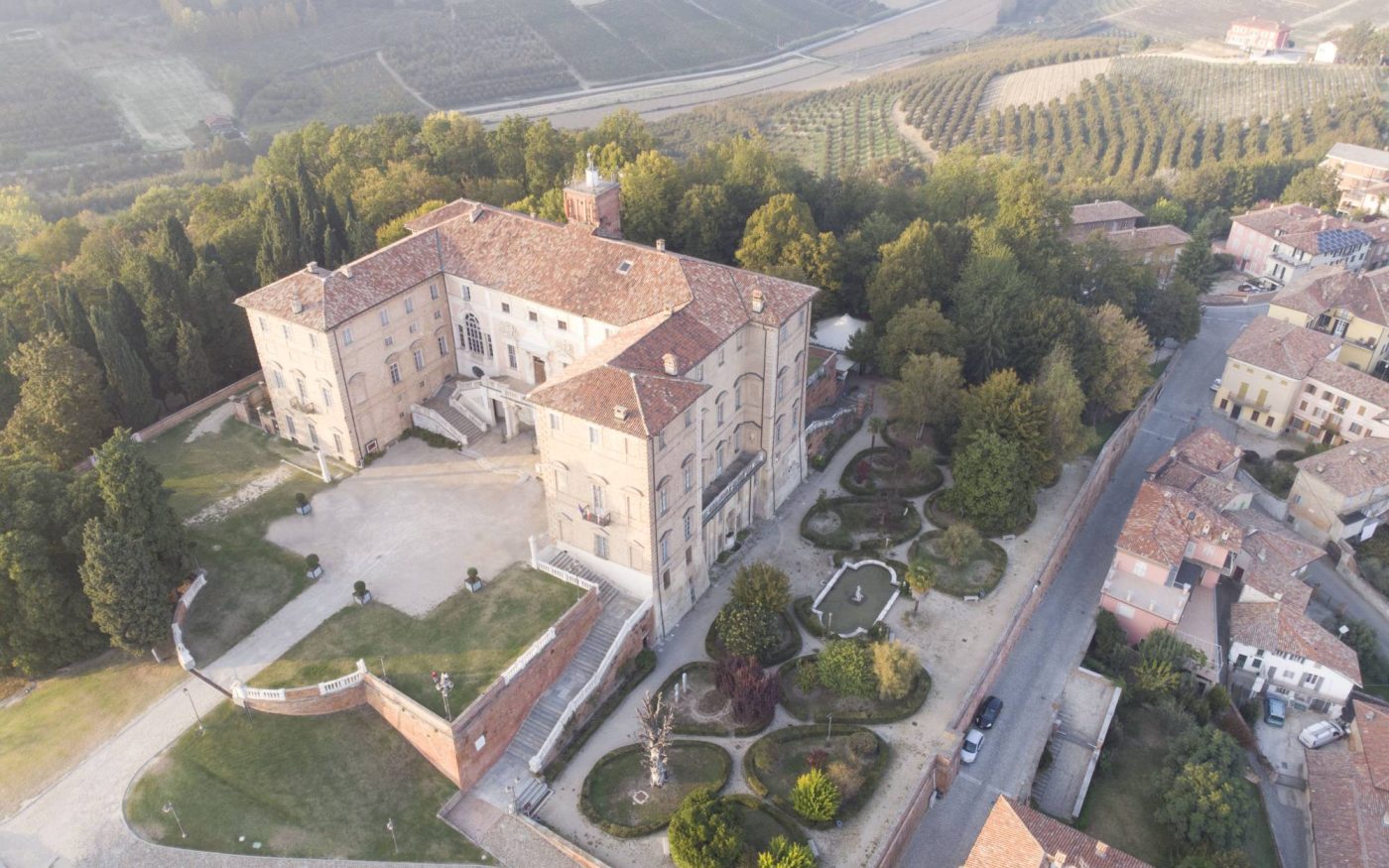
In the halls of the Savoy residence, a new generation joins the long-time volunteers and renews a bond built over time. In Govone, caring for the castle also means choosing to remain part of your own community.
The Royal Castle of Govone, first a fortress, then the residence of the Solaro counts and holiday residence of the House of Savoy, has been owned by the municipality since 1897 and, throughout the twentieth century, has hosted offices, schools, festivals, concerts, and various initiatives.
Its halls preserve not only the history of a court: they also hold the everyday memories of generations of Govone residents
Today that relationship continues thanks to a community that cares for the castle and keeps it accessible. Alongside about fifty long-time volunteers, mostly retirees, there is a group of about ten young people between 20 and 25 years old.
Their commitment tells the story of a less obvious Govone: a small town where the new generations do not see heritage as something distant, but as a place in which to recognize themselves and leave their mark.
For those born in Govone, the castle has never been just a building to admire.
The park has been a place for walks and games, the rooms have hosted the school, the spaces have become the setting for events, gatherings, and family memories.
When a historic property enters personal memory, caring for it does not only mean defending an artistic heritage: it means protecting a part of your own history.
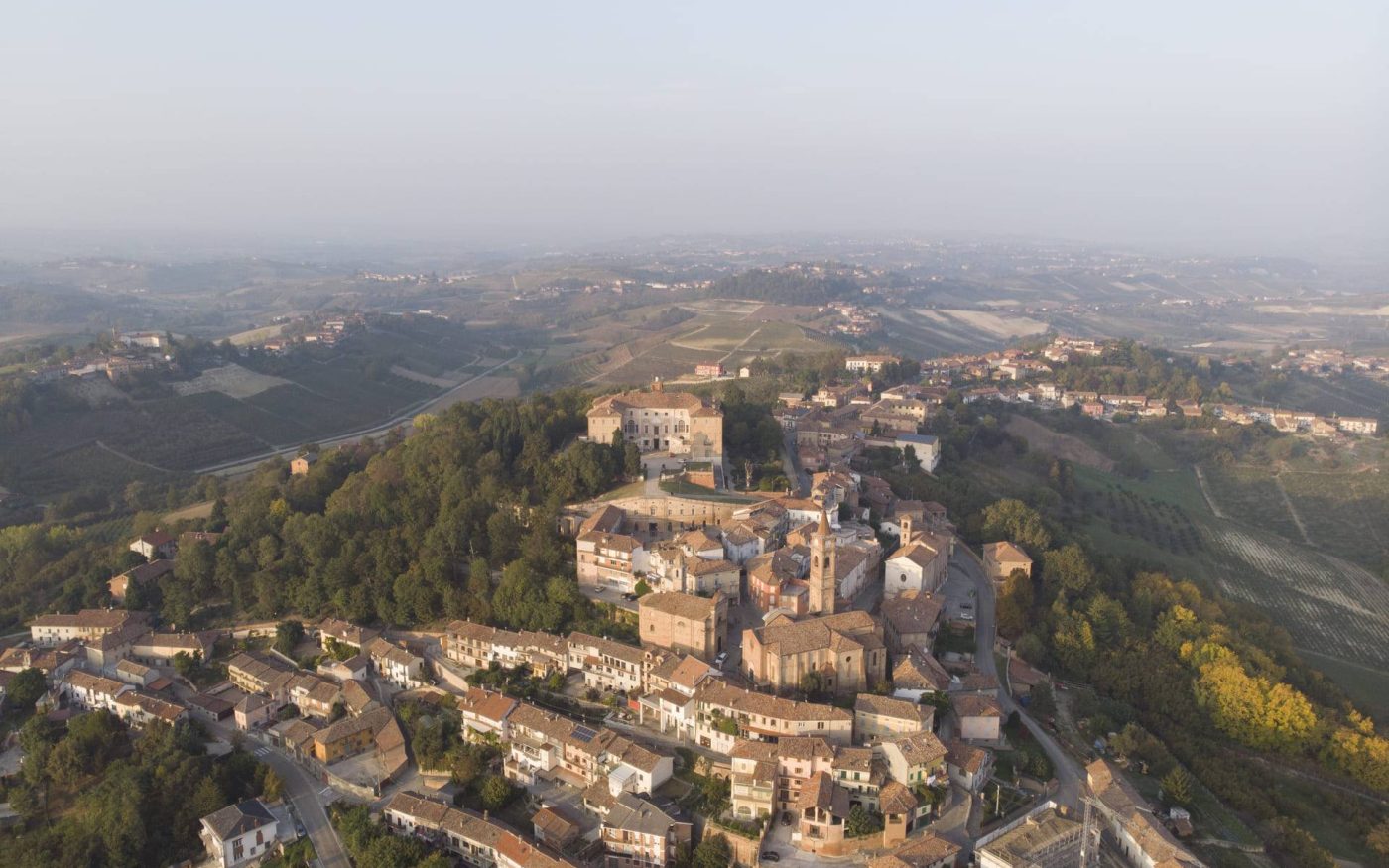
The Govone Residenza Sabauda Association, founded in 2015 to manage, enhance, and promote the residence, works within a much broader network of associations and people. In a town of about 2,200 inhabitants, the castle lives because the community continues to consider it a shared responsibility.
Until 1997, the castle housed the kindergarten and elementary schools. Many of today’s volunteers learned to read, wrote their first essays, and spent recess in those rooms.
The relocation of the schools to another building interrupted that daily presence. Bringing young people closer has served precisely to mend that thread, giving them new reasons to enter, stay, and feel at home.
The contribution of the young volunteers is very concrete. They work alongside the people who have been ensuring the castle’s opening for years, help at the ticket desk, welcome visitors, and offer their language skills.
With the growth of the international audience, being able to communicate in other languages has become particularly important. Behind a successful visit are therefore small gestures that are essential, often invisible to those who walk through the halls.
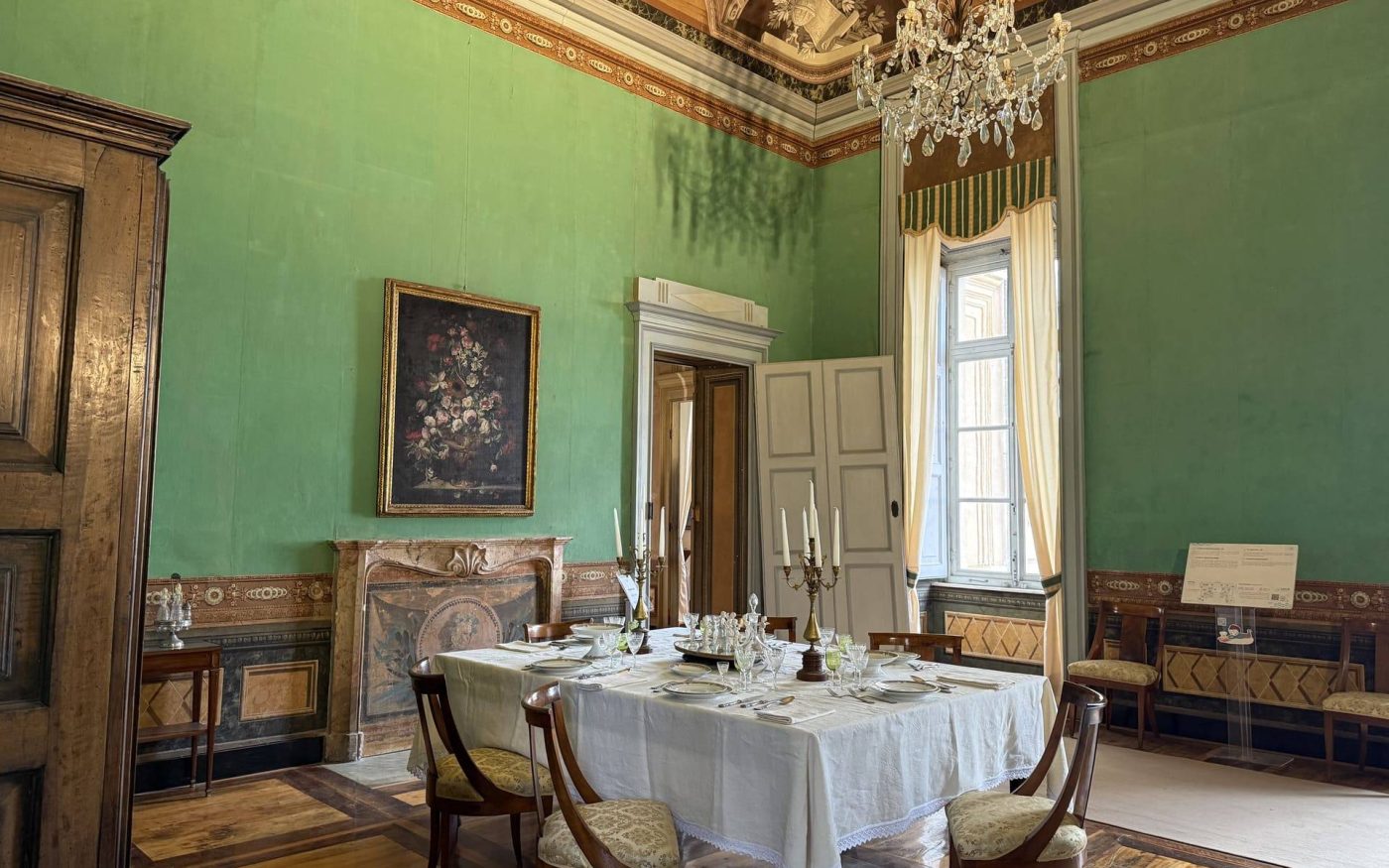
These young people do not come from a top-down project. They are all from Govone and many already participate in other activities in the town. Their volunteering is born within families accustomed to collaboration and within a local network in which offering time is still a natural way of belonging to a community.
They are not simply “an extra hand”: they bring different skills and allow the castle to engage with an audience and with tools that are changing.
Grandparents and grandchildren volunteer side by side. They exchange ideas, help each other, and share the same shift with different experiences. On one side there are those who have known every habit of the place for decades; on the other, those more familiar with technology, languages, and new ways of communicating.
It is in this exchange that the word “tradition” finds its most vital meaning, in the passing from one generation to the next
The long-time volunteers pass on memory, attention, and a sense of responsibility; the younger ones add energy, questions, and perspectives.
The castle remains recognizable precisely because it continues to change along with the people who inhabit it.
For young people to stay, they need to feel they can truly make a difference. To this end, Govone Residenza Sabauda organizes, several times a year, a meeting with the young volunteers: a moment to understand what works, what should be changed, and what new activities could be developed.
Their ideas are important, they are listened to, and when a proposal takes shape, it is often the young people themselves who step up to make it happen.
This is perhaps the most interesting lesson for other small towns as well. Asking young people to enter an already defined organization, limiting themselves to carrying out tasks, risks turning volunteering into a duty.
Leaving room for their ideas instead creates participation. Each generation observes places with different eyes: accepting that perspective does not weaken a town’s identity, but allows it to remain alive.
The busiest period runs from March to June, when the calendar fills with exhibitions, concerts, and events such as Tulipani a Corte and Regalmente Rosa.
These are joined by the cultural programs developed over the years: Govone Arte, also dedicated to contemporary creativity; Govone Smart Music, with concerts and listening guides; Govone On Stage, created to bring live theater to the residence.
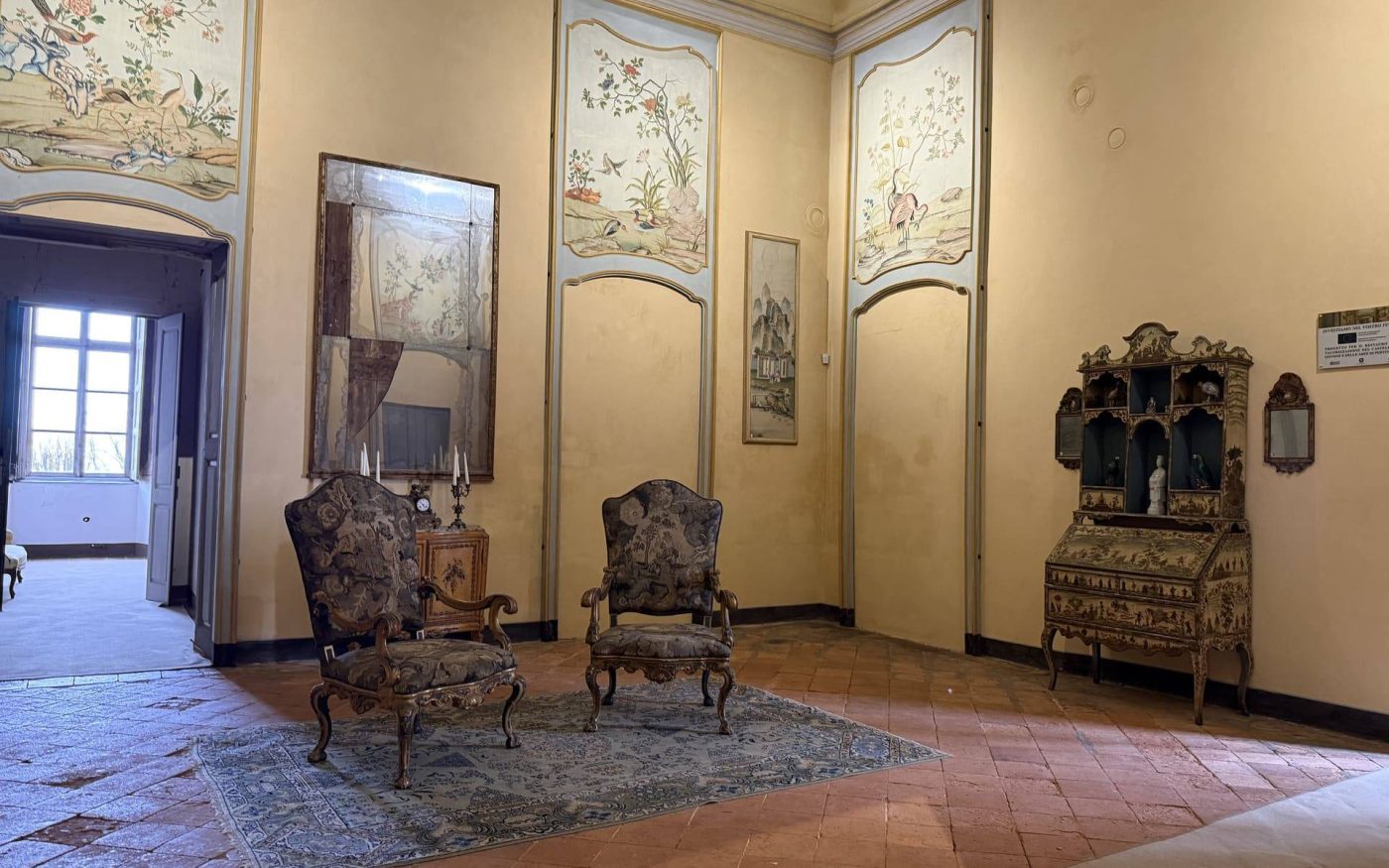
The Biblioteca Popolare, housed within the castle walls with over ten thousand volumes, adds meetings, readings, and opportunities for gathering. During those weeks, volunteering becomes a discreet but indispensable engine: welcoming, guiding, solving unexpected issues, accompanying diverse audiences.
In autumn the castle chooses instead to not overlap too many initiatives with a territory already crowded with events related to the Truffle Fair, while during the Christmas season activity picks up again.
This measured approach also reflects a thoughtful vision, interested not only in increasing numbers, but in building sustainable tourism compatible with the life of the town.

by Nicolas Roncea
Special


