Tasty reads
Slow Food Roero is born a new voice for the region from small producers
November 3, 2026
Roero has a new voice in the Slow Food world. On October 28, 2026, in Pocapaglia, Slow Food Roero APS was officially born, a new local association that will involve 24 municipalities, with the aim of promoting local production, protecting biodiversity, and fostering a more conscious food culture.
The president of the new organization is Paolo Pertusio, a breeder and cheese producer, who together with his brother Roberto runs the I Pastori del Roero farm in Santo Stefano Roero.
But this story doesn’t start on October 28. To understand its origins, you have to go back a few years, among pastures, small family farms, and meetings between producers who share the same vision.
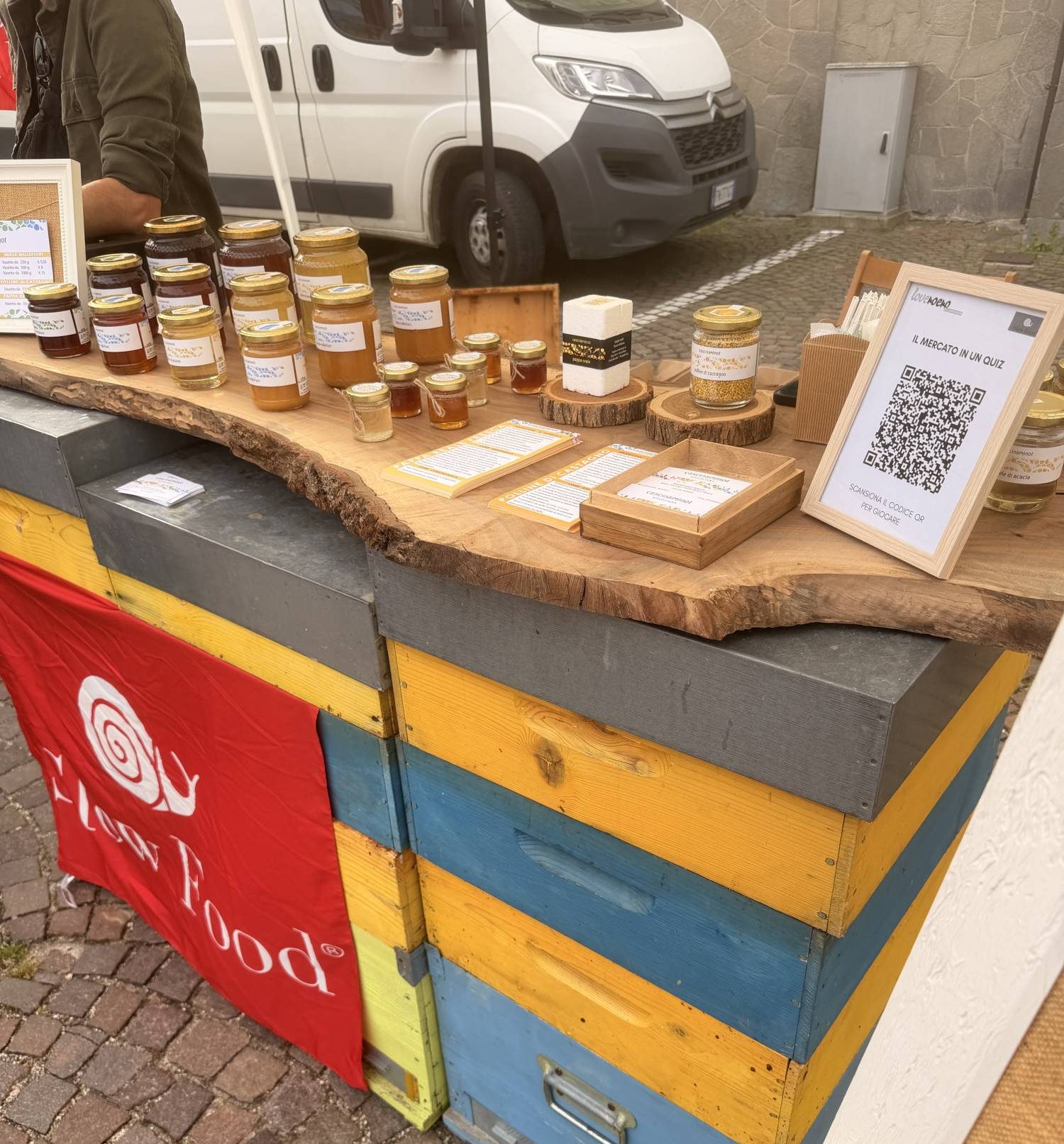
A journey that found one of its most significant expressions in the Monteu Roero Mercato della Terra, which in recent months has become an important meeting point for farmers and consumers.
We interviewed Paolo to have him tell us how we got here and what opportunities are opening up today for the region.
PAOLO— Actually, it all started right there. In Roero, there are so many family-run micro-farms, exactly like mine and my brother’s.
These are businesses that often don’t get the attention they deserve. Partly because there’s no time, and partly because of the difficulties involved in managing a small agricultural business.
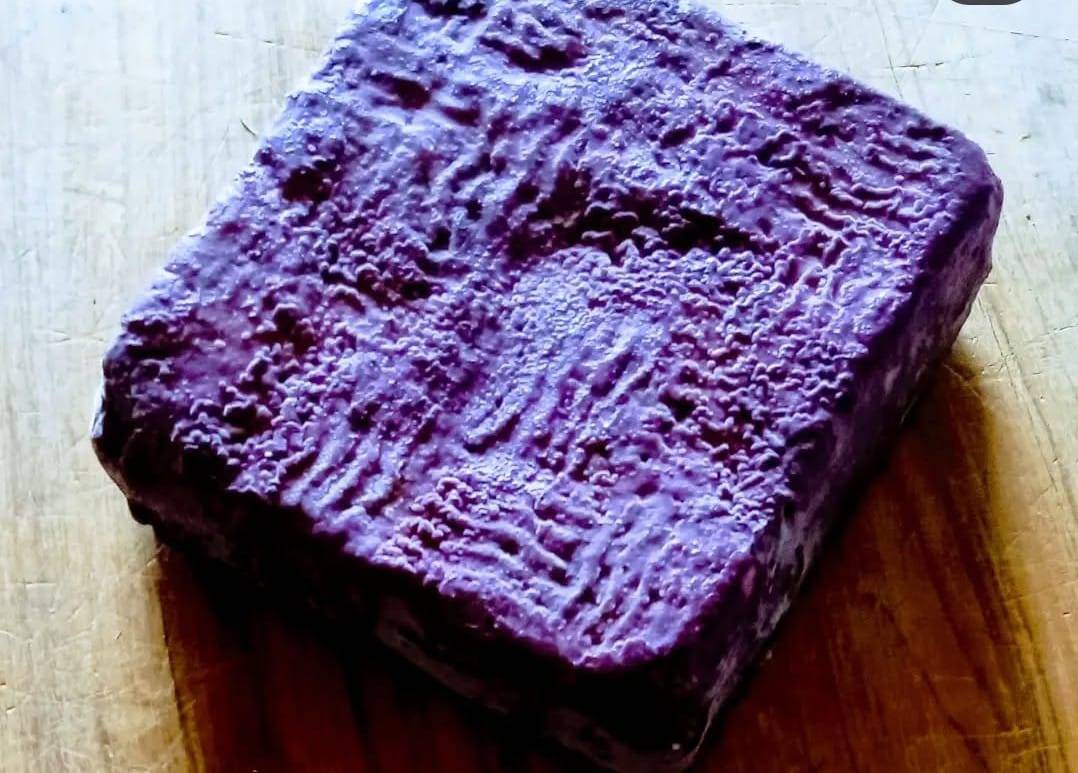
That’s why I think it’s essential to give a voice and recognition to small producers. From this perspective, Slow Food is an extraordinary opportunity: it allows us to shine a spotlight on businesses that might otherwise remain in the shadows.
PAOLO— We, the Pastori del Roero, had already been collaborating for years with the Monteu market, where a small event was held on Wednesdays.
Talking with the mayor, we wondered why not try to promote these local excellences more, perhaps by organizing a Sunday market, even just once a month.
It started like that. For about a year, we ran what we called the Excellence Market, involving some local producers.
The idea was to involve other companies that shared our philosophy and turn that event into a real Mercato della Terra.
PAOLO— There are two fundamental aspects.
The first concerns personal relationships. When you work following a certain philosophy, you inevitably end up knowing and spending time with people who share your way of thinking, even if they produce completely different things.
That’s how friendships, collaborations, and opportunities for discussion are born.
But this alone isn’t enough. To participate in an Mercato della Terra, you have to follow a specific protocol, with clear criteria regarding the production method.
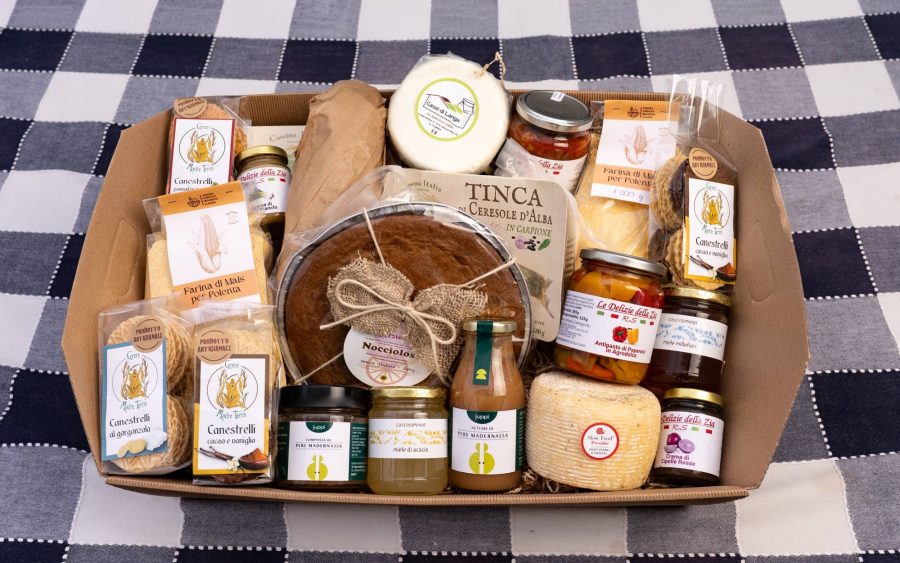
The result is a sort of double guarantee for the consumer: on one hand, there are the Slow Food principles, and on the other, the direct relationship with the producer, who personally takes responsibility for what they bring to the stall.
PAOLO— Definitely Elettra’s, from the L’Ottavo Sapore farm.
Elettra came from a world quite far from agriculture. At a certain point, she decided to take back her family’s history, recovering her grandfather’s small farm.
She radically changed her lifestyle, dedicating herself to agricultural production and hospitality, with a careful and respectful approach to the land.
It’s a story that strikes me a lot because it shows how much courage there can be behind a choice like this.
When you grow up in a family that has been farming for generations, certain mechanisms come almost naturally to you. For her, however, it was a profound change.
And I think it’s also a beautiful example of how it’s still possible to choose to farm in Roero, building something of your own and giving continuity to the history of a region.
PAOLO— I think the biggest difference is the relationship that has been created between us producers. It’s a very strong bond, which inevitably involves the public too.
We get together, have an aperitivo, and share moments that go far beyond simple selling. And the people who come to the market sense this atmosphere.
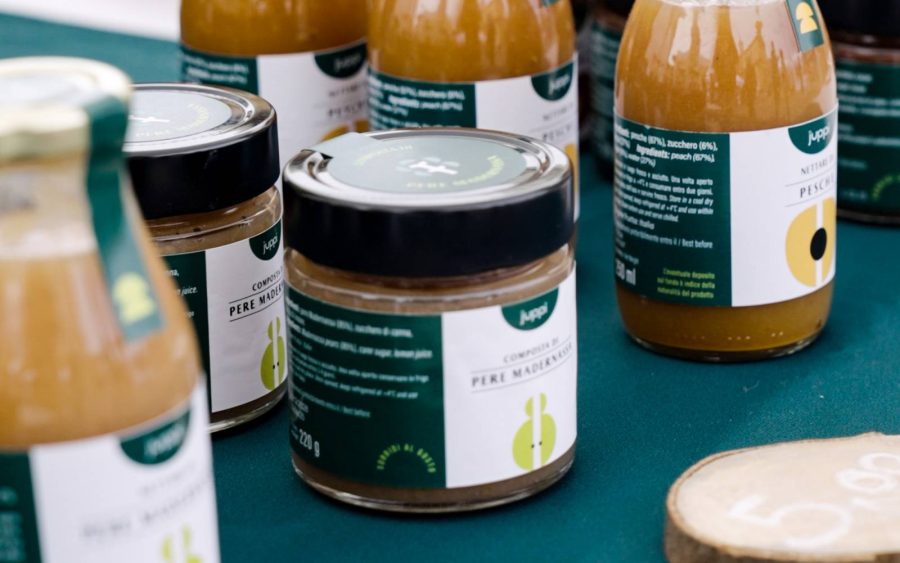
Someone who stops at my stall might want to know how I produce the cheeses, but then the conversation expands. We talk about the land, our work, our lives. Sometimes friendships are almost born.
This is what makes the event special: it’s not a mechanical transaction between seller and buyer, but an opportunity to meet and get to know each other.
PAOLO— Slow Food Convivia are groups of members who decide to commit to promoting a specific area.
With Slow Food Roero, we want to do just that: seek out, get to know, and support all those small businesses that deserve more visibility.
And we’re not necessarily just talking about agricultural producers. It could be a cultural association, a restaurant, an accommodation facility, or any other business that shares certain values.
The idea is to build a network, create opportunities for meeting, and events capable of involving the region.
The heart of this journey, at least as far as our experience is concerned, was born in Monteu Roero. Now we would like to broaden this vision, involving more and more people and businesses.
PAOLO— Exactly, and it’s important to emphasize this. They are three distinct entities, each with its own identity and goals.
The new Convivium is not born to absorb what already exists, but to offer further help.
Our task will be to collaborate with the associations, producers, and initiatives already working in the area, trying to create new opportunities and connections.
We need to pool our energies without overlapping with what others are already doing.
PAOLO— I hope, first of all, that Roero manages to stay as it is.
Naturally, I would like visitors to increase, for more and more people to learn about this region and its excellence. But we must not distort who we are to chase numbers.
Our farms have limited space, processing times, and product quantities. We cannot and must not overturn our way of working just to welcome more people.
Instead, I believe there is another way.
Many of us participate in markets and events around Italy. It would be nice to be able, over time, to partially reverse this dynamic: instead of having to constantly take our products elsewhere, make it so that people come to meet us here.
PAOLO— Exactly. I believe we can continue to develop hospitality and make Roero known without compromising the land and our way of working.
It’s a matter of balance.
If we manage to create opportunities for meeting, dialogue, and exchange, promoting what we have, we can build something important without having to become different from what we are.
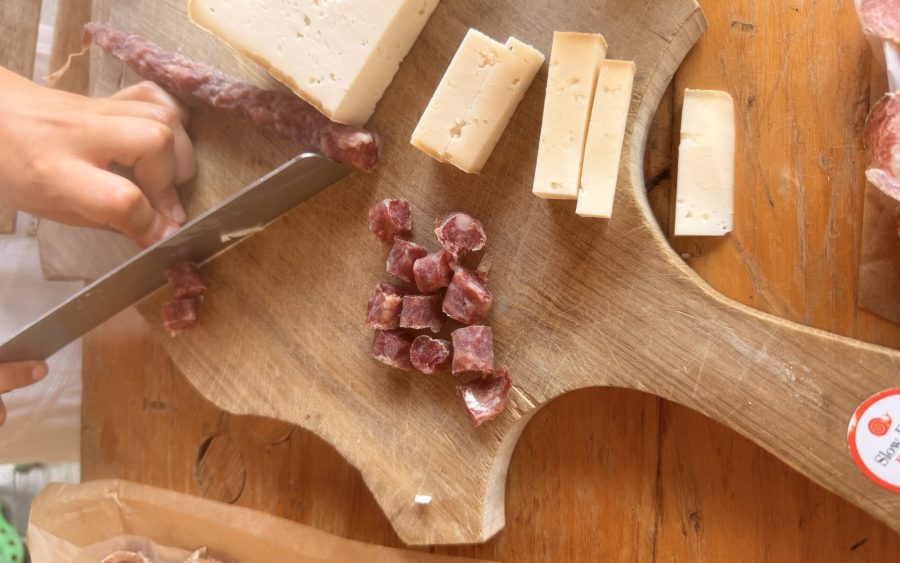
The birth of Slow Food Roero opens a new chapter for a region that, through its small businesses, continues to demonstrate how much value collaboration and sharing a common vision can have.
A journey that starts from daily gestures, from work in the fields and from the stories of those who chose to stay, return, or start over.
And that finds one of its most genuine expressions right among the stalls of the Monteu Roero Mercato della Terra, scheduled for every first Sunday of the month, from 9:00 AM to 1:30 PM, in Piazza Roma.

by Nicolas Roncea


