Art and culture
The Magic Walnut of Monasterolo Casotto in Bruno Vallepiano's new book
June 8, 2026

In some places stories seem to arrive before words. They settle in the woods, on the paths, in the trees that resist time and in the voices of those who, generation after generation, continue to tell them.
Monasterolo Casotto is one of these places: a small village in Monregalese where the mountain is not just landscape, but living memory, presence, narrative material.
This is where The Magic Walnut – stories of masche and spells is born and takes shape, Bruno Vallepiano’s new book, which will be presented Sunday, June 14, 2026 at the Sanctuary of San Colombano.
To get closer to the book and the event we interviewed the author, trying to understand where this story comes from and why, even today, the legends linked to the masche manage to speak to us with such force.
What emerged is a tale that weaves together territory, oral tradition, imagination and popular memory.
At the heart of the book is the Walnut of San Giovanni, a rare plant to which singular characteristics are attributed, so much so that it is considered, in popular feeling, an almost magical plant.
Its peculiarity is that of appearing lifeless for a long time, withered, almost devoid of life, only to suddenly awaken at the beginning of June, around the feast of San Giovanni.
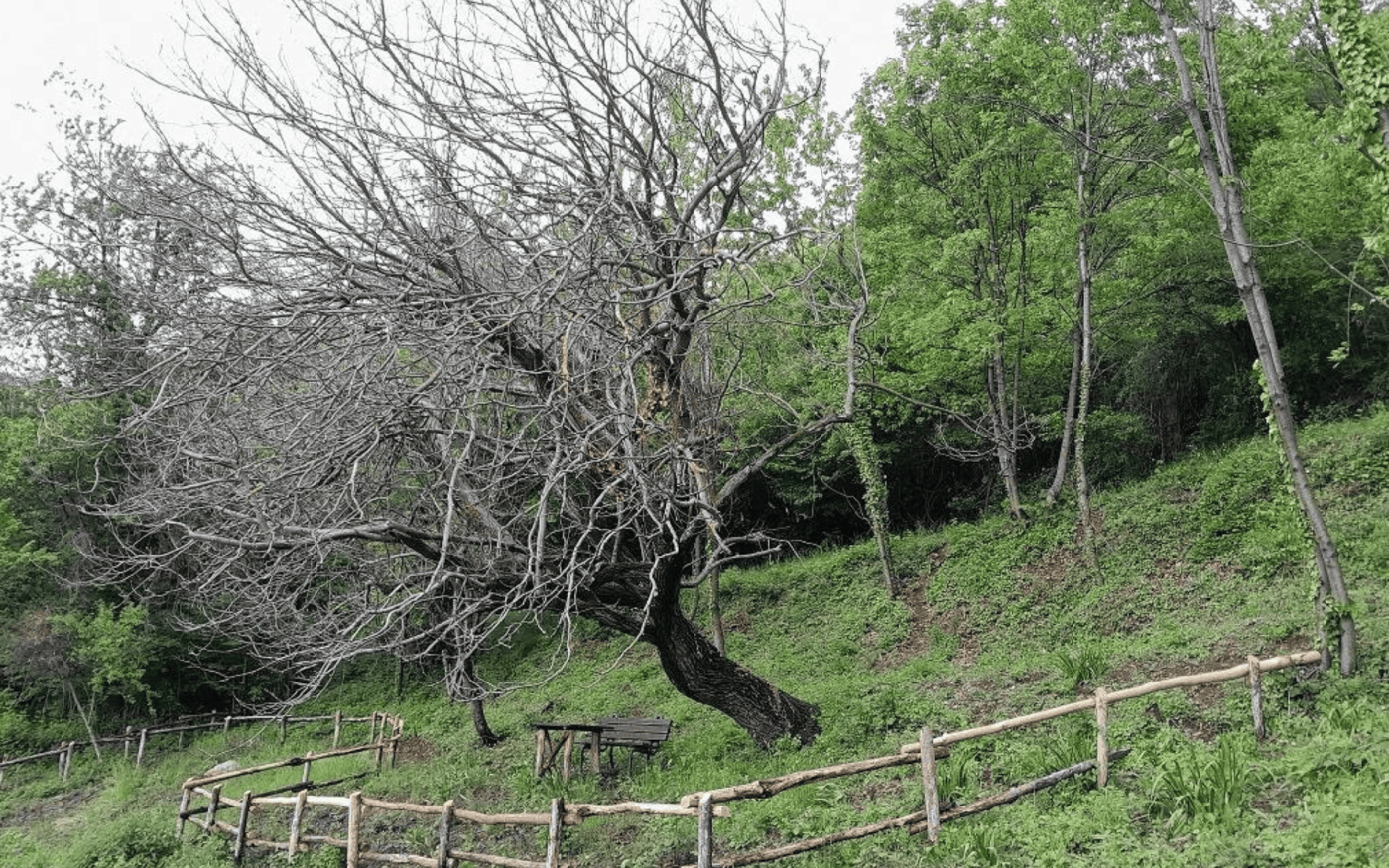
From this real detail, narrative imagination takes shape. The tree, already laden with suggestion, becomes the center of a story in which the boundary between what happened, what has been handed down and what might only be a dream becomes increasingly thin.
It’s not hard to understand why such a walnut tree fueled tales and beliefs: in the peasant world, trees were never just trees. They were landmarks, meeting places, presences capable of keeping secrets.
According to tradition, around plants like this mysterious figures could move, female presences linked to the night, to nature and to the supernatural.
One of the most interesting aspects that emerged from the interview with Bruno Vallepiano concerns the role of Monasterolo Casotto within the book.
The roads, the hamlets, the Casotto stream, the slopes that rise toward Bric di Valtardita and Bric del Monte are not just geographical coordinates: they are narrative elements that give body and atmosphere to the story.
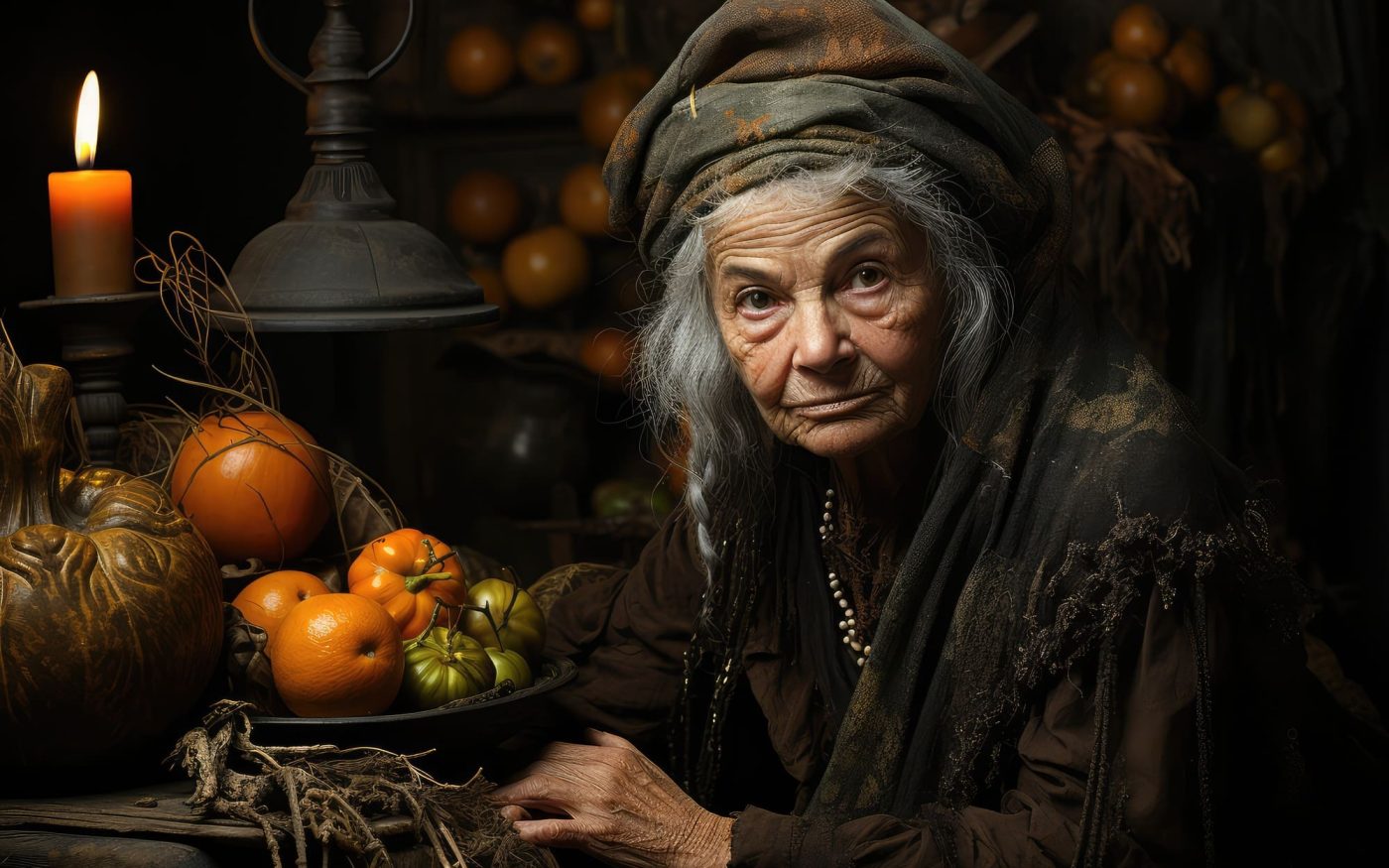
The book’s protagonist climbs along the road that leads from the stream toward the hamlets in search of the mysterious walnut. Accompanying him is an elderly woman, who appeared on a threshold that seemed to belong to a house uninhabited for decades.
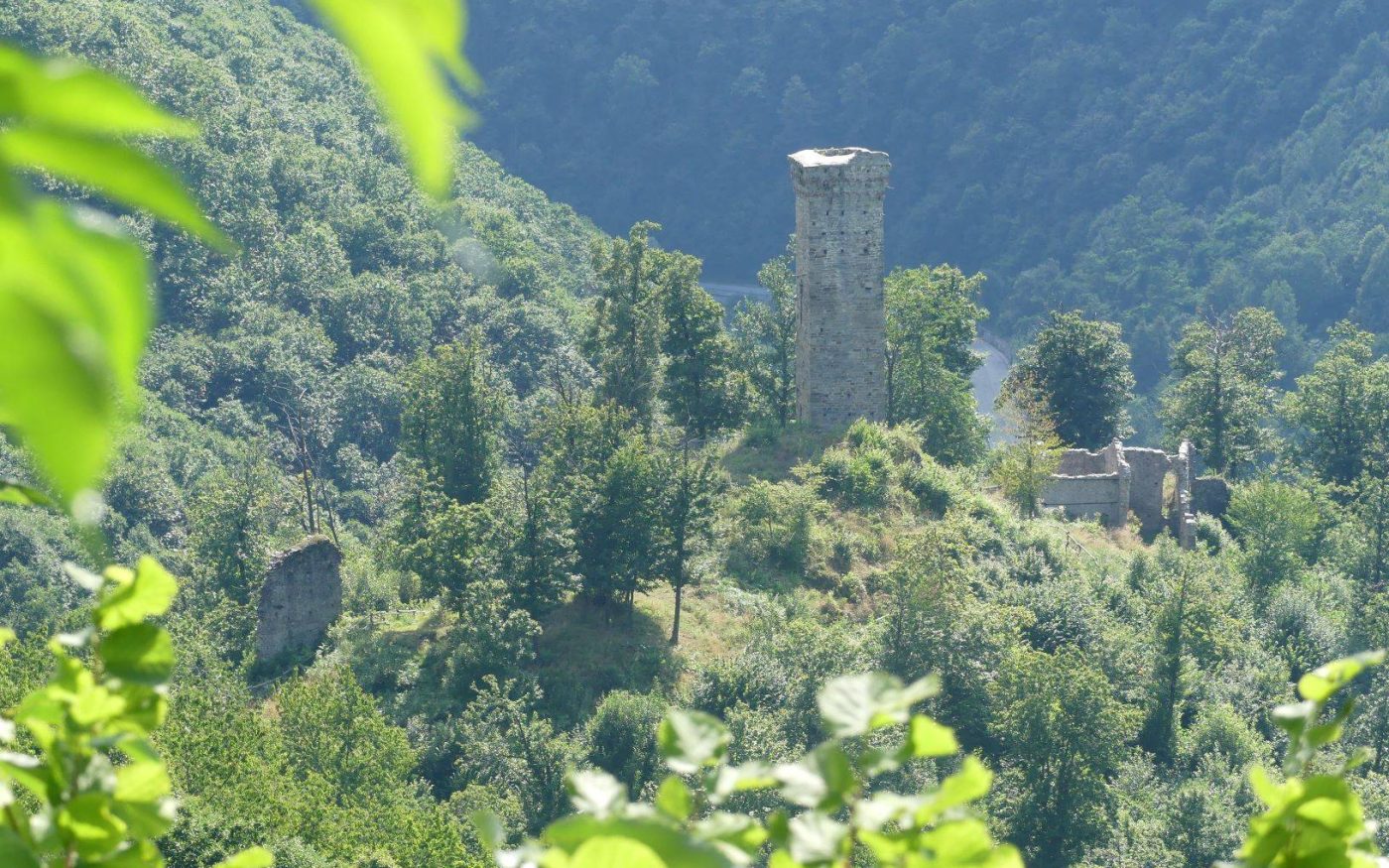
It is she who guides him into the story, weaving together memories, legends and apparitions: the water of San Giovanni, the masche, the faje, the tragic story of Gualtiero and Ginevra.
In this journey, Monasterolo Casotto becomes a literary place without ceasing to be real. Those who know the village will be able to recognize glimpses, slopes, atmospheres.
The masche are central figures in Bruno Vallepiano’s work, who over the years has dedicated several books to this theme, collecting stories and testimonies linked to Piedmontese oral tradition.
In popular imagination, the masche are often dismissed as fairy-tale witches, characters to frighten children or add color to winter tales. But behind these figures lies something more complex.
For Vallepiano, the masche are also the reflection of a historical memory. They refer back to a time when certain women, certain knowledge and certain differences were viewed with suspicion, persecuted, transformed into collective fear.
The legends born around them have reached us through the voices of the elderly, the tales in the stables, the peasant vigils, the moments of shared work in which storytelling was a way to be together, transmit values, give shape to the invisible.
Alongside the masche, the book also features the faje, presences linked to a more luminous and protective dimension.
The conflict between these forces runs through the story of Gualtiero and Ginevra, two figures who embody love, desire, temptation and loss.
Gualtiero, a young hunter, dares to challenge the terrible Masca Ruella, guardian of a treasure hidden in the mountain. But the desire for wealth and the betrayal of the protection received unleash a primordial fury, destined to leave a mark on the landscape and in memory.
In recounting the birth of the book, the author insists on an important point: his goal is not to construct philological research or a treatise on popular traditions, but to convey an emotion.
His writing seeks clarity, fluidity, the pleasure of storytelling. It wants to accompany the reader into a story that can be read naturally, but that leaves behind a deep suggestion.
This doesn’t mean superficiality. On the contrary, behind the simplicity of style there is a long work of listening, often interviewing elderly people, custodians of tales that would otherwise have disappeared.
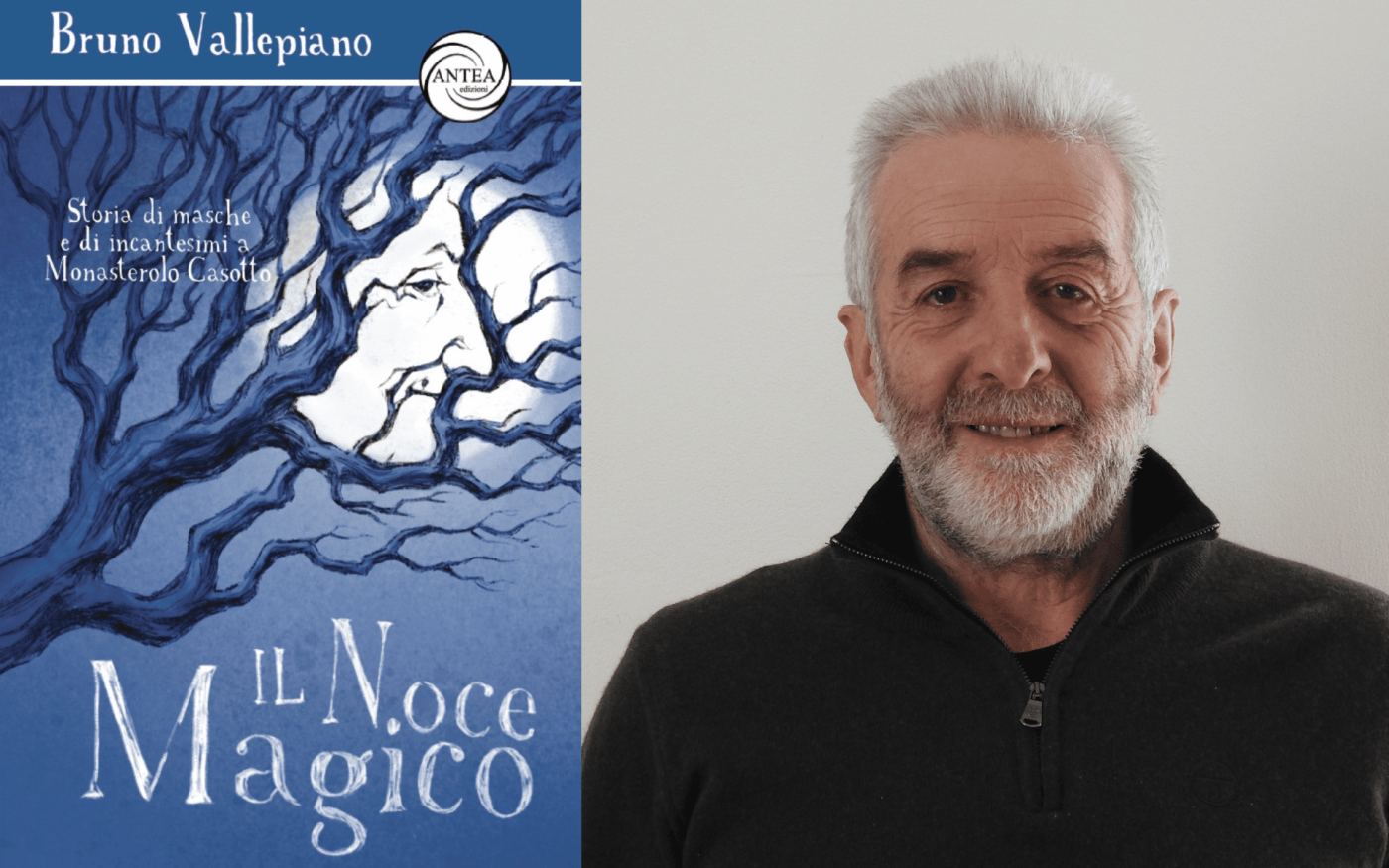
In the book, this material is reworked in narrative form, finding a balance between documentation, invention and territorial rootedness.
The use of some dialect expressions also goes in this direction. It’s not about constructing a difficult or closed text, but about restoring a flavor, a voice, a trace of authenticity.
Attending the presentation of this book means doing more than attending a literary event. It means entering a story in its place of origin, listening to an author who has transformed a real tree into a tale, and discovering how legends can still have a living role in reading the territory.
It’s about masche and spells, certainly, but also about desire, love, guilt, memory and roots.
On Sunday, June 14, Monasterolo Casotto will therefore become the meeting point between book and landscape, between tradition and imagination, between those who tell and those who listen.
An opportunity to meet Bruno Vallepiano, discover his new work and let yourself be guided, at least for an afternoon, along that subtle road that separates reality from legend.

by Nicolas Roncea
Special


