Tasty reads
Women and Wine #5 - Malabaila Lucrezia, Francesca, Federica and Lavinia
March 6, 2026
On the occasion of Women’s Day we publish a new installment of our column paying tribute to the great women of the Langhe: both those whose names are well known and those who acted “in secret,” and who had to carve out their place in the world during particularly difficult times.
“Women and wine” aims to be a column that gives voice, time after time, to female figures in the enology and viticulture of Langhe, Roero and Monferrato. These are stories chosen for tenacity, courage, that in our opinion have something to teach.
How masculine is the world of wine still? Does any trace still remain, in any way, of the “roles” of the past? Without knowing the answer, but with an interest in asking the question, we interview some of the women who are writing a new chapter in the history of this area.
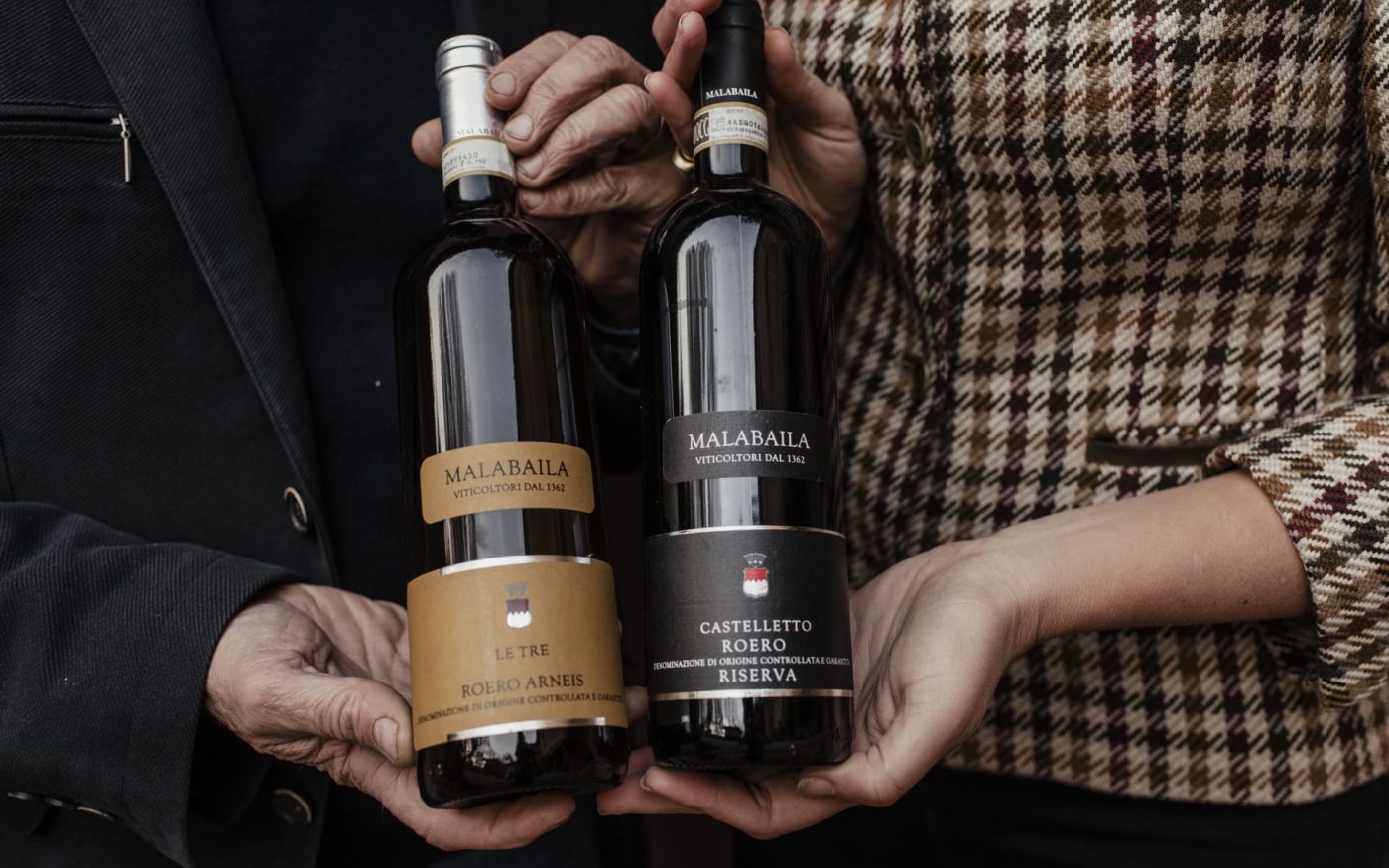
To tell the story of the Malabaila winery, we chose a specific perspective within a centuries-long history: not that of the most distant origins, which date back to the late fourteenth century, but that of a more recent journey, made of fraternal relationships and shared choices.
It’s a story that begins with the meeting of two families and a friendship that grew over time: that between Alfredo and Corradino, sons of different worlds but united since they were young, first as inseparable friends, then as business partners.
Around them, a company takes shape that evolves naturally: from production started in the 1950s inside the Castle of Canale, to the move, in 2000, to the current location.
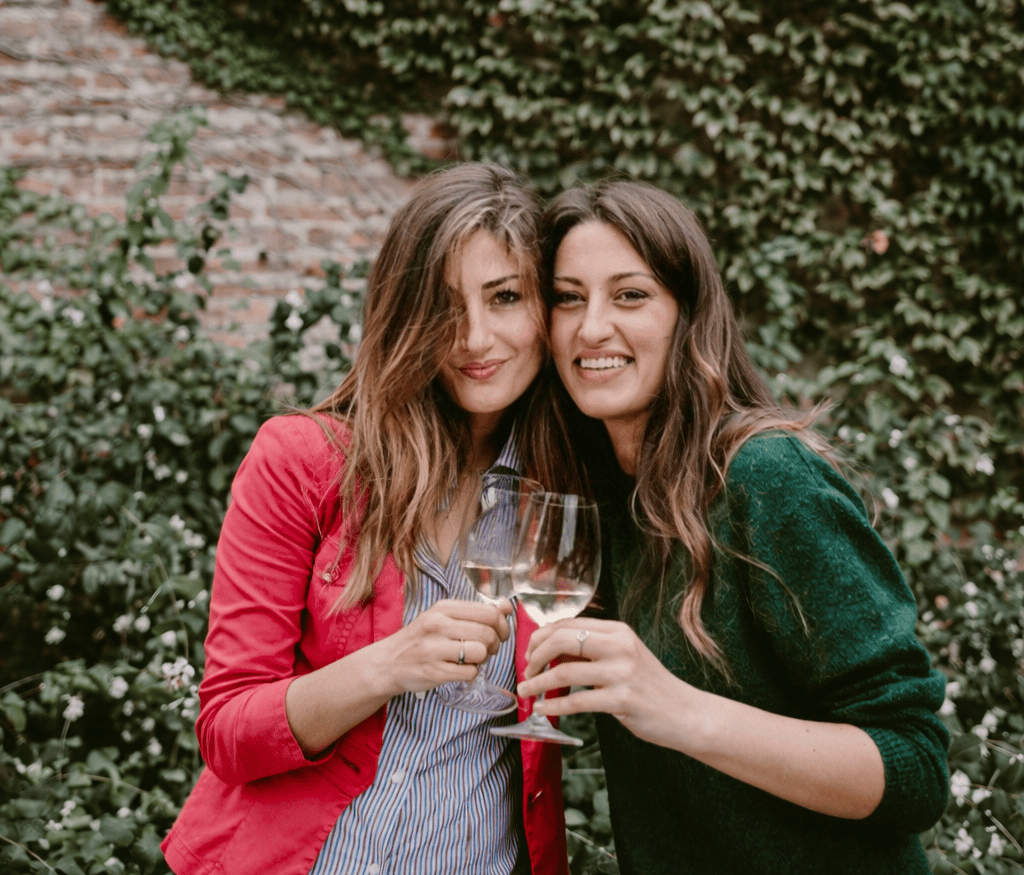
Today, this story passes through four female voices: Lucrezia and Lavinia, Francesca and Federica. Two pairs of sisters, daughters of that fraternal friendship that marked previous generations, and protagonists of a present that looks forward without severing its roots.
It’s with Federica that the main dialogue of this interview develops, in a very pleasant conversation where she becomes the spokesperson for the story, accompanied by Lucrezia’s responses, directly involved in some questions.
FEDERICA — We are four very different people in terms of character, training and experience, but deeply united by a bond that goes beyond work. Our strength lies right here: in mutual trust and in the ability to support each other, naturally weaving together different skills and sensibilities.
More than a rigid division of roles, ours is a network of collaborations that converges in a common direction: to grow Malabaila while respecting its identity
At the center of this balance is Lucrezia, who now leads the commercial side, particularly export and communication, taking the wine beyond the company’s borders and building relationships and markets.
Alongside her, my sister Francesca handles administration and company organization in the post-production phase, coordinating everything that happens from bottling onward and making possible, behind the scenes, what then reaches the public.
Collaborations then develop in a cross-functional way: Lucrezia and Lavinia work together both in representation in certain markets and in graphic and creative support, thanks to Lavinia’s training in graphic design. Lucrezia and I share trade shows, tastings and field experiences, combining commercial vision and international perspective.
With my sister I handle hospitality at the winery, rebranding and wine tourism development, while with Lavinia we recently worked on the new website, a project that combines writing and visual identity.
FEDERICA — Yes, and it’s tied to a very specific memory. It happened during a Vinitaly, one evening when I went to dinner with my dad. I asked him why this world was so important to him, what had driven him to do this for his entire life.
He answered that wine was his way of knowing the world. Through wine he traveled, met people, built relationships, even without knowing English well.
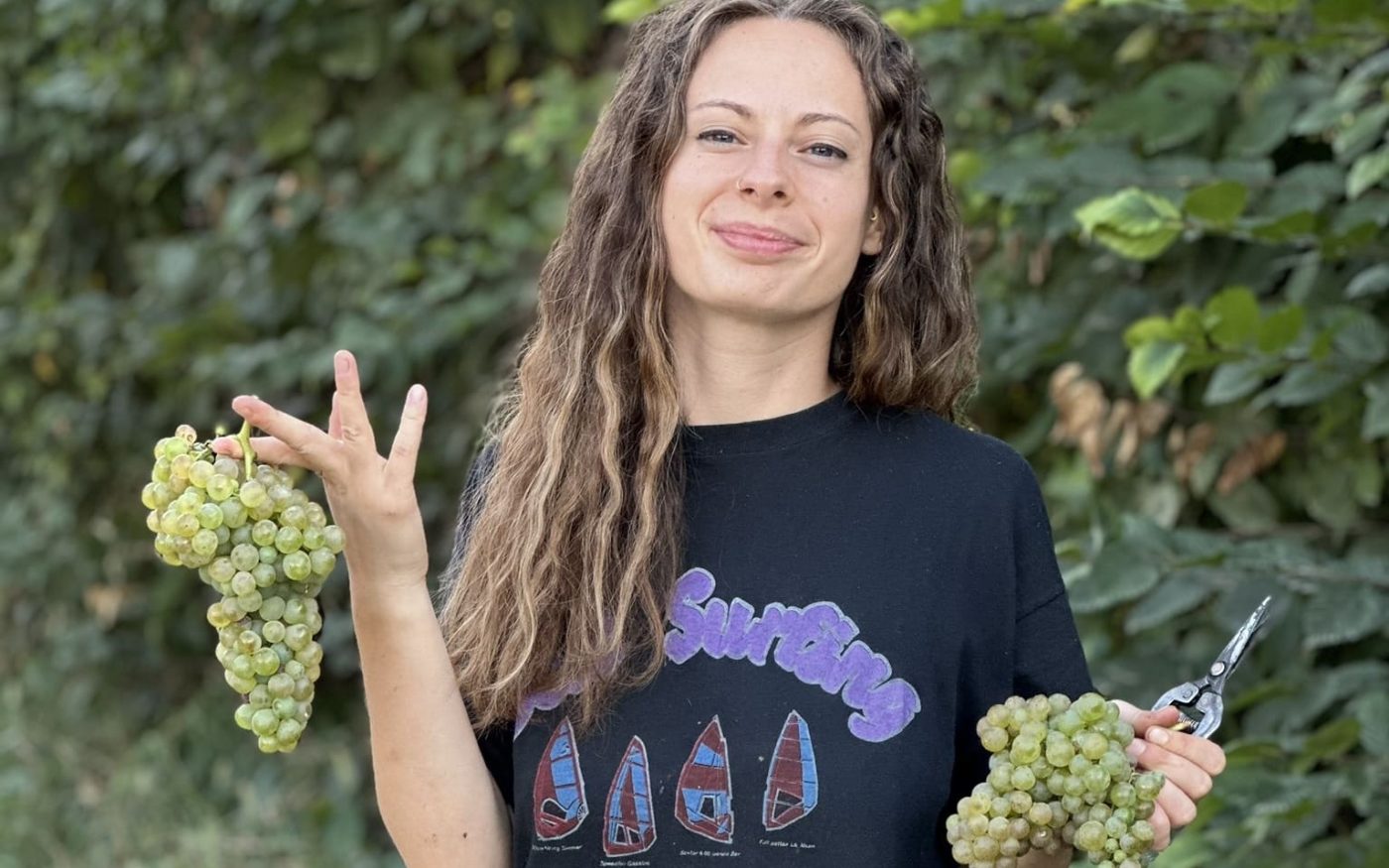
In that moment I understood that wine can be a language that’s inclusive, capable of bringing people together around a glass. That’s when I started to see it not just as something “technical” or commercial, but as a space for connection.
FEDERICA — There have been difficulties, especially at the beginning. The main one was having to prove competence and credibility, often more than necessary. In a historically male sector, and even more so in a family business, it happens that people assume you don’t know how to do certain things or can’t manage them.
The difference is made by unity: collaboration, networking and mutual support are changing the sector
This emerged particularly for those who, like Lucrezia, were immediately exposed in dealing with the market and the outside world.
Today, however, something is changing. Not only because of greater general awareness, but above all thanks to unity among women: collaborating, networking, supporting each other even across different realities is generating real and concrete change.
FEDERICA — Alfredo, my and Francesca’s father, is still today the point of reference in the cellar and he’s the one who leads the production side. What really makes the difference, compared to other stories involving multiple generations working together, is the trust he has in us.
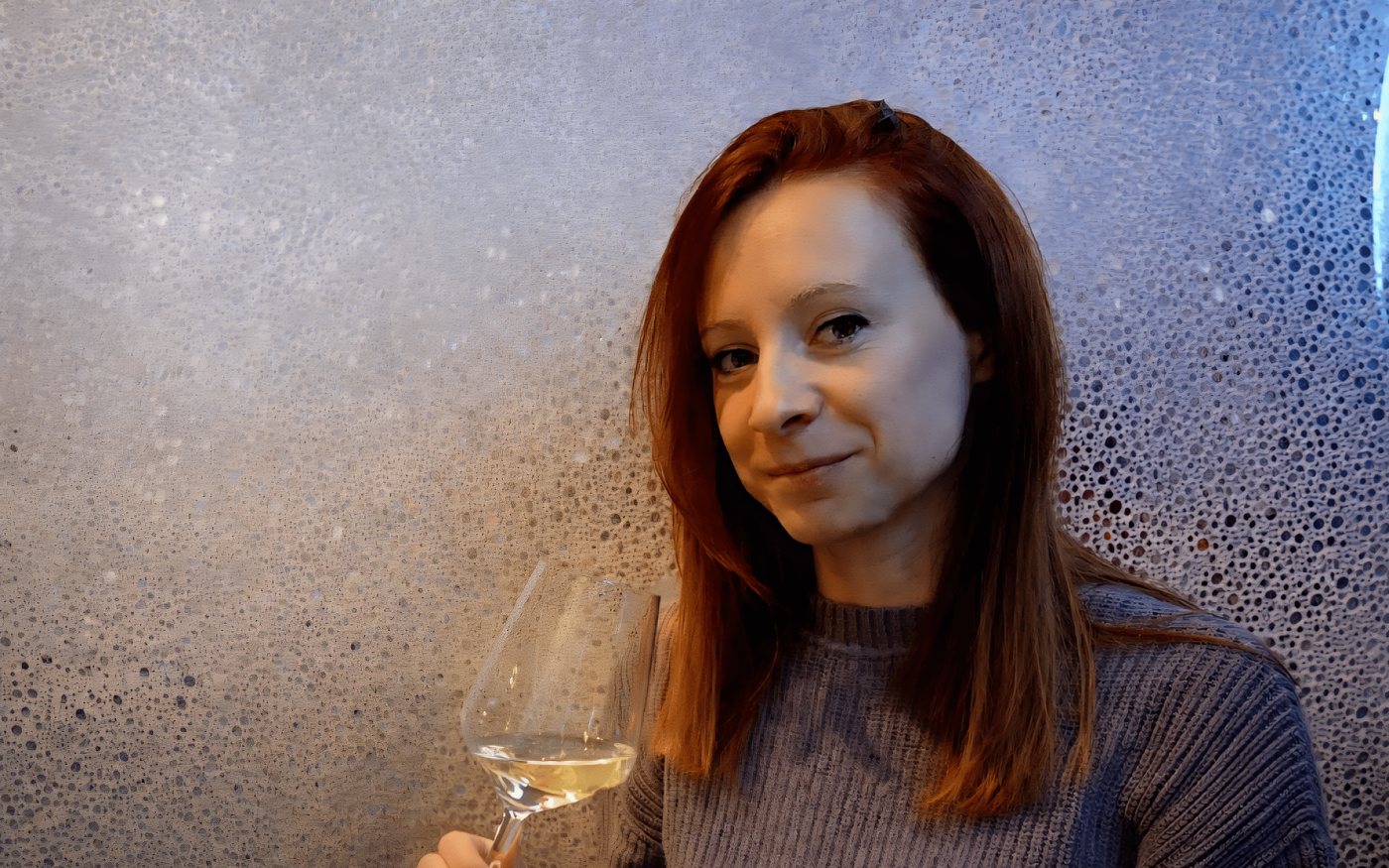
His approach is very clear: “you go ahead, if something happens I’m here.” This has allowed us to act without ever feeling held back, giving us the chance to dive in, to take risks, to make mistakes and grow.
Decisions come from discussion, not from a rigid hierarchy. In all aspects of company management, even in key moments of production, one of us is always involved, there’s a balance that combines experience with a fresh perspective and we really like that.
LUCREZIA — Visual language has always been fundamental for me, also as an explanatory tool. Since our wines are different from each other, we felt the need to bring out the personality of each one.
From this came the idea of pairing each label with a different animal: figures that, in different ways, always have a connection with the wine itself and with what it represents.
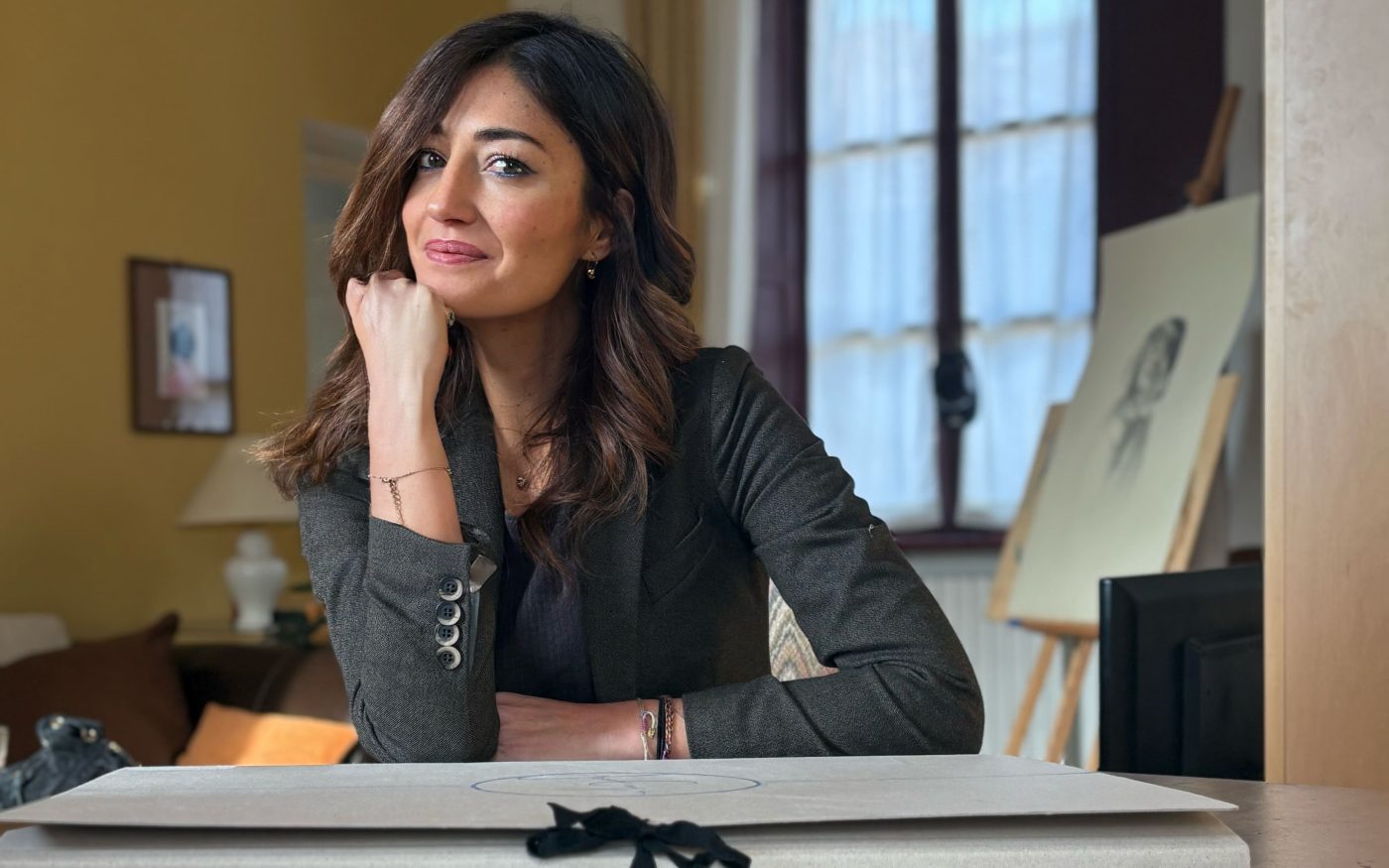
Often, when I tell the story of a wine, I start precisely from the image. The painting becomes a key to interpretation, an entry point that helps you enter into the character of the wine even before tasting. It’s not a decorative element, but a true language that accompanies the technical part and makes the story more immediate and personal.
FEDERICA — Donna Costanza comes first of all from a personal story. It’s a tribute that Corradino, Lucrezia and Lavinia’s father, wanted to dedicate to his wife Costanza, a second line of wines, distinct but complementary to the main Malabaila label.
Under the name Donna Costanza come together the wines that, in our view, best express freshness, spring aromas, an idea of lightness and immediacy.
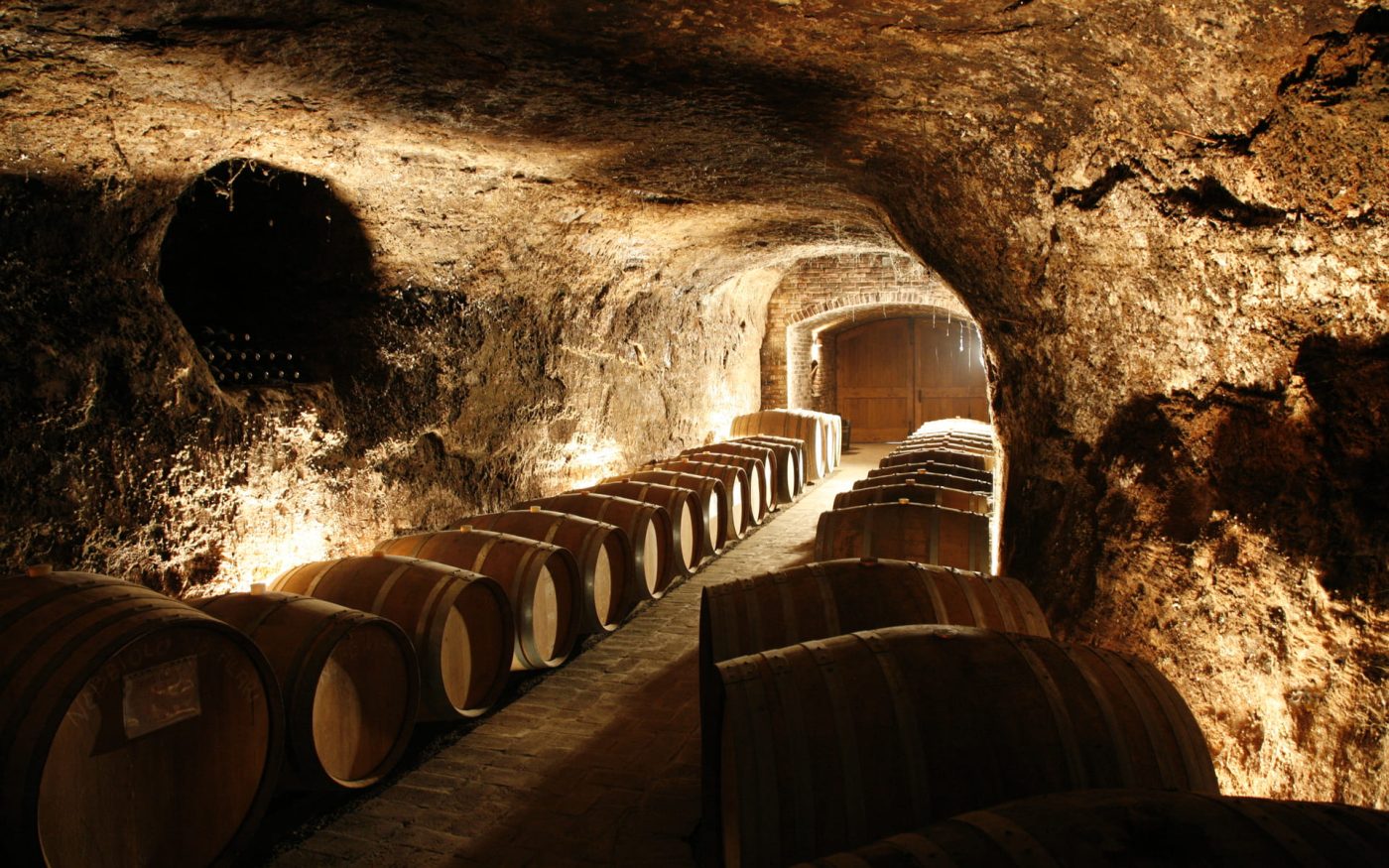
It’s a smaller circle, but conceived as a complete snapshot of our vineyards and the territory, ranging from sparkling wine to fermented grape must, passing through Arneis, rosé and young Nebbiolo, up to Roero Riserva, chosen to close the journey and fully represent our identity.
It’s a line that looks very much to the present, but also opens to what’s to come: a different way of telling the Malabaila story, which in the coming months will be at the center of new initiatives related to spring and the way we experience the winery.
FEDERICA — I would say first of all to accept that at the beginning you can’t know everything. It’s a complex world, very much tied to experience, and this can make you feel disoriented.
The risk is trying to say “the right thing,” to let yourself be influenced by those who seem more expert, losing touch with what you really perceive.
The most important advice I can give is to always bring yourself. Learn, certainly, but without erasing yourself. And seek discussion, unity, collaboration: especially with other women.
FEDERICA — We would like Malabaila to become more and more a lived-in place, not just a winery tied to production.
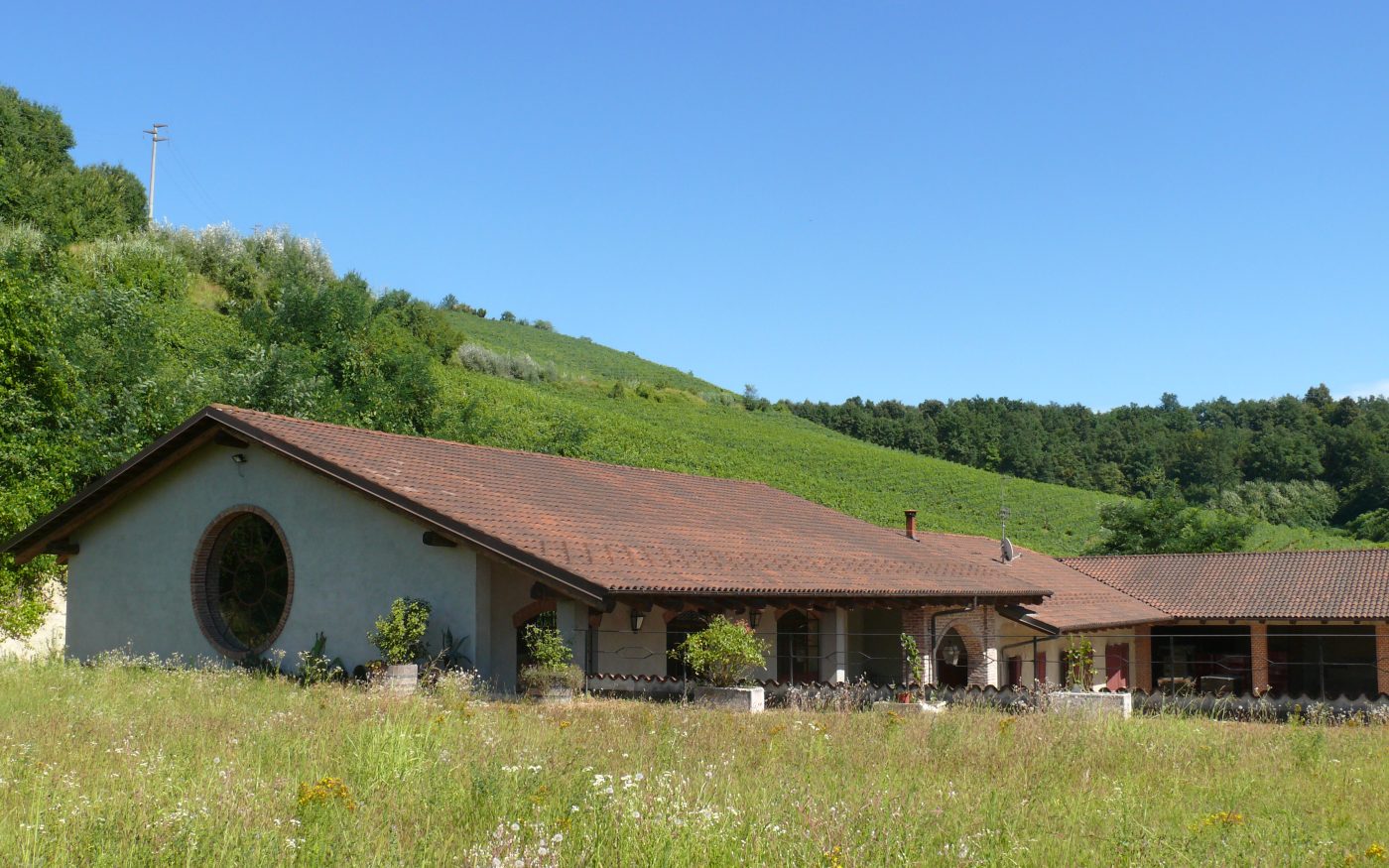
An open, accessible space, where people can stop, walk among the vines, return to experience the territory in a simple way. There’s a whole project related to the loop trails you can take around here.
We would like to leave a place capable of welcoming, of creating connection, without special effects, but full of authenticity. A place, in short, that continues to tell a story, also through those who experience it.