Hilberg Pasquero
Business Hours
14:30 → 18:30
Closing Day
Holidays
2 weeks between Christmas and New Year's Day
Hilberg Pasquero is a small winery in Priocca, in the Roero. The company was born thanks to the foresight of Annette Hilberg and Michele Pasquero, when, in the early 1980s, they decided to combine their knowledge and invest in this land.
Initially, theirs was an agricultural reality rooted in tradition (celery, leeks, corn, and hay), but their studies allowed them to experiment with hydroponic agriculture, with bumblebees to favor pollination, organic, and biodynamic farming.
Always maintaining this line, which combines innovation and respect for the environment, Annette and Michele decided to start producing wine.
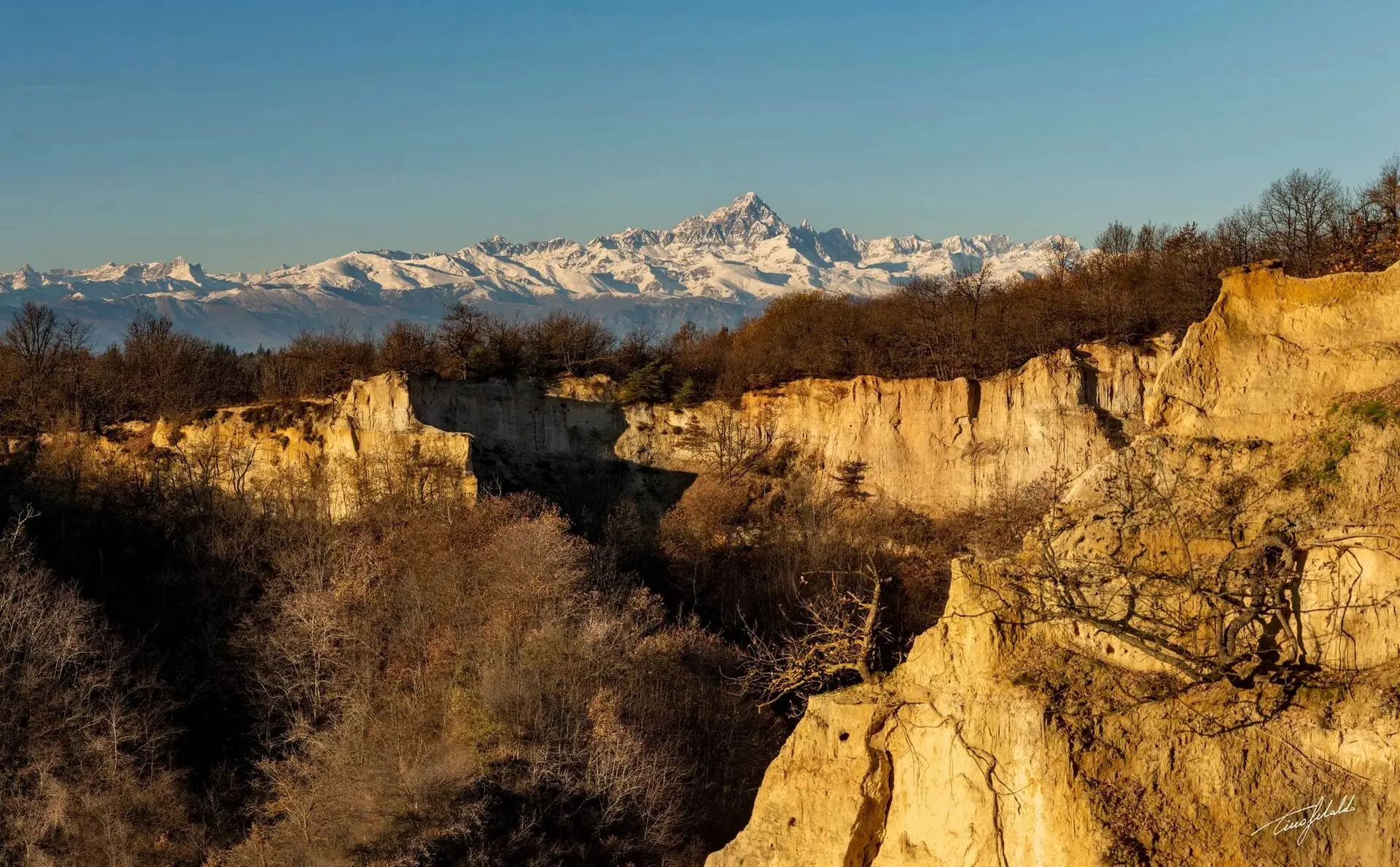
Although this area is less known than the Langa of Barolo and Barbaresco, here too the soils are rich in clay and marl, and therefore equally suited to the cultivation of nebbiolo, which yields a magnificent Roero DOCG, and other typical grape varieties of the territory, such as barbera.
The Wines
Uncorking a bottle means getting in touch with the Hilberg Pasquero philosophy.
Production is mainly focused on Barbera and Nebbiolo, which will be converted entirely to Roero, as a tribute to the terroir to which it belongs.
The Hilberg Pasquero philosophy, however, goes far beyond appellations: what really matters is the quality and identity of the wine produced. Some labels, in fact, such as the red Vareij and Rosato, although they are unclassified, are extremely refined and able to fully represent the territory.
Through careful and targeted practices, we produce high quality wines that are an authentic expression of our terroir and our dedication to sustainability. – Nicola Pasquero
To talk about Hilberg Pasquero wines, however, we need to start from further back by considering all aspects related to the vineyard.
Geology, geography, and vine selection
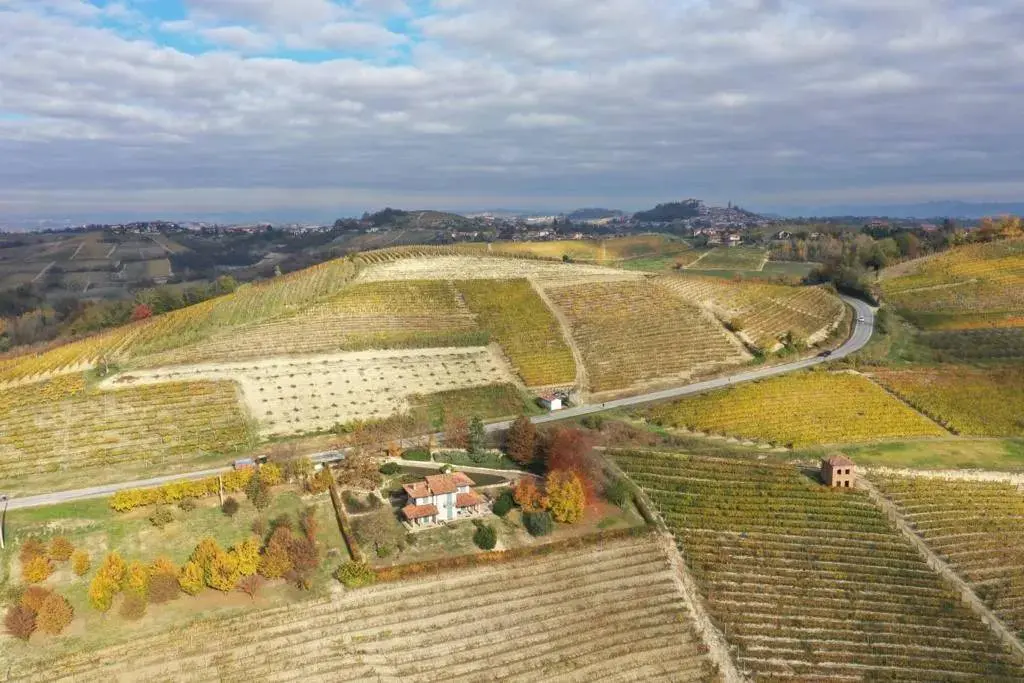
The soil composition greatly influences the characteristics of the wine, as does the exposure and position of the vineyards in relation to the hillside and winds.
Rootstocks are also meticulously chosen, based on the peculiarities of the soil, trying to encourage deep rooting and choosing to favor quality over quantity. And so it is that, for rich, moist soils, aromatic white grapes or barbera are chosen, for white clays nebbiolo and for sands arneis.
The winemaker’s gaze is therefore careful and focused: only by studying these crucial factors can the best grapes and, consequently, the best wines be obtained.
Produced Wines
Vineyards Extension
N° of Bottles
Vineyards Location
Agricultural Method

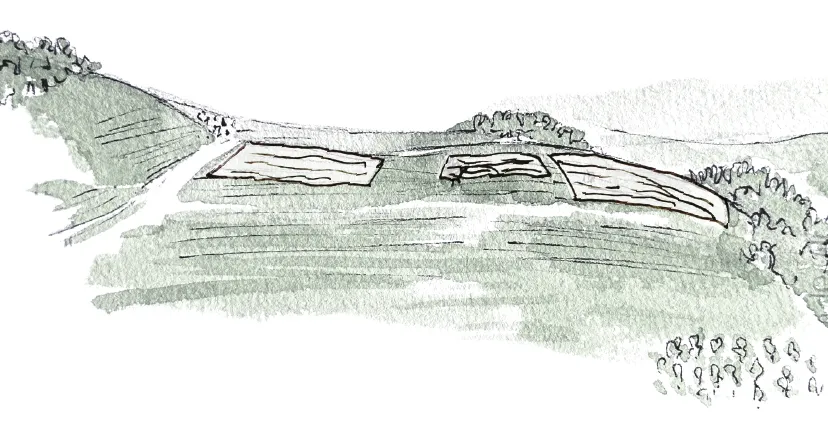

Sul Monte comes from the vineyards of the Monteforche hill, the highest in Priocca, in the western Roero, overlooking the Tanaro
The first settlement in Priocca was Colle della Stella. The soil here is rich in white clay, which gives fruit and acidity to this Barbera
Vareij is a unique wine made from bragat and barbera grapes that has represented the winery for generations. It takes its name from Varè, a closed valley facing north, where the family lived
Experiences
Educational experiences that allow you to learn about business and return home with some baggage
Stopping by the Hilberg Pasquero winery means meeting family members or very close and trusted collaborators.
It means learning something new, delving into important aspects related to the territory, geology, winemaking techniques, and the history of the company.
An immersive experience that culminates with a wine tasting, each with its own peculiarities and flavors, deeply linked to the soil and the grape variety.
There are two types of tours that can be chosen, also based on the curiosity and interest of each visitor:
- tours with guided tastings, for those who wish to be told about each wine
- “free” tours, which do not include guided tastings and leave room for relaxation and enjoying the glass independently
Groups
Experience Duration
Booking
Experience Price

Philosophy
Bioergodynamics, cantun verd and the preservation of genetic heritage
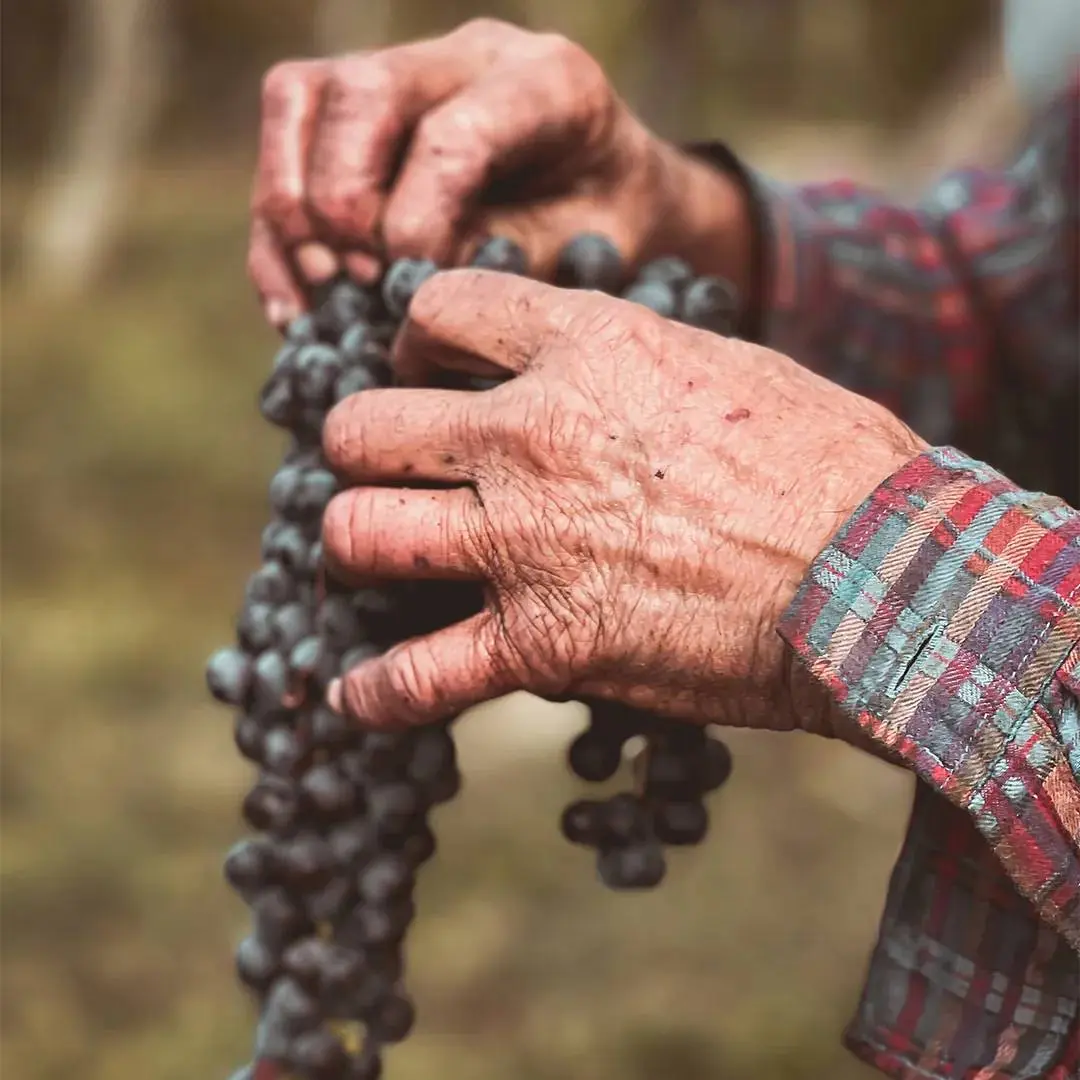
The Hilberg Pasquero approach to viticulture focuses mainly on the inter-row, which is the space between the rows of vines.
The principles followed are those of organic, biodynamic, and bioergodynamic agriculture, a term coined by the family, which is based on a holistic approach to cultivation, but always grounded in science.
The goal is to manage the conflict between plants, considering not only the vine but also what grows around it.
It is fundamental to study how the soil breathes, how it must be nourished, and how water penetrates to ensure that we can get the most out of every vineyard. There is no single protocol for all vineyards; instead, each must be studied individually, taking into account its position and specific characteristics.
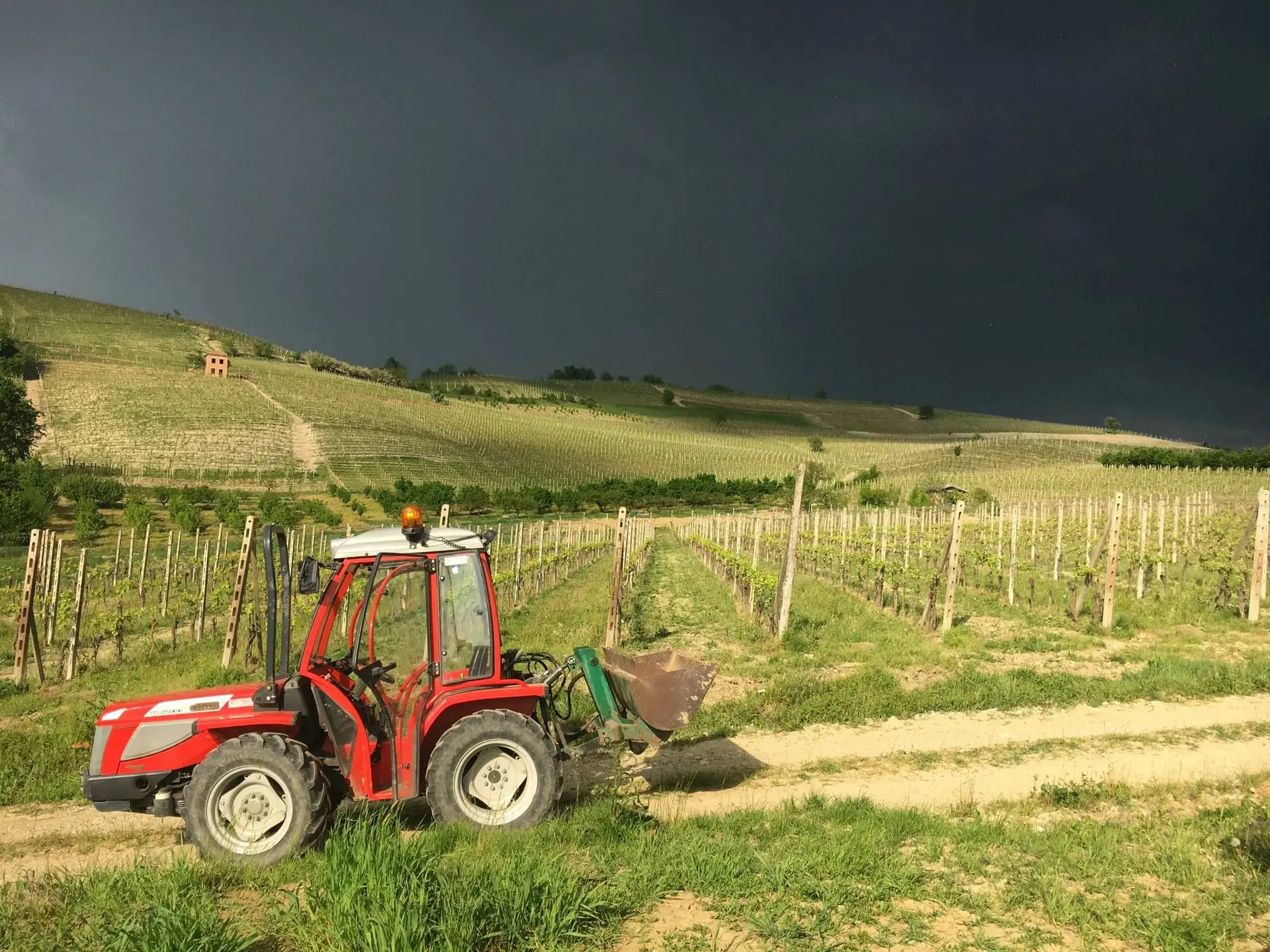
Some examples? Legumes are used to fix nitrogen in the soil and, in the case of already rich subsoils, mustard is planted to favor water penetration. Therefore, north-facing vines, which have more moisture, will require a different approach than south-facing ones, characterized by subsoil aridity.
The “cantun verd”
The “cantun verd” indicates the green corners, or the areas at the edges of the vineyards, which are very important spaces for breaking up the monoculture, creating biodiversity, and producing fruit, not only for personal use but also for animals. Various tree varieties can be planted here, such as peach, apricot, and apple trees.
These spaces are connected to each other by creating hedges and corridors, for example with rows of cypresses, which are essential for providing habitat for local fauna because they allow birds to move safely, offer shelter to earthworms from excessive heat, and provide refuge for small animals like leverets.
Where there are many woods, this is less necessary, but the company’s plots are located high up; since we practice organic and biodynamic farming, the wind is essential for plant health, which is why the philosophy of the cantun verd proves indispensable.
Furthermore, this project is a real protocol (complete with logo and registration) that Hilberg Pasquero wants to make available to fellow producers to help them manage their own green corners and choose the right plants to achieve the desired results.
Bioergodynamics
The mass selection of vines
Prices & Services
Different types of tastings to discover the winery and taste its wines
Guided tastings
Discovery → €30.00/person*
Guided tasting of 3 wines (from different grape varieties) with 3 pairings (generally, 3 selected cheeses from small producers) in 3 glasses of different shapes depending on the grape variety.
Immersive → €50.00/person**
Tasting of 9 wines (reserves and collections included) + pairing with 3 cheeses.
Vertical tastings by grape variety can be organized, but only for groups of more than 8 people.
Each guided tasting includes:
- Brief introduction to the area, explanation of context, geology, winemaking techniques, and family history
- Brief tour of the fermentation and maturation rooms, exploration of materials and philosophy
NB. In the case of vegan guests, prior notice is requested to best accommodate them. Groups of up to 20 people are accepted, but to best enjoy the tasting, the ideal would be not to exceed 10 people.
*Complimentary if each person purchases 2 cases of wine or if you are a club member or their guest (collectors who visit us at the winery and purchase regularly).
**Duration approx. 1.5/2 hours. The tasting will be complimentary if each person purchases 3 cases of wine or if you are a club member or their guest (collectors who visit us at the winery and purchase regularly).
Free tastings
Two alternatives to enjoy independently that do not include a guided tasting, to discover the winery and nature.
Aperitif → 15.00 €/person
- 3 glasses of wine (Vareij, Stella, Val Martin)
- 3 selected cheese pairings
- explanation regarding pairing to complete the tasting on your own
Snack → 25.00 €/person
- 1 bottle of your choice (from Ciabot delle Rose, Gris Pomaij, Vareij, Stella, Val Martin)
- Chalices
- 1 Robiola cheese from a small producer (or fresh artisanal cured meat) and hand-ironed, corn grain breadsticks
NB. In case of vegan guests, communication is required in order to best accommodate them.
Services
Accepted Payments

Hilberg Pasquero
Wine Producer in Priocca
Hilberg Pasquero
Wine Producer in Priocca
Hilberg Pasquero
Business Hours
14:30 → 18:30
Closing Day
Holidays
2 weeks between Christmas and New Year's Day