€28
per Person
Demarie
Nebbiolo vertical tasting
€28
per Person
3 wines + appetizers
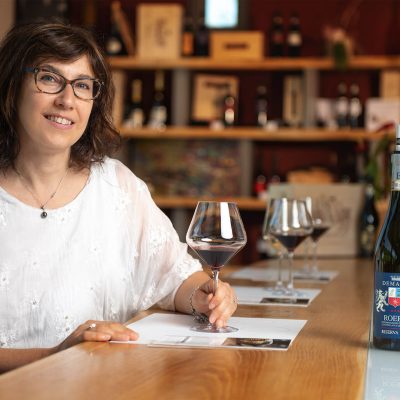
An educational and interactive tasting to grasp the differences between three different wines made from Nebbiolo grapes.
An educational and interactive winery tour focused on the Nebbiolo grape variety.
You have the chance to taste three wines produced from the same grape, but aged for different times and in different ways, to fully appreciate all their qualities and capture the different nuances.
The tasting is accompanied by excellent appetizers made from local products.
Nebbiolo-based wines
Demarie produces four types of wine based on Nebbiolo, typical of the region.
Nebbiolo d’Alba DOC
A wine with pronounced tannins, aged in large barrels for one year.
Roero DOCG Riserva
It is the company’s flagship, aged in used barriques, which give roundness to the wine without altering its flavors and aromas.
Barbaresco DOCG
Soft, round, and velvety, after three years of aging, it is ready to be enjoyed even when young, without the need for further aging.
Barolo DOCG
Produced in La Morra, it ages for at least four years, two in large barrels and two in the bottle. Its aromas are tertiary, herbaceous, and spicy, and its structure is significant.
Price
Duration
The winery
Sustainability

Demarie
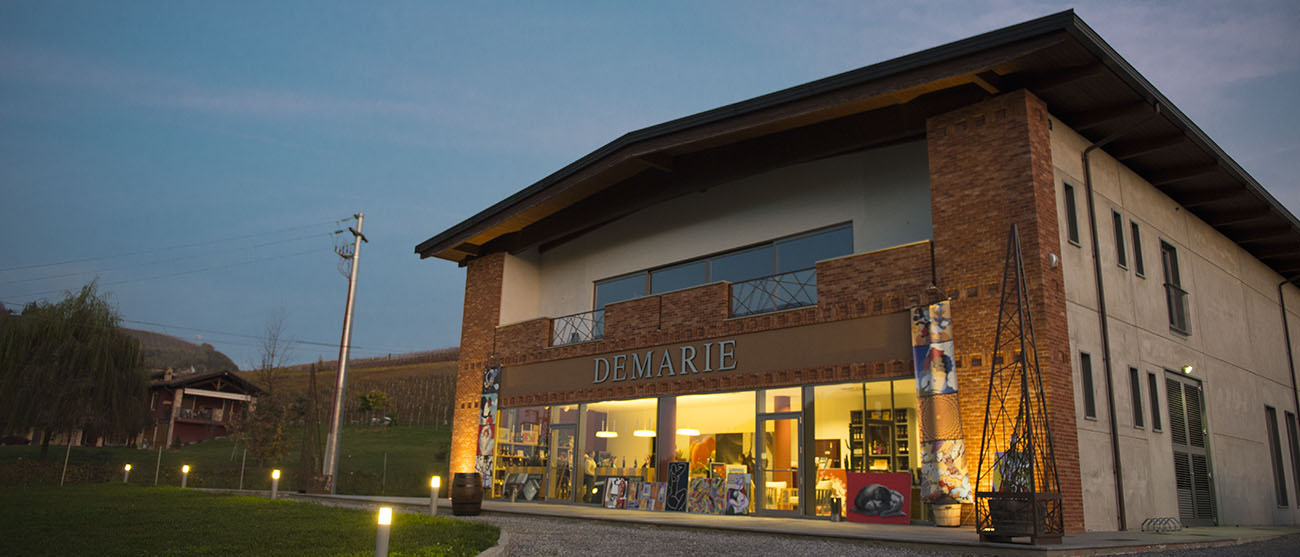
If the activity inspires you, discover more about the business behind it
The history of the winery begins with its founder Bartolomeo Demarie, who understood the potential of his land and chose to invest time and energy in the world of wine.
Over time, the encouraging results allowed the winery to grow, and his son Giovanni also became involved in the business.
The baton then passed to his grandsons Paolo and Aldo, the third generation of Demarie winemakers.
Today, they are the ones carrying out the work in the vineyard and the cellar, in order to pass on their knowledge to future generations.
Business
Other experiences
-
 1
1Demarie: Blind Tasting
4 wines + appetizers
A stimulating experience for smell and taste: black glasses hide the color of the wine, for an unbiased tasting.
-
 2
2Dolcetto Tour
3 Tastings
An itinerary designed to discover Dolcetto through three villages that symbolize its production
-
 3
3Tasting at Ugo Balocco: The Four Superiors
Tasting of 4 flagship wines from the winery + samples of typical local products
The wonderful Monferrato region and the family hospitality you feel in this small winery provide the backdrop for discovering the area's most representative wines
-
 4
4Negro Giuseppe: visit and Gran Monsù tasting
Tasting of 6 wines + 1 grappa
An important tasting that allows you to discover the wines from the production to taste in the dedicated room or on the beautiful panoramic terrace
-
 5
5Wine tasting on the Castagnole Lanze tower with Bel Sit
tasting of 4 wines + typical products
The tasting on the tower is the most complete offered by the Bel Sit winery and takes place in the heart of the village: an experience that links the wines to their land of origin
-
") 6
6Nizza DOCG: The Heart of Barbera
Tour + Tasting of 4 wines
A tour dedicated to discovering the historic Coppo Cellars, their history, and production. The experience includes a final tasting with an exclusive focus on Nizza DOCG


Demarie: Nebbiolo vertical tasting
3 wines + appetizers / €28 / per Person
Demarie: Nebbiolo vertical tasting
3 wines + appetizers / €28 / per Person